
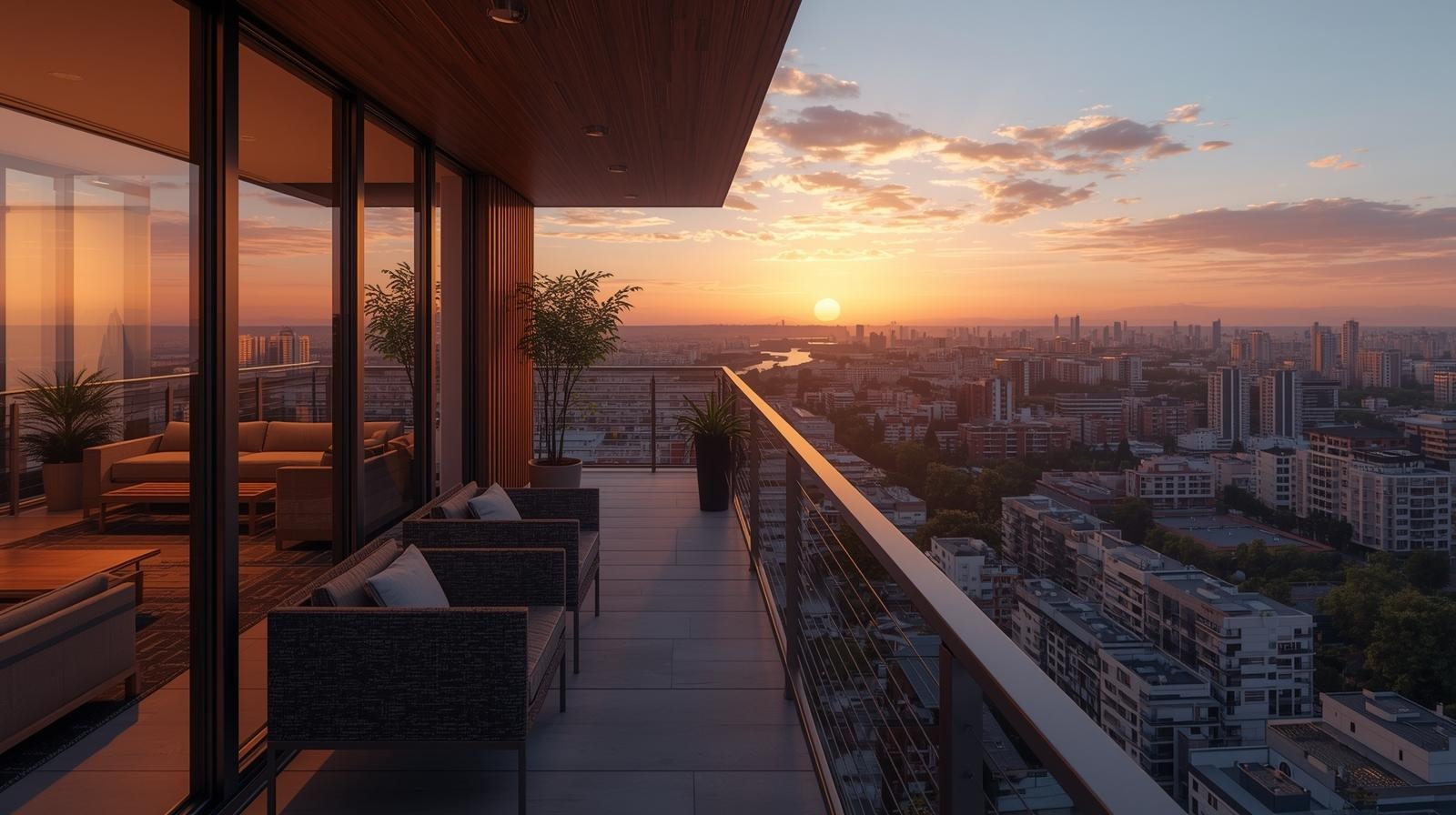
Balconies are one of the most loved features of any home or commercial building. They offer fresh air, outdoor space, and aesthetic appeal. But at the same time, balconies are constantly exposed to harsh weather conditions—sun, rain, wind, humidity, and temperature changes. Over time, this exposure can lead to serious structural and safety issues. That’s why regular balcony inspection and timely repair are not just optional maintenance tasks; they are essential for safety and long-term durability.
Why Balcony Inspection Is Important
A balcony may look fine on the surface, but hidden damage can develop underneath. Cracks in concrete, corrosion of steel reinforcement, water seepage, loose railings, or weakened joints are common problems that often go unnoticed. If left unchecked, these issues can worsen and pose serious risks, including structural failure or falling debris.
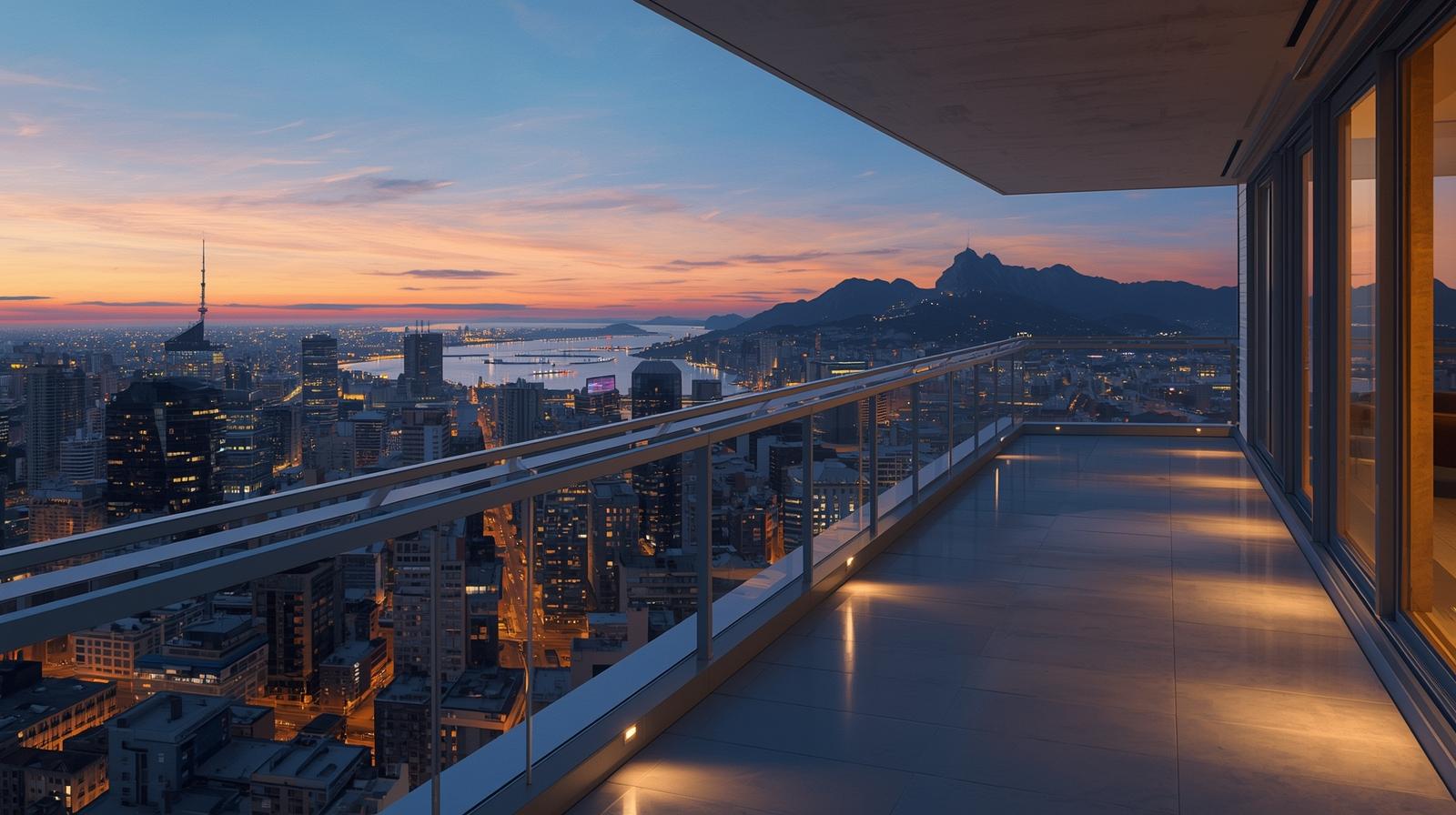
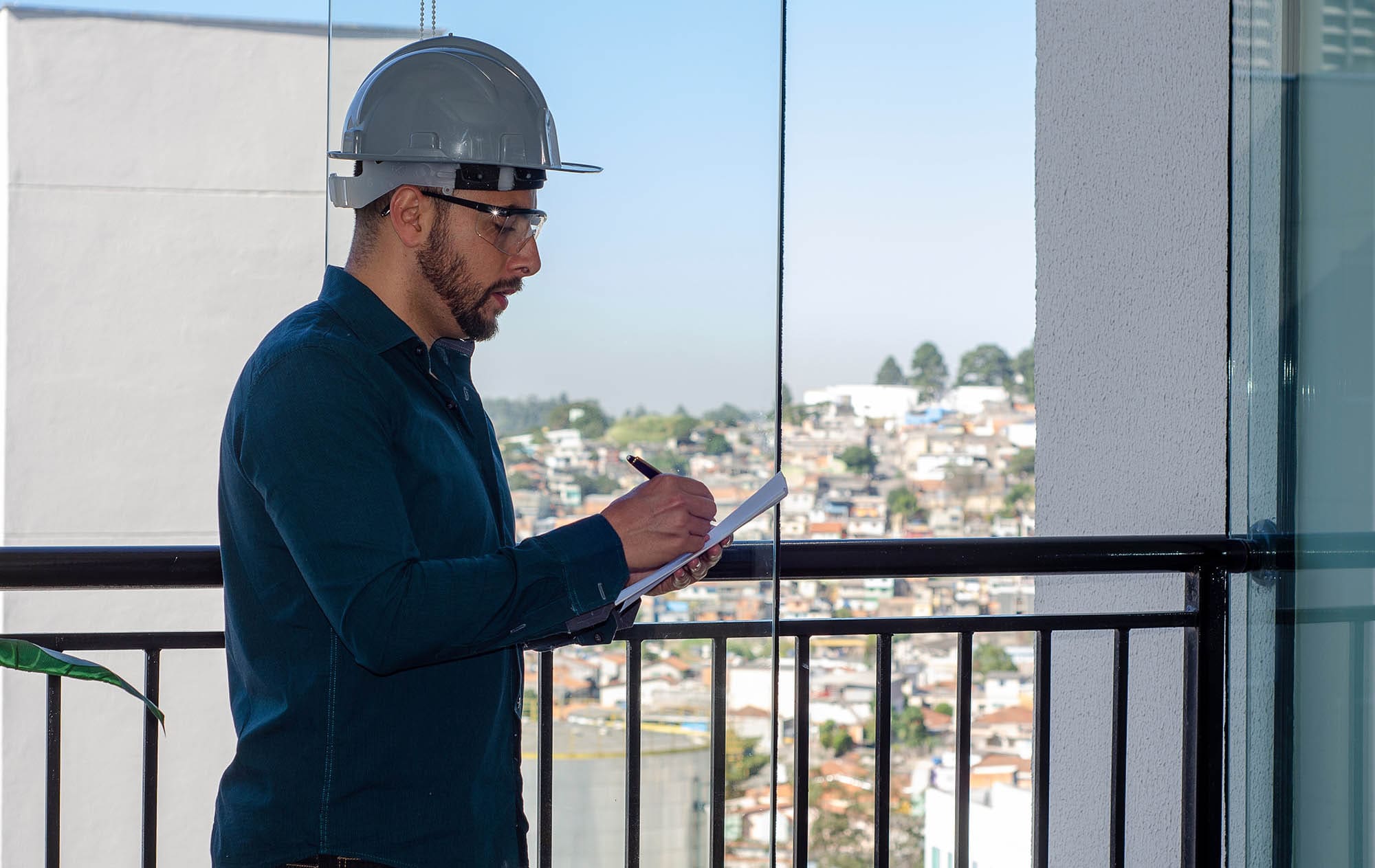
Regular inspections help identify early warning signs before they turn into costly repairs or safety hazards. In many cases, inspections are also required for older buildings to meet safety regulations and insurance requirements.
Common Balcony Problems
Some of the most frequent issues found during balcony inspections include:
- Concrete cracks and spalling caused by moisture penetration and ageing
- Rusting of reinforcement steel, which weakens the structure
- Water leakage and poor waterproofing, leading to dampness and mold
- Loose or damaged railings, increasing the risk of accidents
- Uneven or deteriorated flooring tiles
These problems may start small, but they can compromise the entire balcony structure if ignored.
Balcony Repair Solutions
Once issues are identified, repairs should be carried out promptly by experienced professionals. Depending on the extent of damage, balcony repair may include:
- Crack sealing and concrete patch repair
- Rust treatment and reinforcement strengthening
- Waterproofing membranes or coatings to prevent leakage
- Replacement or reinforcement of railings and support elements
- Re-tiling or resurfacing damaged floors
Modern repair techniques and materials ensure that repairs are durable, weather-resistant, and minimally disruptive to occupants.
How Often Should Balconies Be Inspected?
For residential buildings, a balcony inspection every 3–5 years is generally recommended. Older buildings, coastal properties, or structures exposed to heavy rainfall may require more frequent inspections. Any visible signs such as cracks, water stains, or loose fittings should trigger an immediate inspection, regardless of schedule.
The Cost of Neglect
Ignoring balcony maintenance can be far more expensive in the long run. What could have been a simple repair may escalate into major structural rehabilitation or, in worst cases, lead to accidents and legal liabilities. Regular inspection and repair protect not only the building but also the safety of occupants and pedestrians below.
Conclusion
Balcony inspection and repair are critical aspects of building maintenance that should never be overlooked. Regular checks, early detection of problems, and timely repairs can significantly extend the life of your balcony, enhance safety, and preserve property value. Investing in preventive maintenance today can save you from serious risks and costly repairs tomorrow.