
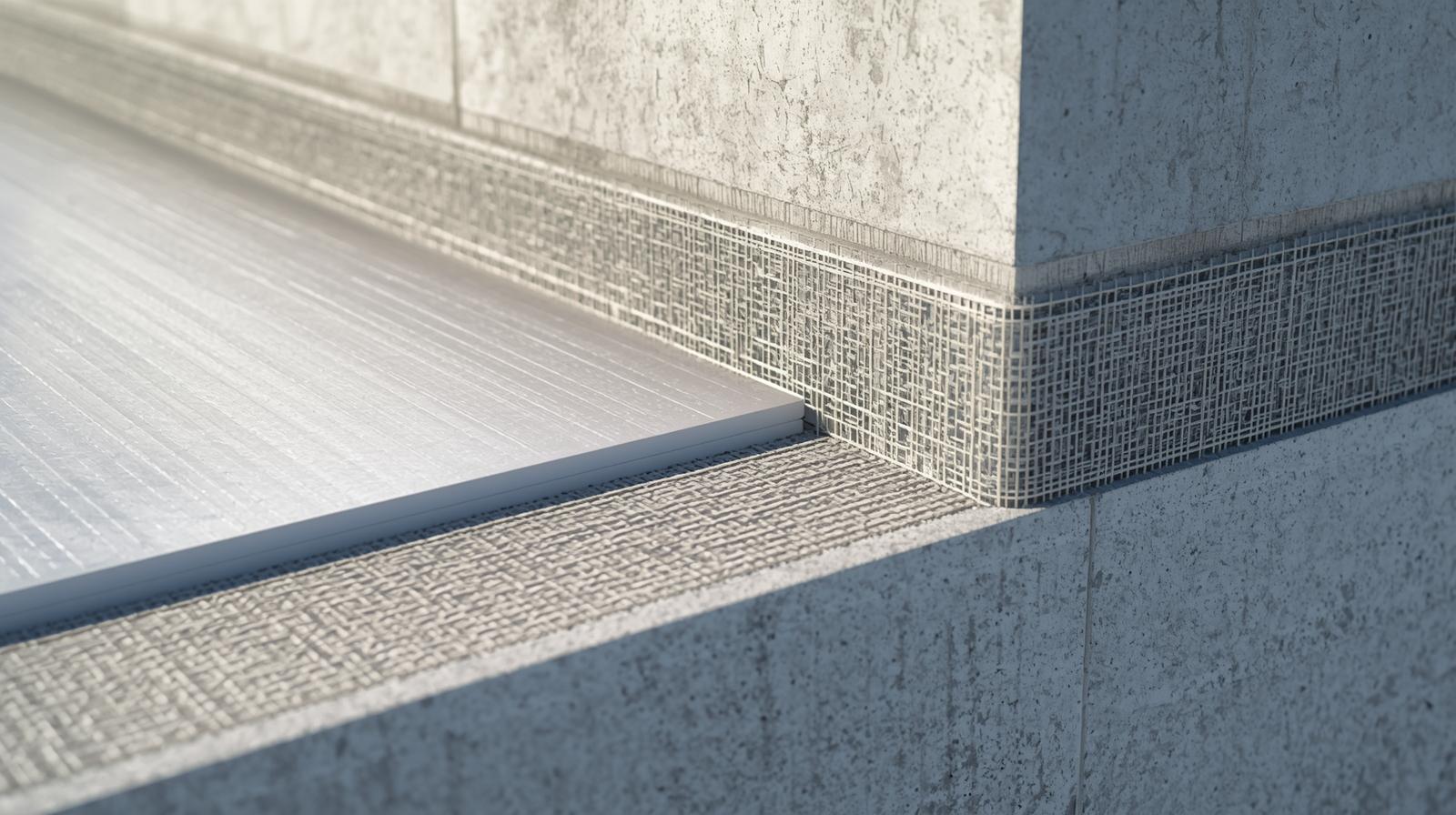
As buildings and infrastructure age, the need for effective strengthening and rehabilitation becomes increasingly important. Traditional strengthening methods often involve heavy construction, increased dead loads, and long downtime. Fiber Reinforced Polymer (FRP) strengthening has emerged as a modern, efficient, and highly effective solution for enhancing the strength and durability of existing structures without major alterations.
What Is FRP Strengthening?
FRP strengthening involves the use of high-strength fibers—such as carbon, glass, or aramid—embedded in a polymer matrix. These materials are externally bonded or wrapped around structural elements like beams, columns, slabs, and walls to improve their load-carrying capacity. Due to their lightweight nature and exceptional tensile strength, FRP systems provide significant reinforcement without adding excessive weight to the structure.
Why Structures Need Strengthening
Structures may require strengthening for various reasons, including ageing, design deficiencies, increased load requirements, change in building usage, seismic upgrades, or damage caused by corrosion and environmental exposure. Cracks, deflection, and reduced load capacity are common indicators that structural strengthening is necessary. FRP strengthening addresses these issues efficiently while minimizing disruption to occupants.
Key Advantages of FRP Strengthening
One of the biggest advantages of FRP systems is their high strength-to-weight ratio. FRP materials are corrosion-resistant, making them ideal for harsh environments such as coastal areas or industrial facilities. Installation is relatively quick and does not require heavy machinery, reducing downtime and labor costs. Additionally, FRP strengthening is highly versatile. It can be applied to concrete, steel, masonry, and even timber structures. The system can be customized for flexural strengthening, shear strengthening, confinement of columns, or seismic retrofitting.
Common Applications of FRP Systems
FRP strengthening is widely used in residential, commercial, and infrastructure projects. Typical applications include strengthening of beams and slabs to increase load capacity, column wrapping for improved confinement and ductility, bridge rehabilitation, and seismic retrofitting of buildings. It is also effective in repairing damage caused by corrosion, fire, or impact loads.
Installation and Performance
The effectiveness of FRP strengthening depends on proper surface preparation, correct material selection, and skilled installation. The process generally involves cleaning and roughening the surface, applying adhesive resins, and bonding or wrapping the FRP materials as per design requirements. Once cured, the FRP system acts integrally with the existing structure, significantly enhancing its performance.
Long-Term Benefits
FRP strengthening not only improves structural capacity but also extends the service life of buildings and infrastructure. It offers a cost-effective alternative to demolition or major reconstruction and helps preserve existing assets. With minimal maintenance requirements and long-term durability, FRP systems are increasingly becoming the preferred choice for structural rehabilitation projects.
Conclusion
FRP strengthening represents a smart, modern approach to structural reinforcement. Its lightweight, durable, and high-performance characteristics make it an ideal solution for upgrading ageing or underperforming structures. By adopting FRP strengthening, property owners and engineers can ensure enhanced safety, improved performance, and long-term sustainability of their structures.