
Introduction
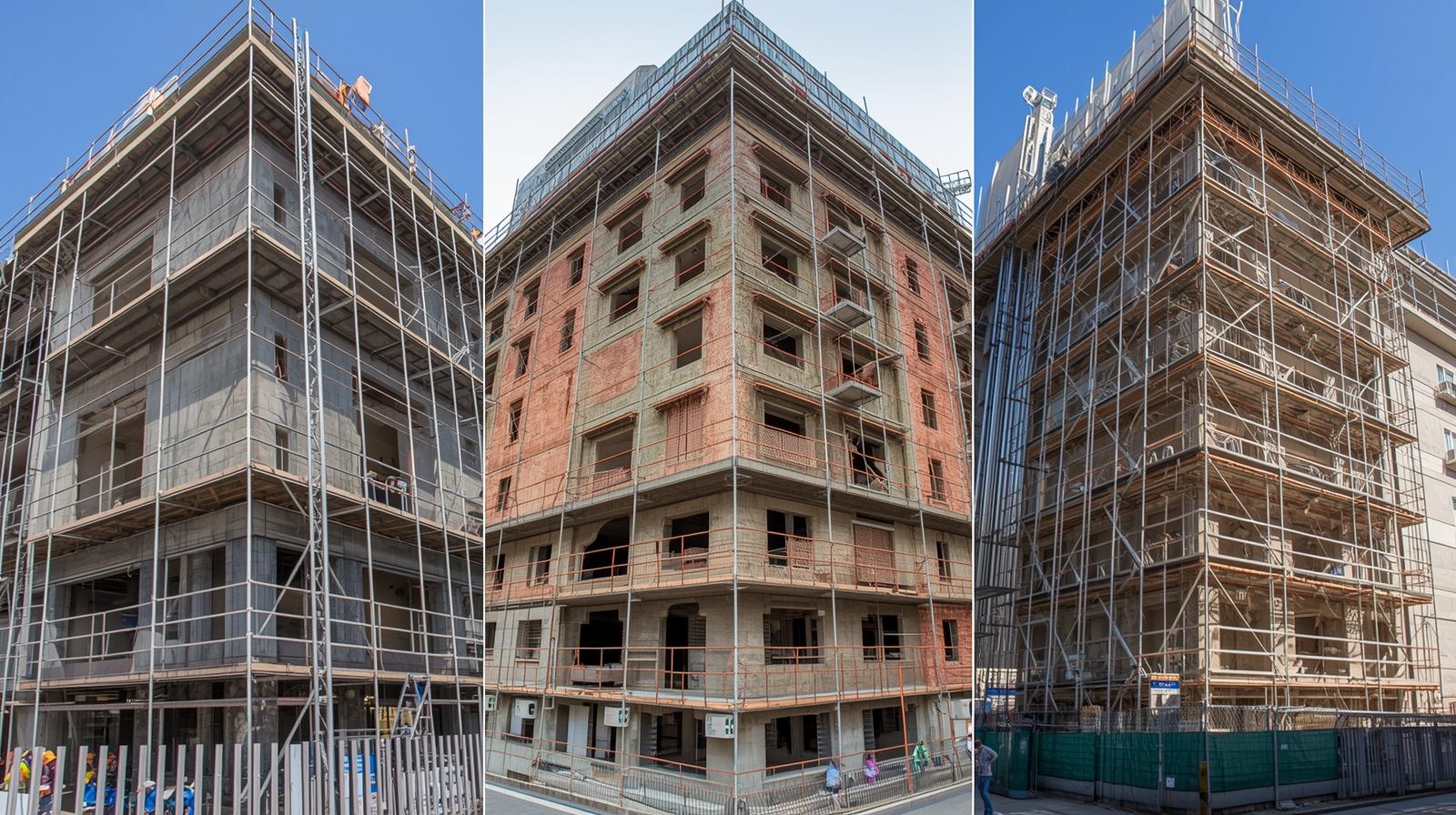
California’s seismic activity makes structural safety a top priority for property owners, builders, and municipalities. Seismic retrofitting is the process of strengthening existing buildings to better withstand earthquake forces, reduce damage, and protect occupants. At SME Engineering & Construction, we specialize in seismic retrofit construction, structural strengthening, and compliance with California mandates such as Soft-Story Retrofit Ordinances.
What Is Seismic Retrofitting?
Seismic retrofitting refers to upgrading an existing structure to improve its resistance toseismic loads. Many older buildings—especially those built before modern seismic codes lacksufficient lateral strength, ductility, and load paths.
Key Objectives:
- Increase structural stability during earthquakes
- Prevent collapse or catastrophic failure
- Reduce repair costs and downtime
- Meet current building code requirements
Common Seismic Retrofitting Terminology
Understanding key terms helps property owners make informed decisions:
- Soft Story
A structure with a weak or flexible ground floor (often with parking or large openings) that isprone to collapse during seismic events.
- Lateral Load
Horizontal forces applied to a building during an earthquake.
- Shear Wall
A vertical structural element designed to resist lateral forces and prevent excessive movement.
- Moment Frame
A system of beams and columns rigidly connected to resist bending and lateral loads.
- Diaphragm
Floors or roofs that transfer lateral forces to vertical resisting elements.
- Load Path
The continuous path through which forces are transferred to the foundation.
Seismic Retrofit Methods Used in California
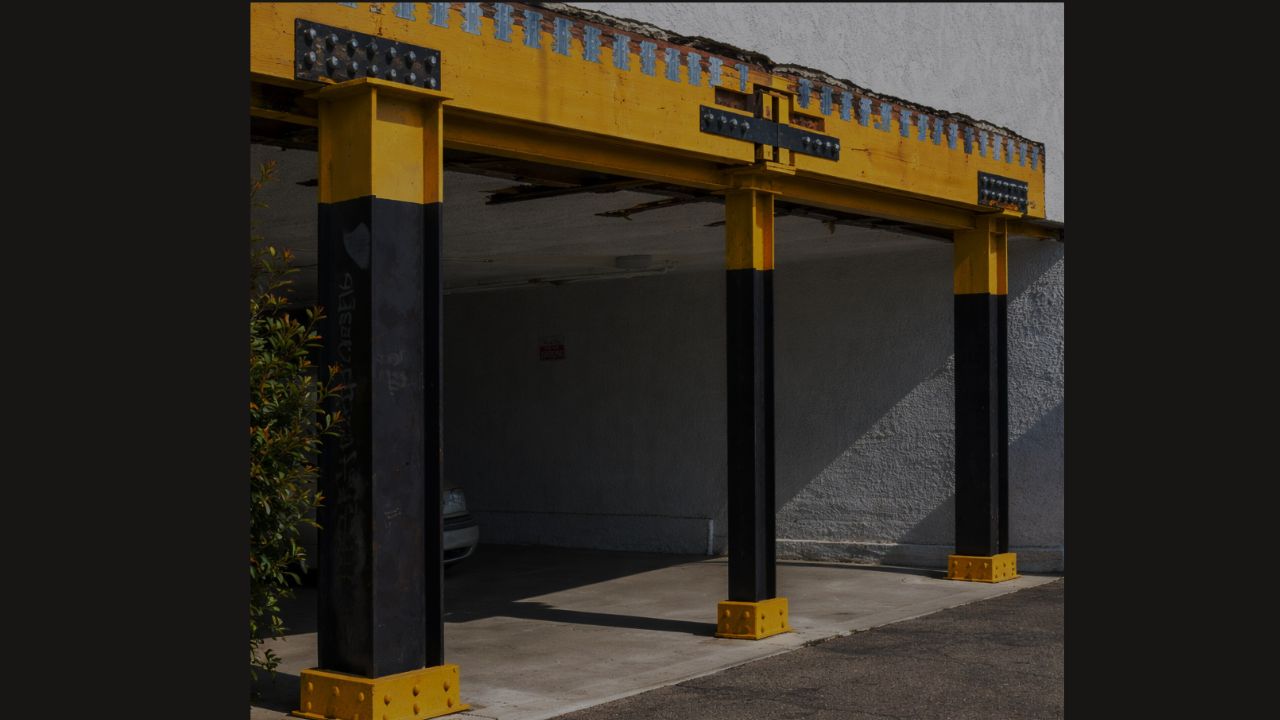
- Soft-Story Retrofit
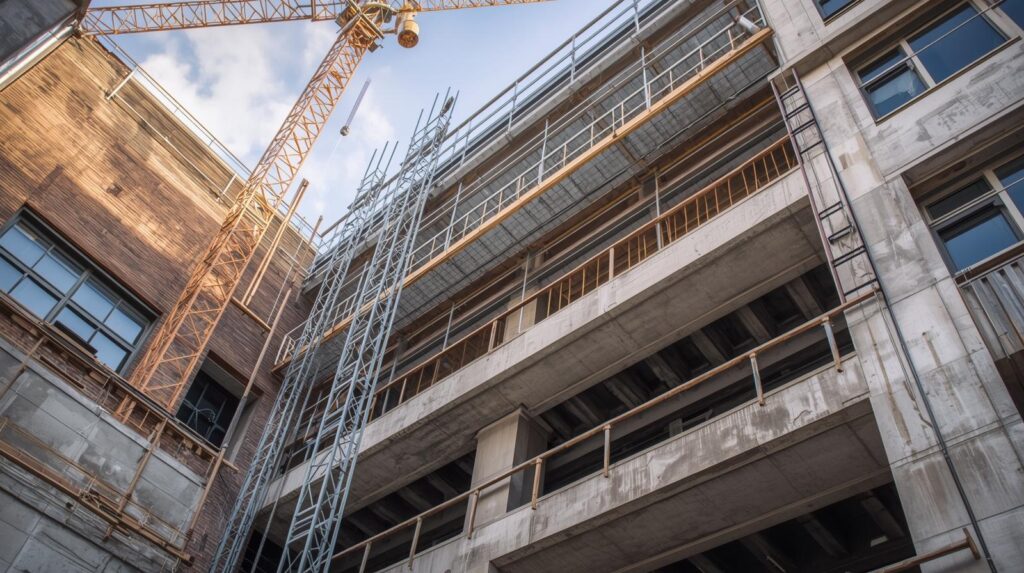
Soft-story retrofitting typically involves the installation of steel moment frames at ground-level openings such as parking garages or commercial storefronts. These systems significantlystrengthen weak first-story conditions and are commonly required under Los Angeles retrofitordinances.
- Shear Wall Installation
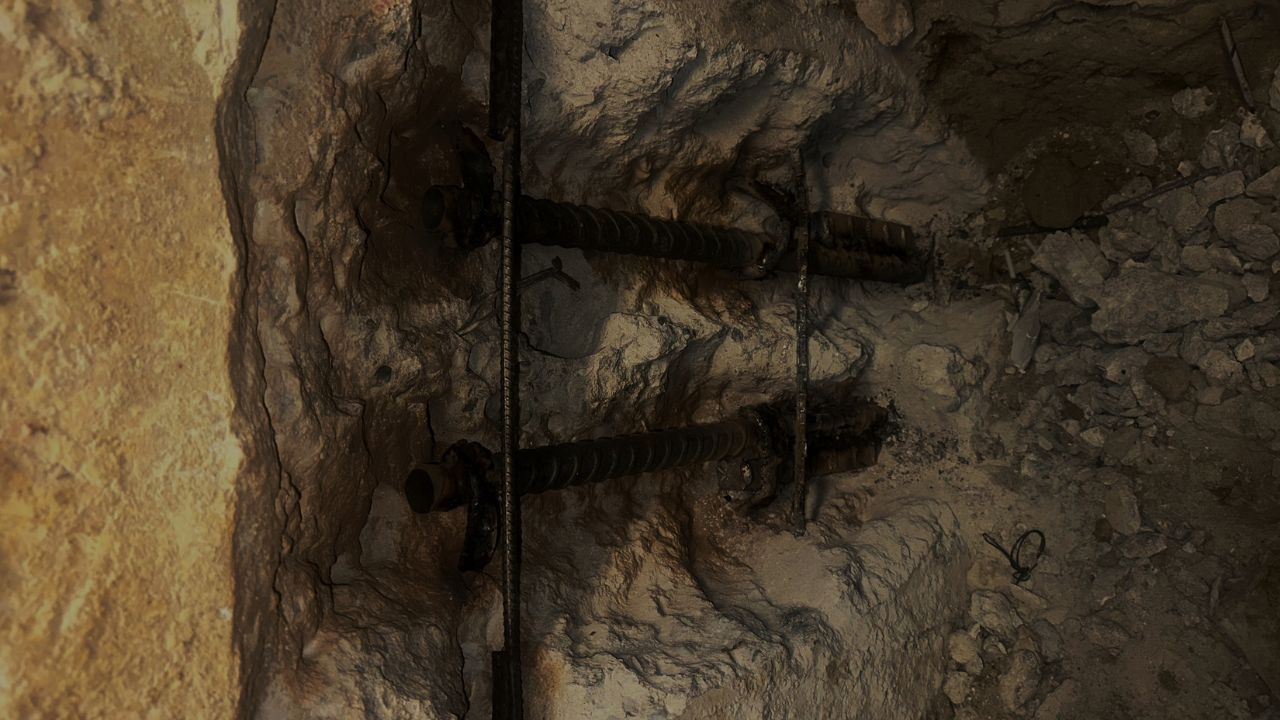
Shear walls constructed from plywood, reinforced concrete, or masonry are introduced toimprove a building’s lateral resistance. These elements help control structural drift andprovide a reliable load path during seismic events.
- Foundation Bolting & Cripple Wall Bracing
This method strengthens the connection between the building and its foundation, preventingsliding, uplift, or overturning during an earthquake. It is especially critical for older wood-frame structures.
- FRP (Fiber-Reinforced Polymer) Strengthening
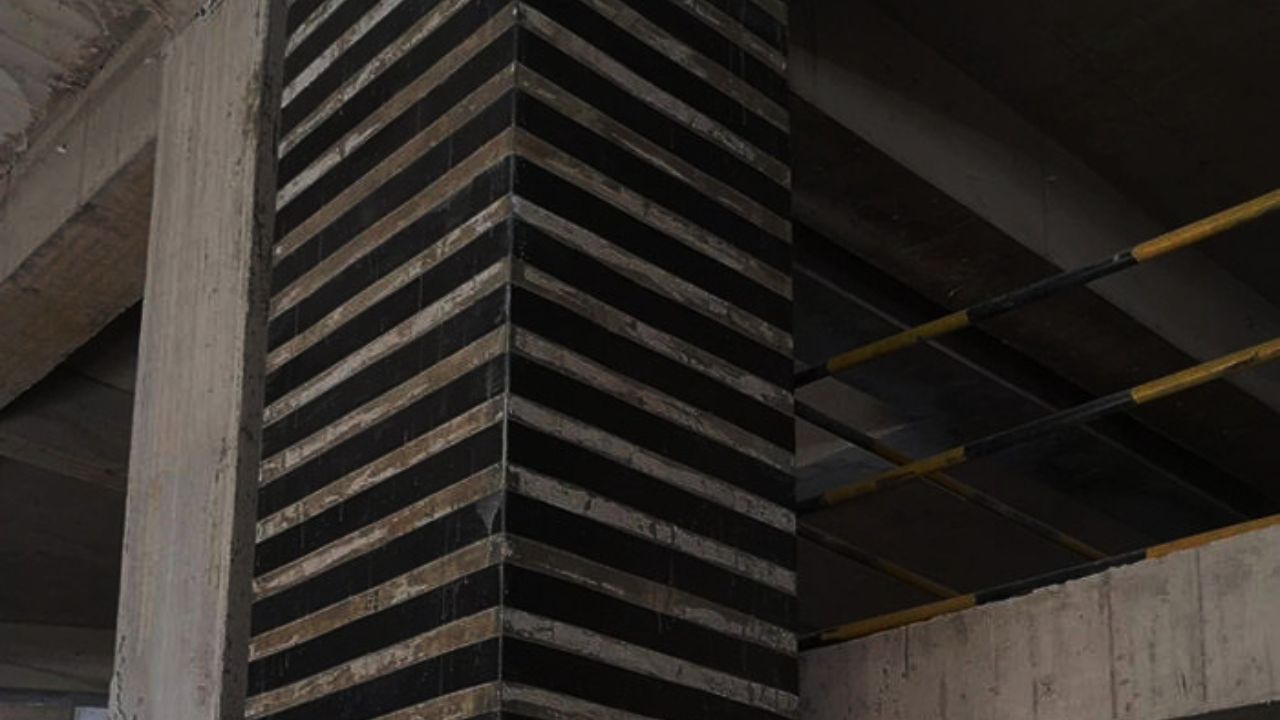
FRP systems utilize carbon fiber wraps applied to columns, beams, and slabs to enhancestrength and ductility. This lightweight and highly effective solution is particularly useful fordeficient or corrosion-damaged structural elements.
Advanced Technologies in Seismic Retrofitting
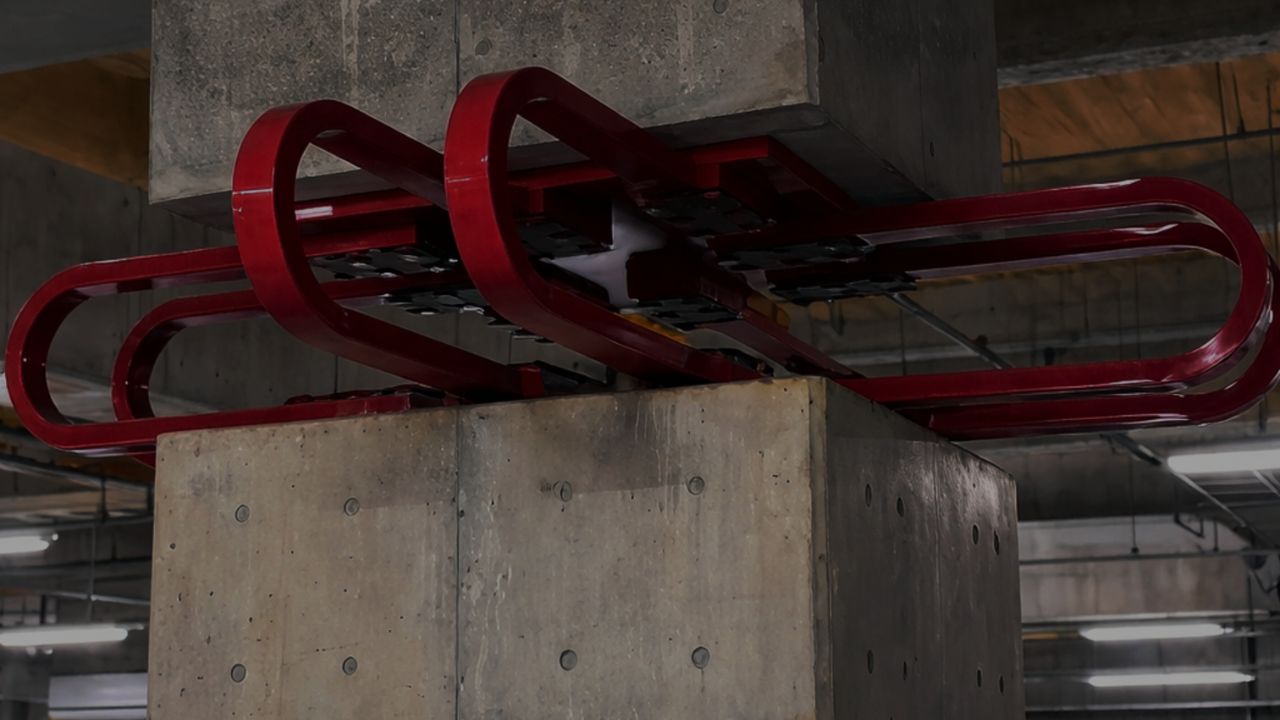
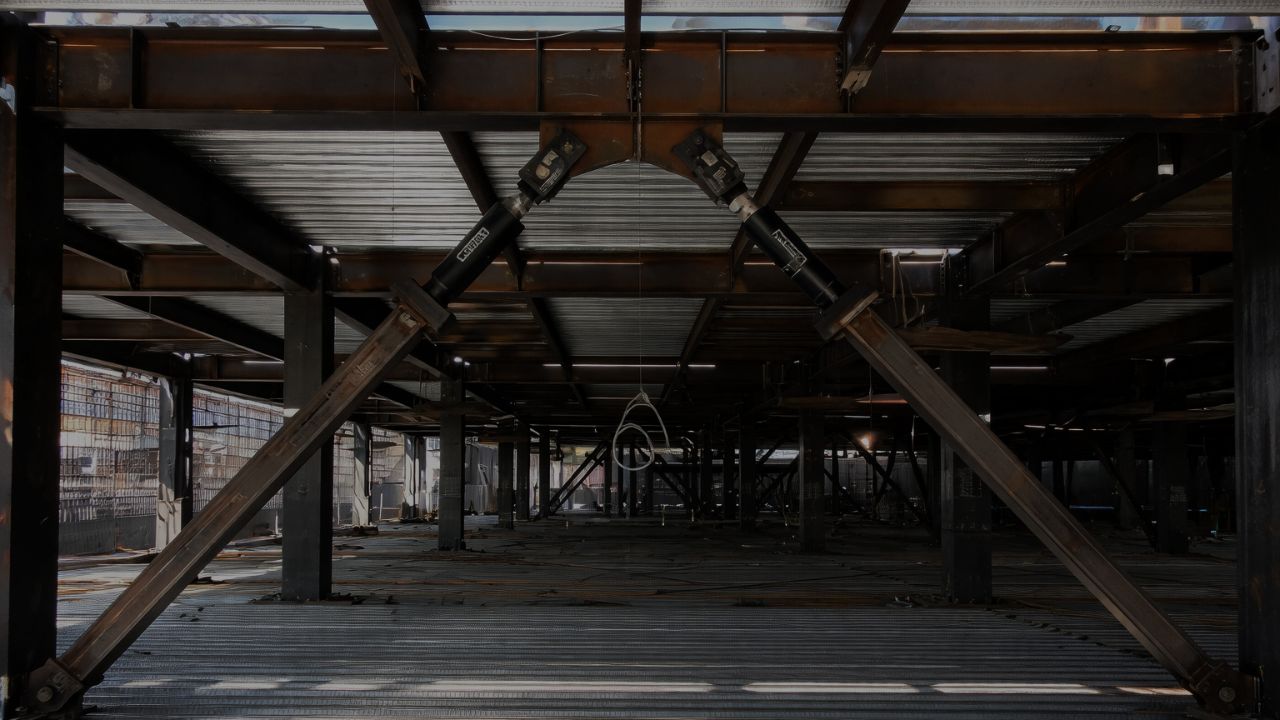
Modern seismic retrofitting has evolved beyond conventional strengthening techniques,incorporating advanced technologies that significantly improve building performance.
Base isolation systems work by decoupling the structure from ground motion, reducing thetransfer of seismic forces into the building.
Seismic dampers act similarly to shock absorbers, dissipating earthquake energy andminimizing structural damage.
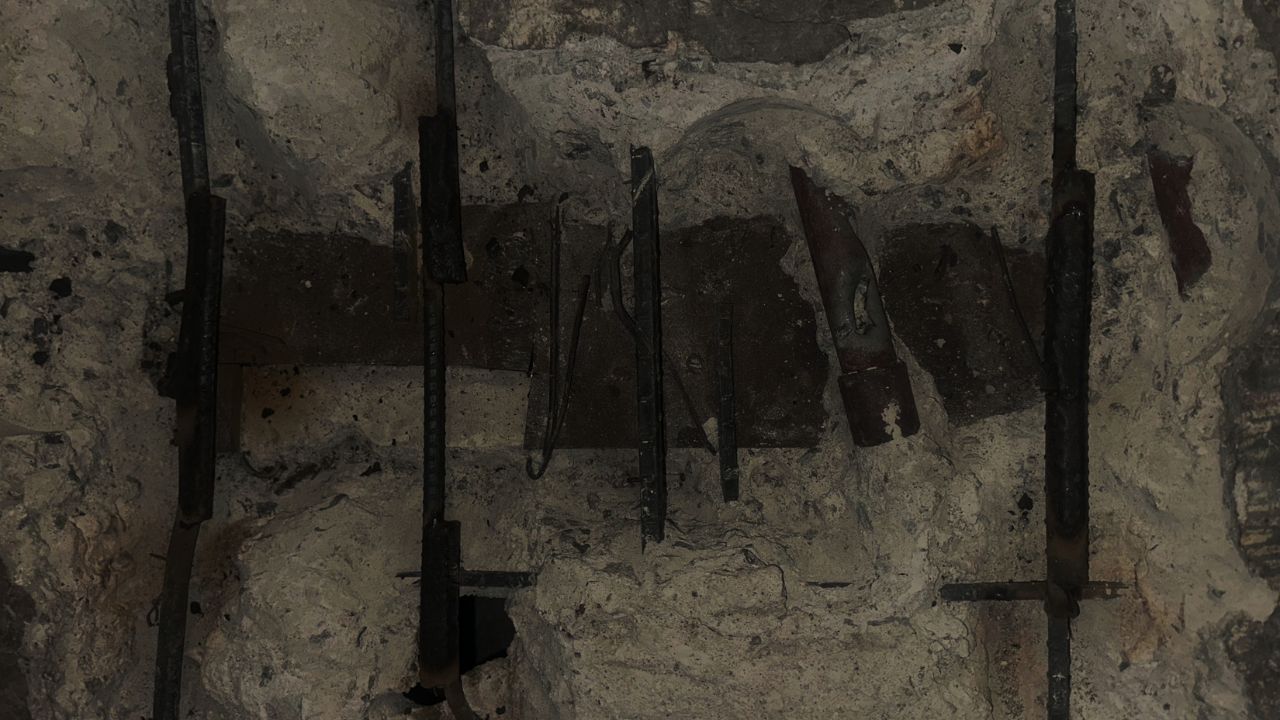
Structural Health Monitoring (SHM) systems use embedded sensors to track real-timebuilding behavior, allowing engineers to assess performance during and after seismic events.In parallel, Non-Destructive Testing (NDT) methods such as ground-penetrating radar (GPR),ultrasonic testing, and impact echo enable engineers to evaluate internal structuralconditions without causing damage.
Why Seismic Retrofitting Is Critical in California
California contains a large inventory of vulnerable structures, particularly older buildingsconstructed prior to modern seismic codes. These include wood-frame apartment buildingswith soft-story conditions, non-ductile concrete structures, and aging masonry buildings.
Without proper retrofitting, these structures are at significant risk of severe damage orcollapse during an earthquake. Beyond safety concerns, failure to retrofit can result insubstantial financial loss, legal liability, and decreased property value. Proactive seismicstrengthening is therefore essential for both risk mitigation and long-term asset protection.
How SME Engineering & Construction Can Help
SME Engineering & Construction provides comprehensive seismic retrofit solutions tailored toeach project’s structural and regulatory requirements. Our services include structuralevaluations, Tier 1 through Tier 3 assessments, retrofit design coordination, and fullconstruction implementation. We also integrate advanced testing and verification methods,including non-destructive evaluation, to ensure quality and compliance. Our team combinesengineering expertise with hands-on construction experience, delivering efficient, code-compliant, and cost-effective retrofit solutions throughout California.
Conclusion
Seismic retrofitting is no longer optional; it is a critical investment in safety, compliance, and long-term performance. With the availability of advanced solutions such as FRP strengthening, base isolation, and structural monitoring systems, property owners now have access to highly effective and reliable retrofit strategies. For building owners and managers in California, the time to evaluate and strengthen existing structures is now.
Get a Seismic Retrofit Consultation
Contact SME Engineering & Construction today to schedule an evaluation and receive a customized seismic retrofit strategy tailored to your property.