
Introduction
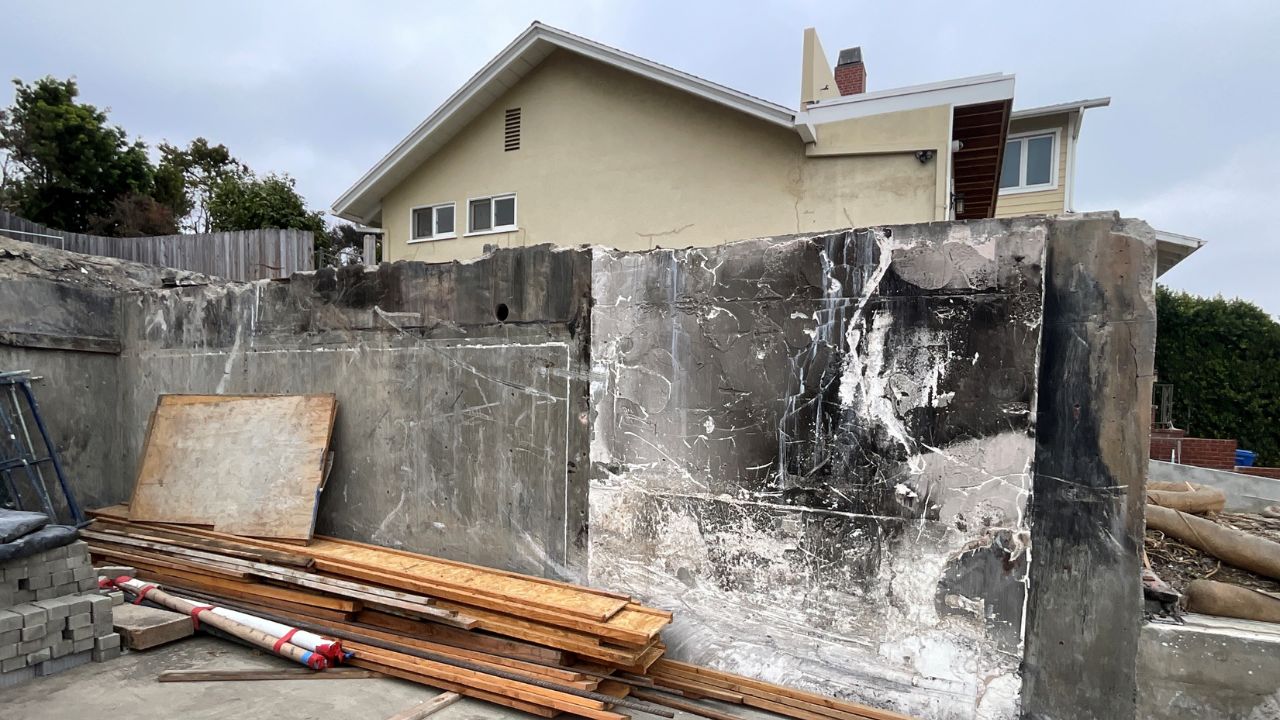
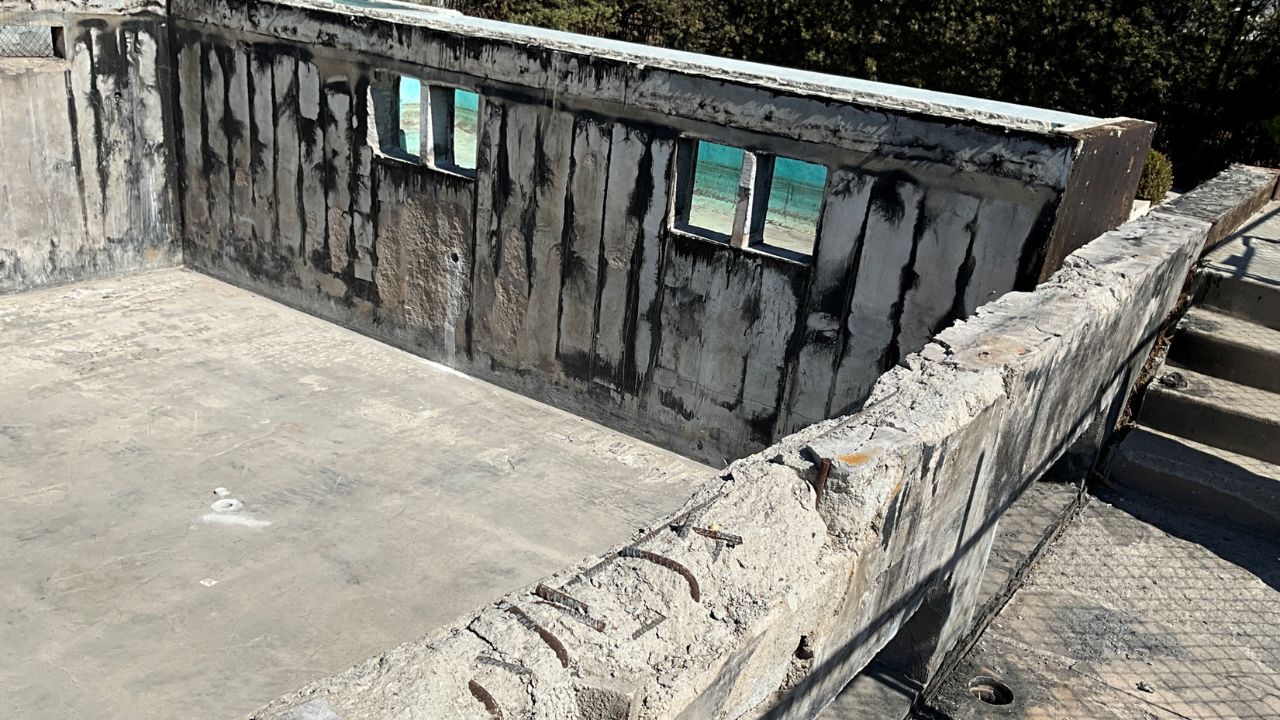
Post-fire structural repair in California requires a construction-focused approach that goesbeyond basic patchwork. In Los Angeles and across Southern California, buildings must berestored while meeting seismic requirements, durability expectations, and local buildingcodes. Modern construction methods allow fire-damaged structures to be repaired,strengthened, and upgraded without full demolition—saving time and cost while improvinglong-term performance.
Challenges in Post-Fire Construction Projects
Advancements in construction methods have significantly improved how fire-damaged
- Internal weakening of concrete and structural elements
- Loss of bond between concrete and reinforcement
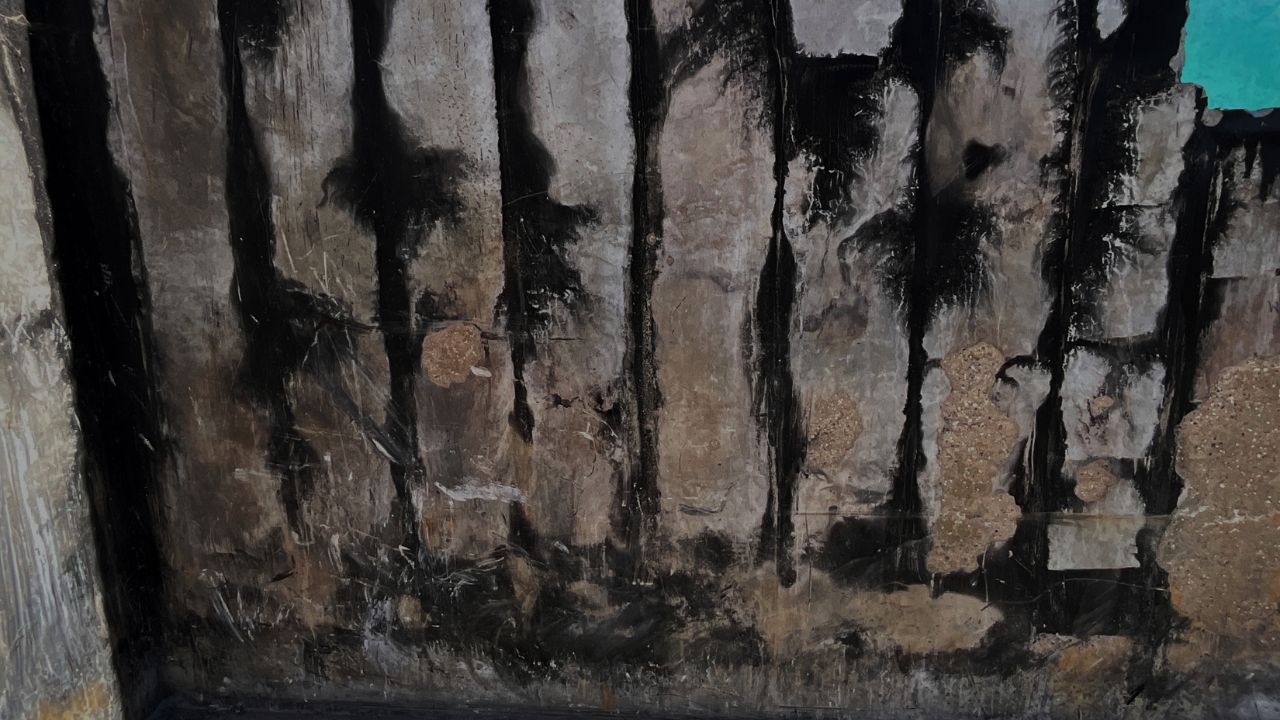
- Hidden deterioration not visible at the surface
- Water exposure from firefighting efforts
- Integration of new materials with existing structure
Advanced Construction Methods for Post-Fire Structural Repair
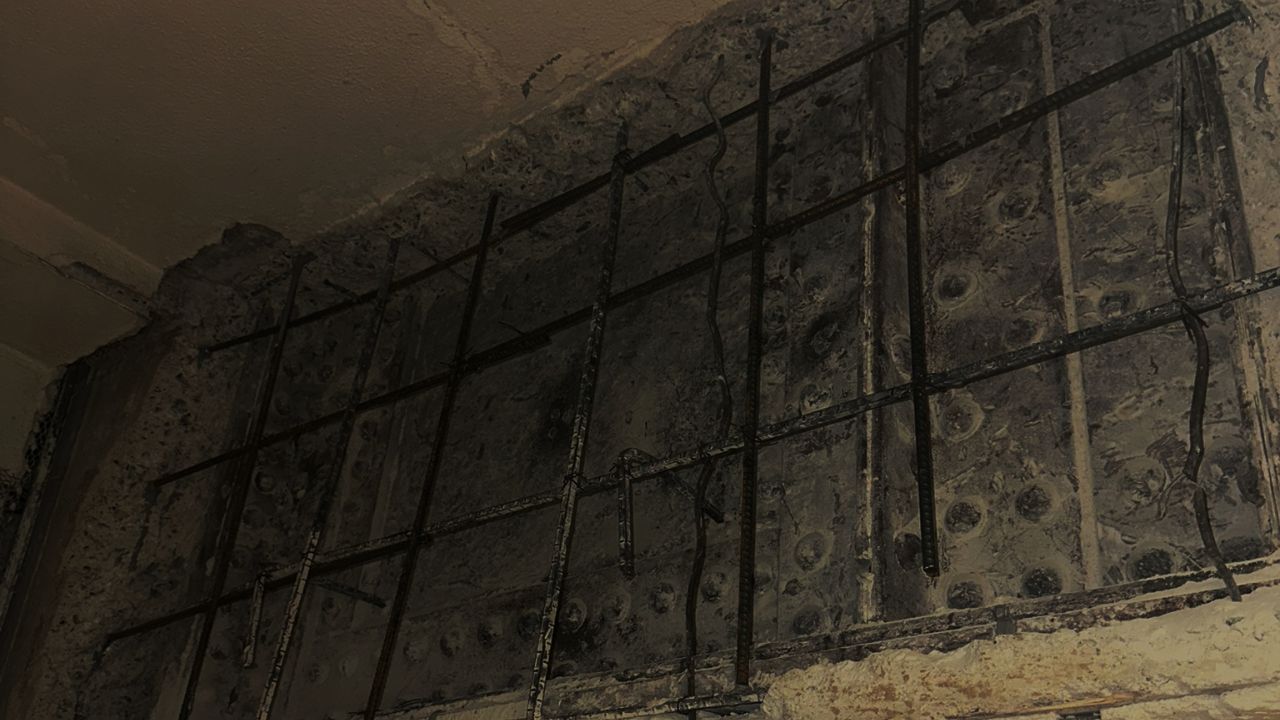
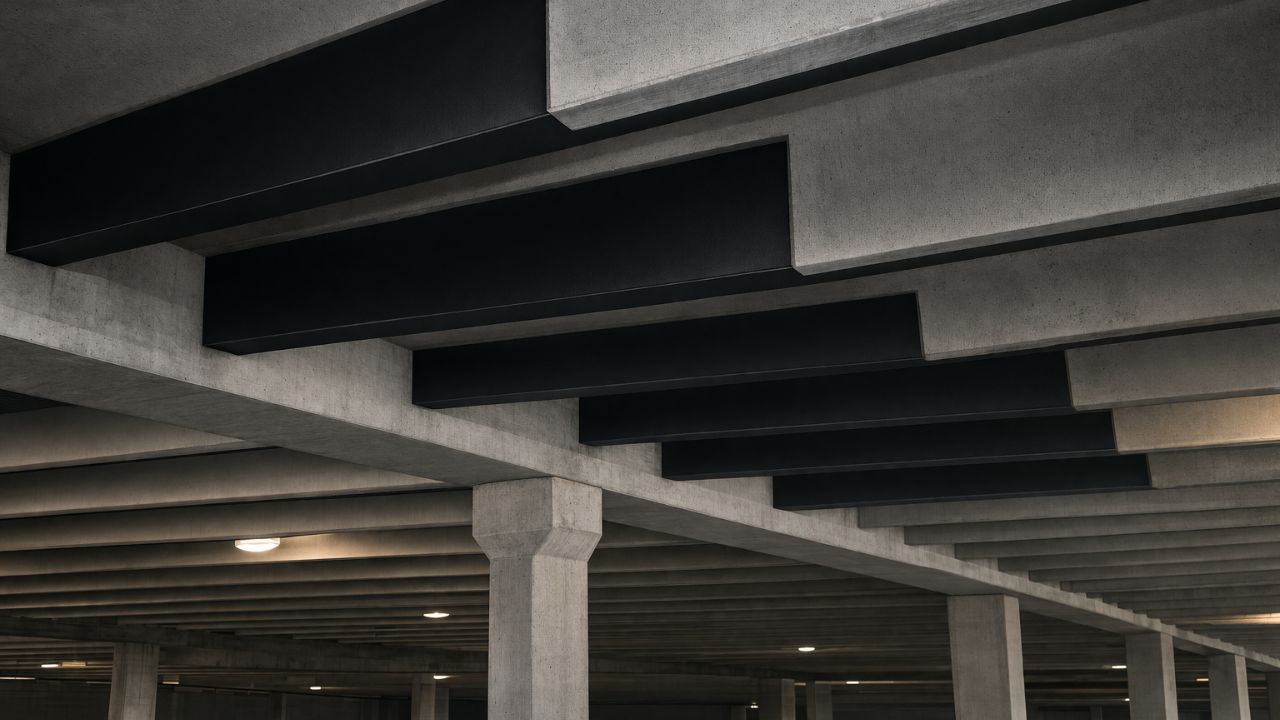
Fiber-Reinforced Polymer (FRP) Strengthening
FRP systems use carbon or glass fibers bonded to structural members to restore or enhance strength.
Applications
- Strengthening fire-damaged beams and slabs
- Column confinement and load capacity restoration
- Seismic upgrades in California building
Construction Advantages
- Lightweight with high tensile strength
- Minimal demolition required
- Rapid installation
- Ideal for Los Angeles seismic retrofits
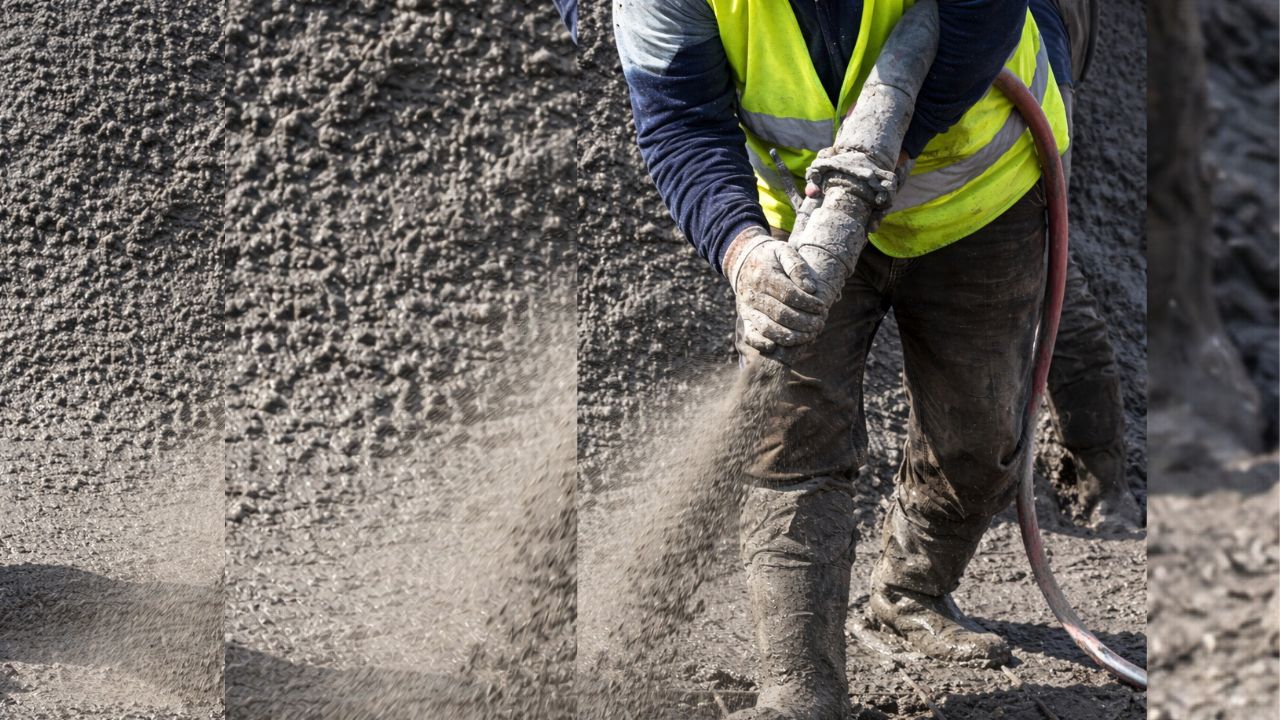
Shotcrete (Sprayed Concrete) Strengthening
Shotcrete is applied pneumatically to rebuild or strengthen damaged concrete sections.
Applications
- Structural wall and column repair
- Rebuilding spalled or deteriorated areas
- Increasing thickness of structural members
Construction Advantages
- Strong bond with existing substrate
- Efficient for irregular surfaces
- Reduces need for full formwork
Concrete Removal and Recasting
This method involves removing damaged concrete and rebuilding structural elements usingnew concrete.
Applications
- Severely damaged beams, slabs, and columns
- Full-depth structural repairs
- Replacement of fire-compromised sections
Construction Advantages
- Restores full structural capacity
- Compatible with existing systems
- Long-term durable solution

Steel Jacketing and Plate Bonding
Steel systems are added to reinforce and stabilize structural elements.
Applications
- Column confinement
- Beam strengthening
- Reinforcement replacement
Construction Advantages
- High load-bearing capacity
- Reliable for heavily damaged structures
- Common in seismic strengthening projects in California

Post-Tensioning Strengthening Systems
Post-tensioning introduces compressive forces to improve structural performance.
Applications
- Strengthening slabs and beams
- Reducing cracking and deflection
- Enhancing load capacity
Construction Advantages
- Improves structural efficiency
- Extends service life
- Suitable for large-span elements

Epoxy Injection and Crack Repair Systems
Cracks caused by thermal stress or structural movement can be repaired using injection
systems.
Applications
- Structural crack restoration
- Sealing moisture pathways
- Restoring continuity in concrete
Construction Advantages
- Minimal demolition
- Fast and targeted repair
- Cost-effective for localized damage

Polymer-Modified Repair Mortars and Overlays
Modern repair mortars provide high bond strength and durability.
Applications
- Surface restoration
- Patch repairs
- Protective overlays
Construction Advantages
- Strong adhesion
- Improved resistance to environmental exposure
- Fast curing times

Protective Coatings and Waterproofing Systems
Post-fire construction often includes protective systems to prevent future deterioration.
Applications
- Surface restoration
- Patch repairs
- Protective overlays
Construction Advantages
- Strong adhesion
- Improved resistance to environmental exposure
- Fast curing times

Polymer-Modified Repair Mortars and Overlays
Modern repair mortars provide high bond strength and durability.
Applications
- Surface restoration
- Patch repairs
- Protective overlays
Construction Advantages
- Strong adhesion
- Improved resistance to environmental exposure
- Fast curing times
Selecting the Right Construction Method in California
The appropriate repair strategy depends on:
- Extent of fire damage
- Structural function of the element
- Budget and project timeline
- Seismic requirements in California
- Accessibility and site conditions
Most projects in Los Angeles use a combination of methods to achieve optimal performance.
Benefits of Modern Post-Fire Construction Techniques
- Reduced demolition and reconstruction costs
- Faster project completion
- Improved structural performance
- Compliance with California building codes
- Increased durability and service life
How SME Engineering & Construction Can Help
SME Engineering & Construction provides post-fire structural repair services across Los
Angeles and Southern California, including:
- Structural concrete repair and replacement
- FRP strengthening systems
- Steel and post-tension strengthening
- Waterproofing and protective systems
- Full construction and project management
Our focus is on practical, construction-driven solutions that restore and enhance structural
performance.
Conclusion: Advanced Construction Methods for Long-Term Performance
Modern post-fire construction methods allow damaged structures to be repaired efficiently
without unnecessary demolition. Techniques such as FRP strengthening, shotcrete, and post-
tensioning provide reliable solutions tailored to California buildings. Choosing the right
method ensures safety, durability, and long-term value.