
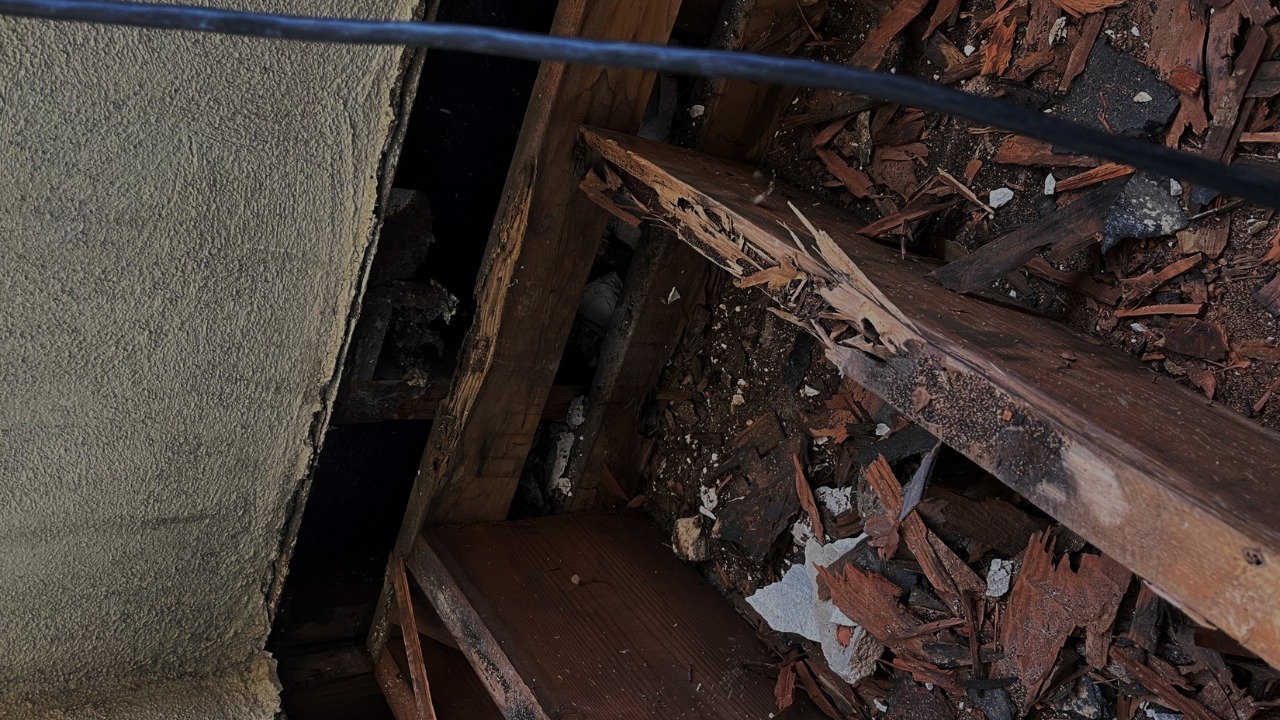
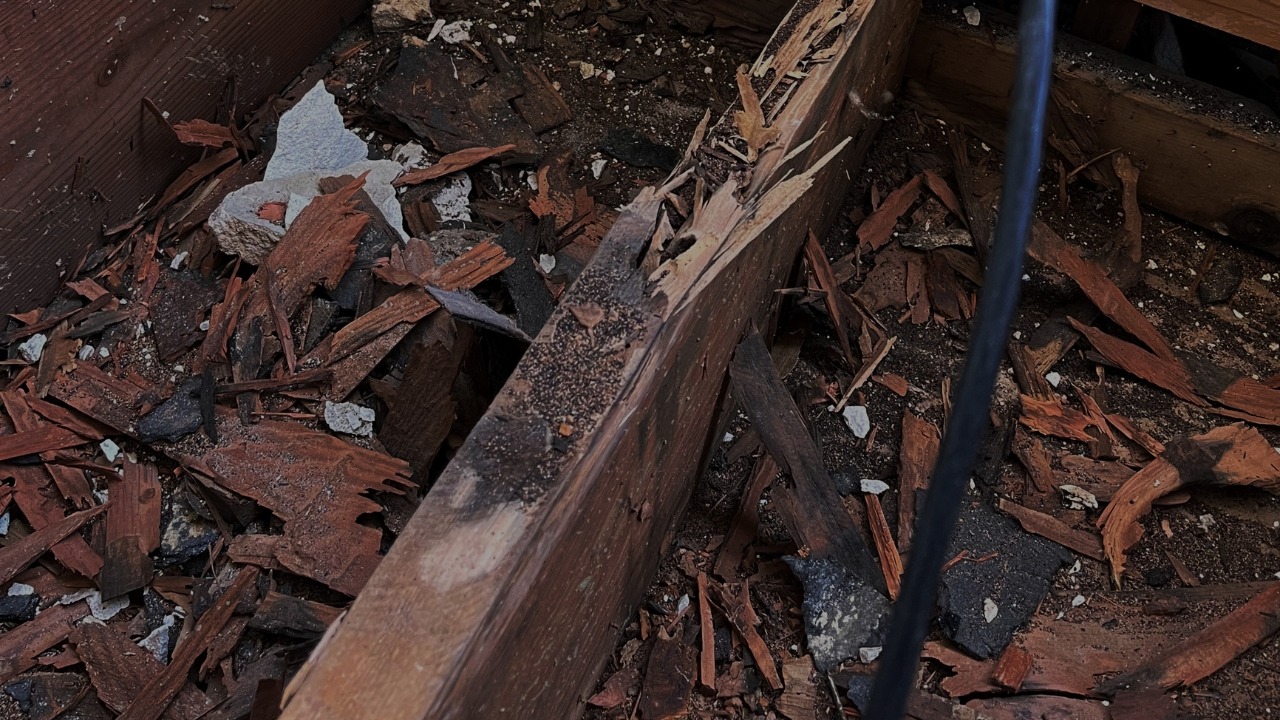

Wood rot is one of the most common forms of deterioration affecting apartmentbalconies throughout California. Left unaddressed, wood rot can compromise structuralintegrity, create safety hazards for occupants, and lead to costly repairs. For multifamilyproperty owners, homeowners associations (HOAs), and property managers,understanding the causes of wood rot and available repair solutions is essential formaintaining safe and compliant exterior elevated elements.
What Is Wood Rot?
Wood rot is the deterioration of wood caused by fungal growth in the presence ofmoisture. When wood remains damp for extended periods, fungi begin breaking downthe wood fibers, reducing the material’s strength and load-carrying capacity.
Balconies, decks, stairways, and elevated walkways are particularly vulnerable becausethey are continuously exposed to weather, moisture, and temperature fluctuations.
Common Causes of Wood Rot in Apartment Balconies
- Waterproofing System Failures
Failed or aging waterproofing systems are among the leading causes of balconydeterioration. Cracked coatings, damaged membranes, and failed flashing details allowwater to penetrate the balcony assembly and reach the underlying wood framing.
- Improper Drainage
Balconies should be designed to direct water away from the structure. Ponding watercaused by insufficient slope, clogged drains, or improper construction can acceleratemoisture intrusion and wood decay.
- Damaged Flashing
Flashing protects critical transitions where balconies connect to walls, doors, andstructural components. Missing, damaged, or improperly installed flashing can allowwater to enter concealed framing areas.
- Cracked Deck Surfaces
Over time, deck coatings and concrete toppings may crack due to weather exposure,structural movement, or normal wear and tear. These cracks can provide pathways formoisture intrusion.
- Long-Term Exposure to Coastal Environments
Properties located near the California coastline are often subjected to higher humiditylevels, wind-driven rain, and salt-laden air, all of which can contribute to accelerateddeterioration of balcony components.
Warning Signs of Wood Rot
Property owners should watch for signs of potential balcony deterioration, including:
- Soft or spongy walking surfaces
- Visible wood decay
- Discoloration or staining
- Peeling paint or coatings
- Water stains on ceilings below balconies
- Sagging or uneven balcony surfaces
- Cracks near balcony connections
- Rust staining around fasteners and connectors
- Persistent moisture accumulation
Because wood rot often develops beneath waterproofing systems and finished surfaces,significant deterioration may exist even when visible signs appear minor.
Why Wood Rot Is a Serious Structural Concern
As wood decay progresses, structural framing members such as joists, beams, ledgers,and posts can lose significant strength. In severe cases, deterioration may affect thebalcony’s ability to safely support occupant loads.
Numerous balcony failures throughout California have highlighted the importance ofroutine inspections and proactive maintenance.
Wood rot can also spread to adjacent framing components if moisture intrusion remainsunresolved.


Balcony Inspection Requirements Under SB-721
California’s SB-721 legislation requires periodic inspections of Exterior ElevatedElements (EEEs) in multifamily apartment buildings with three or more dwelling units.
Balconies, decks, stairways, walkways, and their associated structural supports mayrequire inspection to identify conditions such as:
- Moisture intrusion
- Wood rot
- Structural deterioration
- Waterproofing failures
- Safety concerns
Early identification of deficiencies can help property owners avoid extensive repairs andmaintain compliance with applicable regulations.
Repair Options for Wood Rot
The appropriate repair method depends on the extent of deterioration and the conditionof the structural framing.
- Localized Repairs
When deterioration is limited to a small area, damagedwood components may be removed and replaced whilepreserving surrounding structural elements.
- Structural Framing Replacement
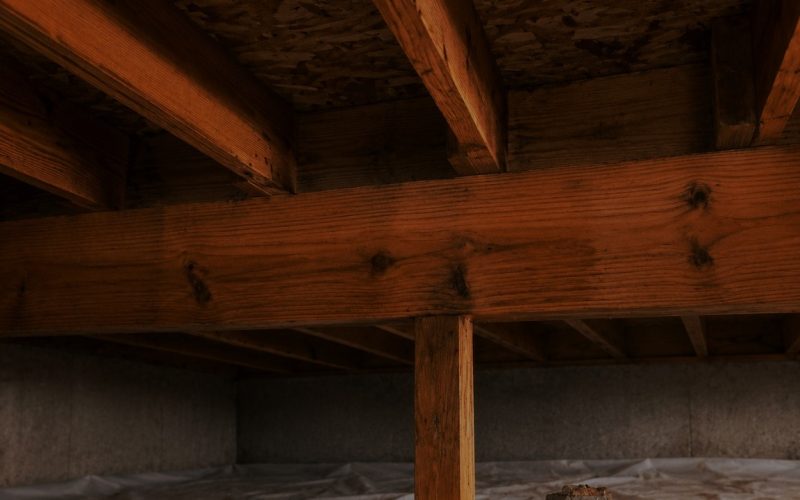
For more extensive damage, deteriorated joists, beams,ledgers, posts, or framing members may require partial orcomplete replacement.

- Waterproofing System Replacement
If moisture intrusion resulted from waterproofing failures,replacing the waterproofing system is often necessary toprevent future deterioration.
Modern balcony waterproofing systems may include:
- Insufficient slope
- Clogged drains
- Improper flashing
- Low areas that collect water
- Failed expansion joints

- Structural Reinforcement
In some cases, structural strengthening may be required to
restore load-carrying capacity and comply with current
building code requirements.

Preventing Future Wood Rot
Preventative maintenance is often the most cost-effective strategy for extending theservice life of apartment balconies. Property owners should:
- Schedule regular balcony inspections
- Repair cracks and waterproofing defects promptly
- Maintain proper drainage systems
- Address moisture intrusion immediately
- Replace damaged flashing components
- Monitor areas exposed to frequent water accumulation
Early intervention can significantly reduce repair costs and help avoid major structural damage.
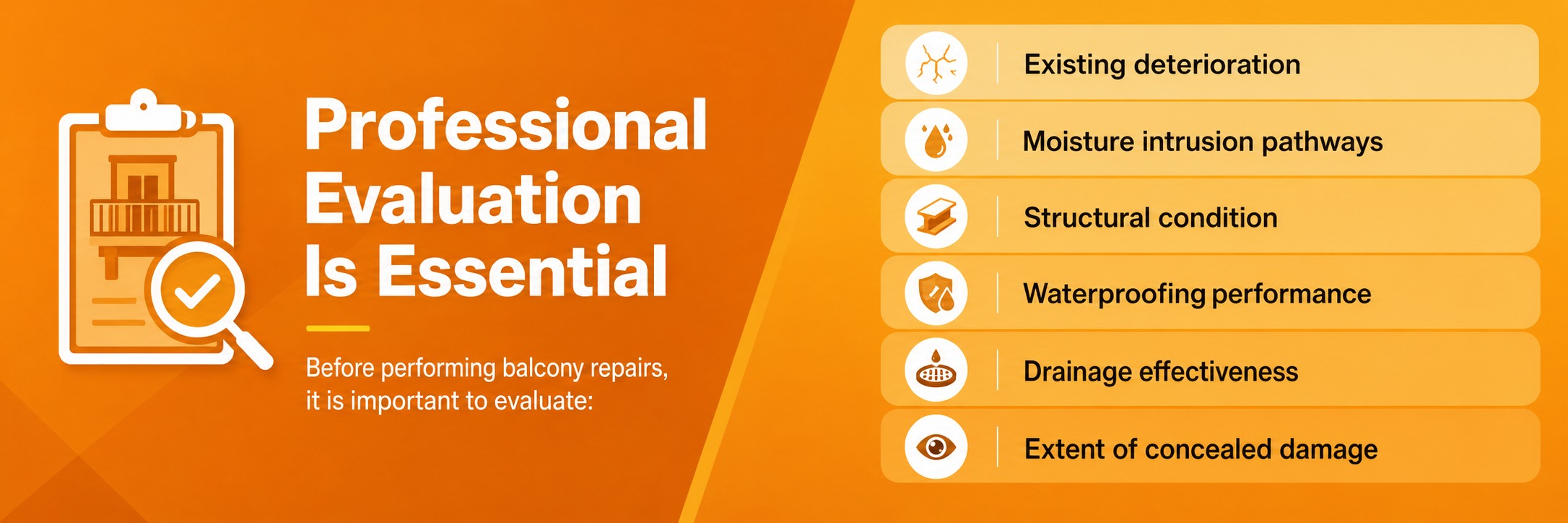
Professional Evaluation Is Essential
Before performing balcony repairs, it is important to evaluate:
- Existing deterioration
- Moisture intrusion pathways
- Structural condition
- Waterproofing performance
- Drainage effectiveness
- Extent of concealed damage
A comprehensive assessment helps ensure that both the symptoms and underlying
causes of deterioration are properly addressed.
Contact SME Engineering & Construction
SME Engineering & Construction provides balcony inspections, wood rot repairs,waterproofing installation, structural repairs, and SB-721 compliance servicesthroughout Los Angeles, Orange County, and the state of California.
If your property shows signs of balcony deterioration or moisture intrusion, contact SME Engineering & Construction today to schedule an inspection and request a consultation.
Visit: https://smeconstruct.com/