
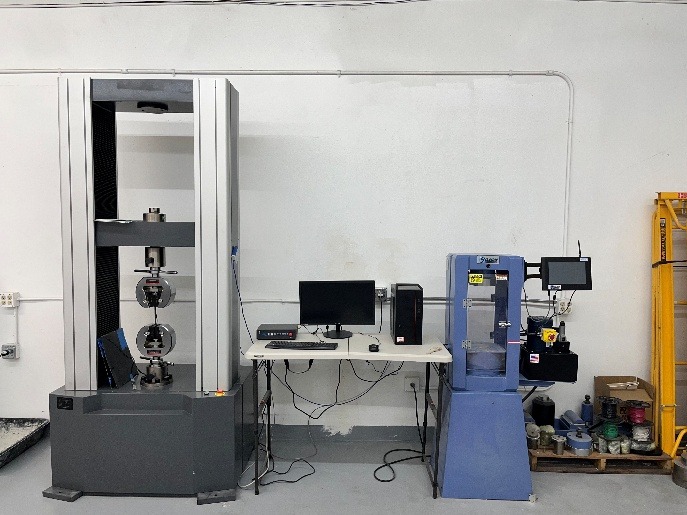
A 28-day compressive strength test comes back below the specified value, and suddenly a project that was moving on schedule stalls while everyone tries to figure out why. Low concrete strength in new construction is one of the most common and most misunderstood problems on a job site, because the concrete itself is rarely the actual source of the failure.
More often, the cause sits somewhere in how the mix was proportioned, placed, or cared for after the pour. Understanding where things typically go wrong makes it a lot easier to catch the problem before it becomes a structural liability or a lawsuit.
The Most Common Culprit Is Water-Cement Ratio in Concrete
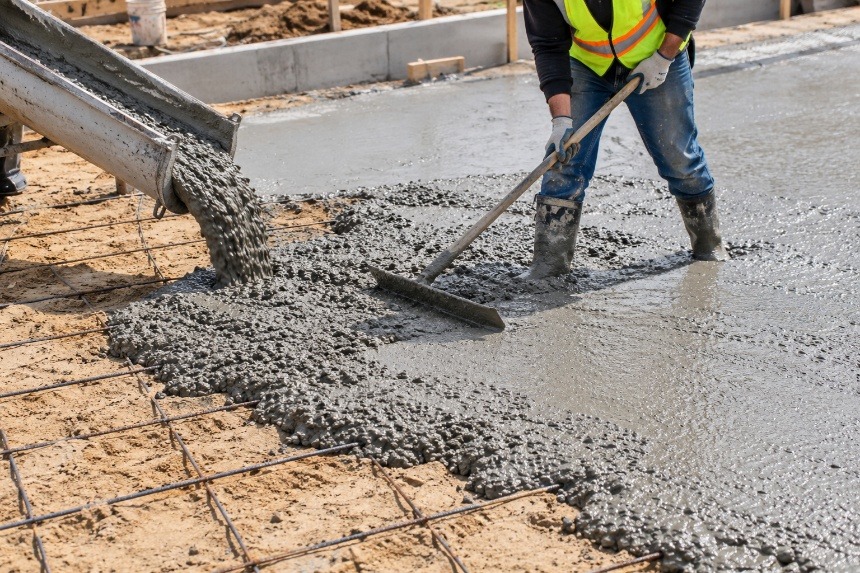
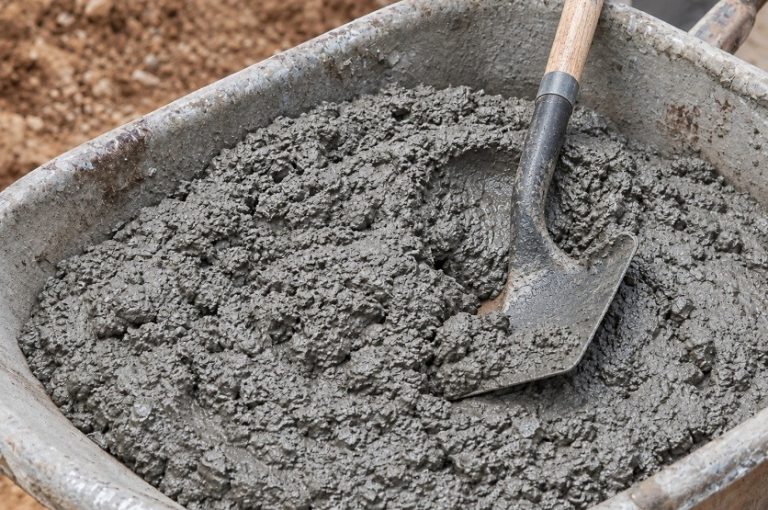
Every concrete mix design starts with a target water-cement ratio, and it’s also the number most frequently violated on site. Adding water to the truck to make a stiff mix easier to place is still a routine practice on many pours, even though every added gallon dilutes the cement paste that gives concrete its strength.
A mix designed for a 0.45 water-cement ratio that gets field-adjusted to 0.55 can lose a meaningful share of its design strength, sometimes 10 to 15 percent depending on the mix, though the exact loss depends on the cement type and admixtures involved. This is why batch tickets and slump tests at the point of placement matter more than most crews treat them.
Curing Failures That Sabotage Strength Gain
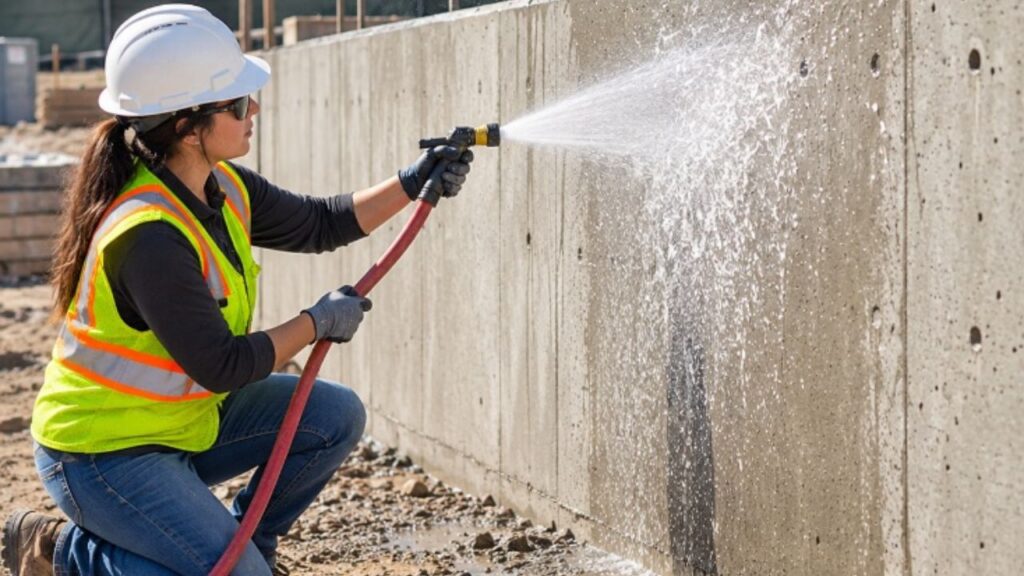
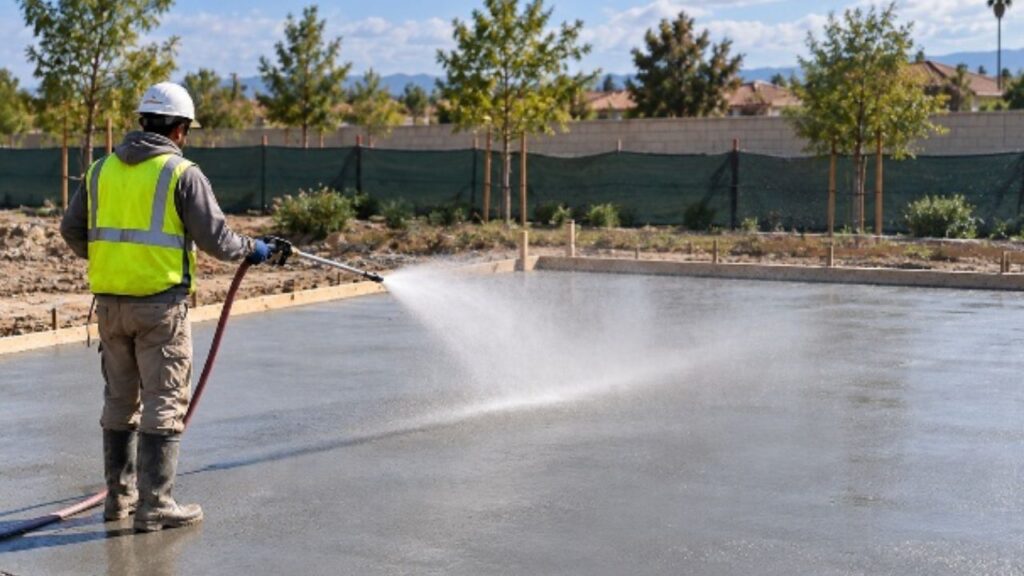
Concrete doesn’t reach its design strength the moment it hardens — it develops strength over weeks as the cement continues to hydrate, and that process needs sustained moisture and a reasonable temperature range to run its course.
A slab left uncovered on a hot, windy day can lose surface moisture within hours, effectively shutting down hydration near the surface long before the standard 28-day benchmark.
Improper curing is one of the most common and most preventable reasons a cylinder break comes back low, and it’s also one of the hardest problems to spot after the fact, since the concrete looks finished and normal from the outside.
Mix Design and Batching Errors
Sometimes the problem starts before the truck ever leaves the plant. An incorrect proportion of cement, aggregate, or admixture, a batching error at the plant, or the use of an aggregate with unexpected moisture content can all throw off the intended mix design.
Fly ash or slag substitutions, common for cost or sustainability reasons, also change the early- strength curve of a mix — concrete with a high percentage of supplementary cementitious material typically gains strength more slowly, which can look like a failure if it’s tested too early relative to its actual design timeline.
Temperature Extremes During Placement and Cure
Concrete placed in cold weather without proper protection can suffer permanent strength loss if it freezes before reaching a minimum strength threshold, generally cited around 500 PSI, needed to resist damage from ice formation in the pore structure.
On the opposite end, hot weather accelerates the initial set, which can trap air, cause plastic shrinkage cracking, and interfere with proper consolidation — all of which show up later as reduced strength even though the mix design itself may have been sound.
Aggregate Quality and Contamination
Aggregate makes up roughly 60 to 75 percent of a typical concrete mix by volume, so its quality has an outsized effect on the finished product. Dirty aggregate, aggregate with excessive fines, or aggregate that’s reactive with cement alkalis (a slower-developing problem known as alkali- silica reaction) can all undermine strength gain in ways that don’t show up until well after the pour.
This is one of the harder causes to diagnose without lab analysis, since the concrete can look and place normally at the time of pour.
When the Concrete Isn't Actually the Problem
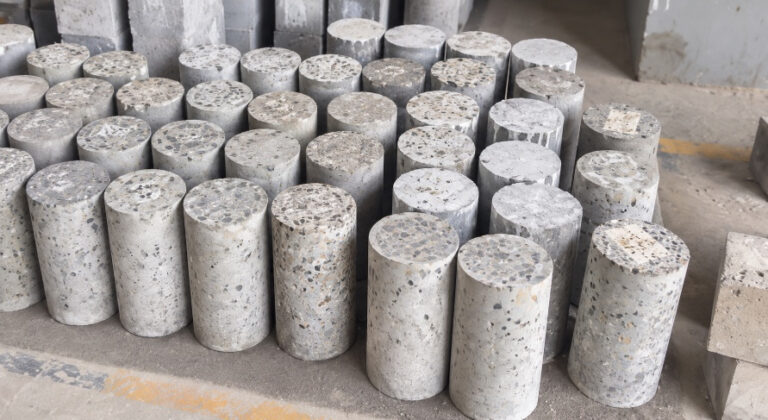
Not every low-strength result means the concrete underperformed. Cylinder specimens that are cured improperly after being cast — stored in a hot truck, dropped, or not protected per ASTM C31 field-curing requirements can produce artificially low results that misrepresent the actual in- place concrete.
This is a genuinely common scenario, and it’s exactly why third-party verification matters before anyone starts talking about demolition or remediation. A low cylinder break should trigger questions about handling and curing records before it triggers questions about the mix design.
What Builders and Owners Should Do Next
A low-strength result isn’t automatically a structural failure, but it isn’t something to wait out either. The standard path forward is independent verification: core sampling from the actual in- place concrete, tested against ASTM C42 procedures, gives a far more accurate picture than relying solely on the original cylinder breaks.
Pairing that with a review of batch tickets, curing logs, and placement conditions usually narrows the cause down to one of the factors above. Getting an independent testing lab involved early — before decisions get made about repair, replacement, or structural load ratings — tends to save both time and money compared to guessing.
Conclusion
If you’re dealing with a low-strength result on an active project, third-party concrete coring and compressive strength testing can confirm what’s actually in the ground before any remediation decisions get made.
Now you understand the Causes Low Concrete Strength in New Construction, it’s easy for you to start a process without making any mistakes.