
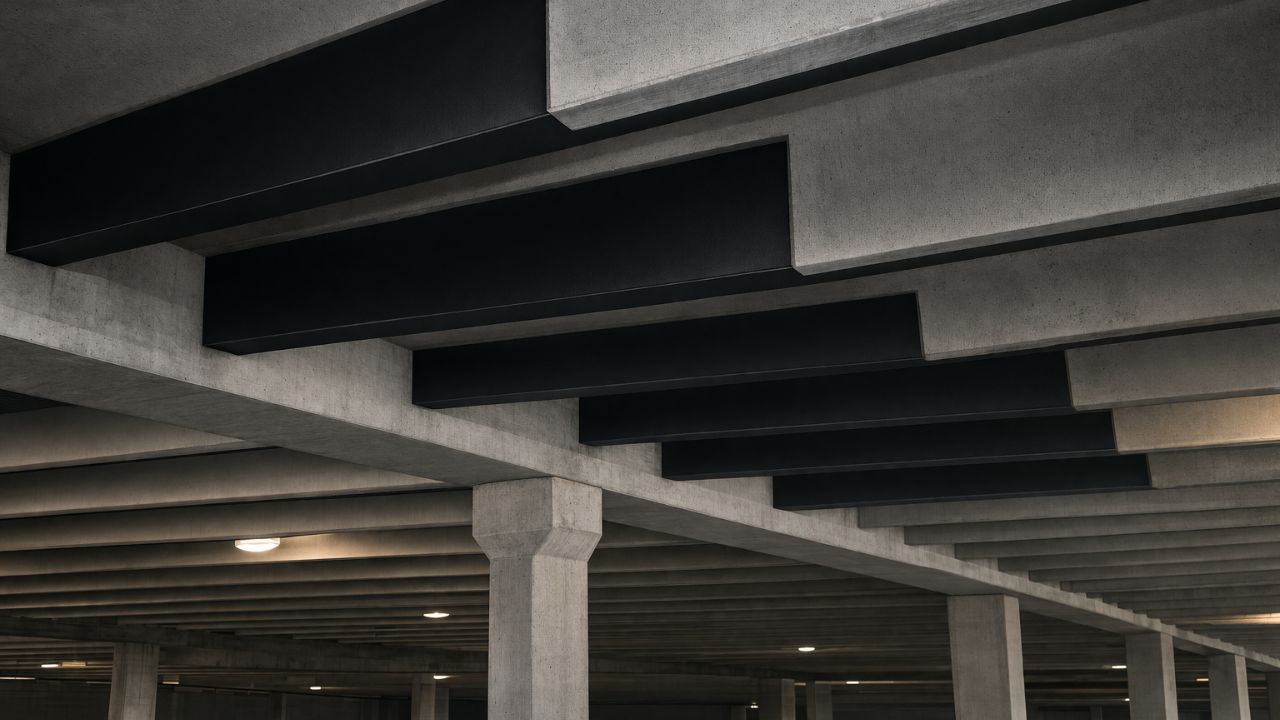
FRP structural Strengthening may become necessary to restore Concrete structures which are built to last. because Exposure to moisture, corrosion of reinforcing steel, increased loading, poor construction practices, and environmental conditions can gradually weaken concrete elements.
Traditionally, strengthening damaged concrete has often involved adding steel plates, enlarging structural sections, or installing additional supports. While these methods can be effective, they may increase structural weight, require extensive labor, and disrupt the use of an existing building.
Fiber-Reinforced Polymer (FRP) strengthening offers a modern alternative.
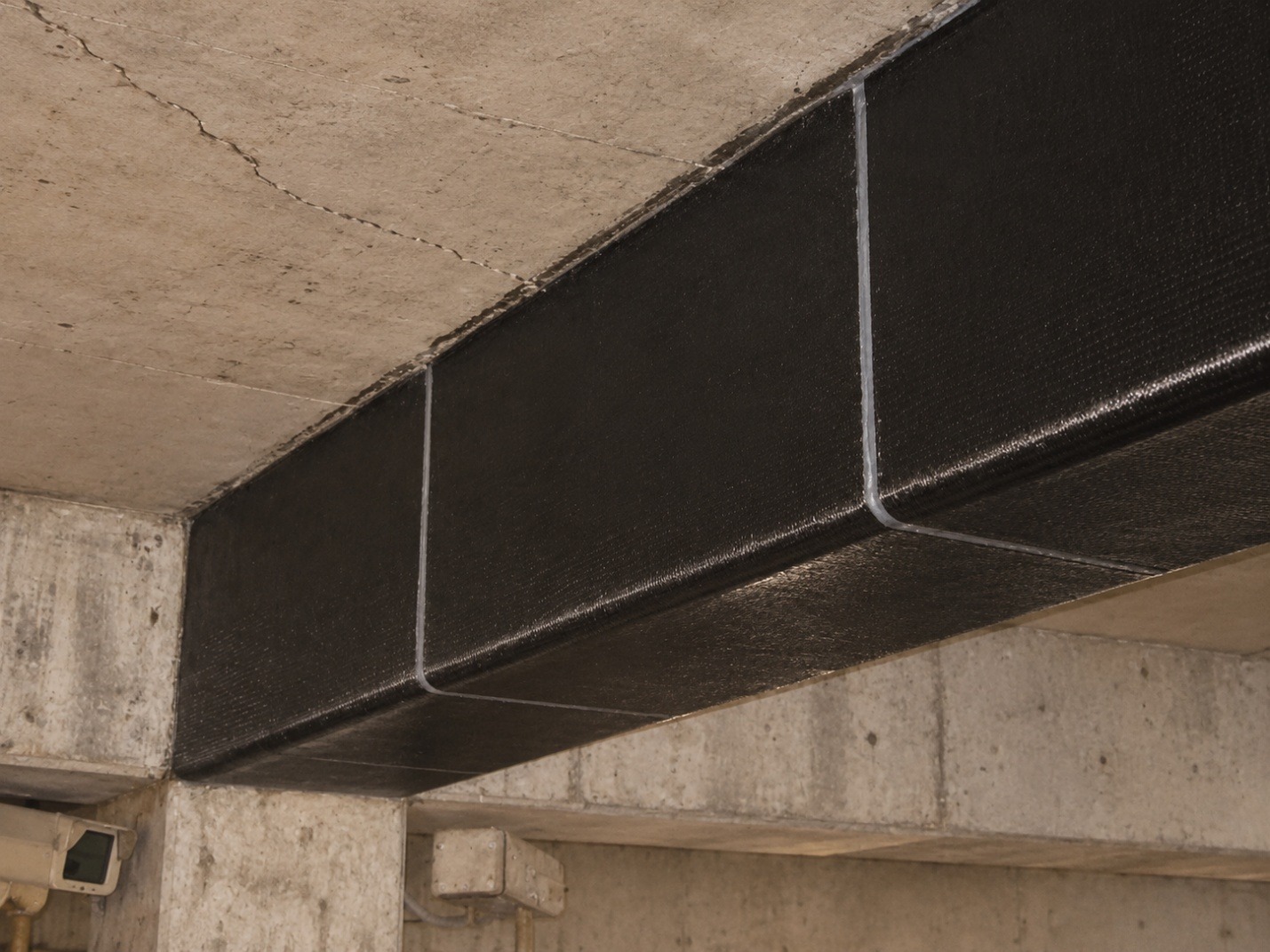
It uses high-strength composite materials to reinforce selected structural elements with relatively little additional weight and limited changes to the existing structure. When properly designed and installed, FRP systems can help improve structural performance while reducing the disruption associated with some conventional strengthening methods.
In this article, we explore how FRP structural strengthening works, where it is used, its major benefits, and why it has become an important option for concrete rehabilitation projects.
Why Do Concrete Structures Need FRP Strengthening?
Concrete deterioration does not always mean that an entire structure needs to be replaced. In many cases, a targeted strengthening solution can address a specific structural deficiency, provided the underlying condition has been properly investigated.
Several situations may create a need for FRP strengthening.
- Aging and Deteriorating Concrete
As concrete structures age, they may develop cracks, surface deterioration, and other signs of distress. Water penetration and exposure to aggressive environmental conditions can also contribute to reinforcement corrosion and damage.
FRP strengthening may help improve the capacity of suitable structural elements after the causes of deterioration have been investigated and necessary repairs have been completed.
It is important to remember that FRP does not repair every form of concrete damage by itself.
- Increased Structural Loads
Buildings are sometimes modified to accommodate new equipment, additional floors, heavier storage, or changes in how spaces are used. These changes can increase the loads acting on existing beams, columns, and slabs.
If an engineering assessment shows that an element doesn’t have sufficient capacity for the proposed loads, FRP strengthening may be considered as part of the rehabilitation.
The final solution must account the existing structure, load requirement, material condition, & applicable design standards.
- Earthquake and Seismic Strengthening
In earthquake-prone areas, older concrete buildings may require improvements to their structural performance. Certain FRP systems can help strengthen columns, improve confinement, or address specific shear deficiencies.
For example, wrapping a suitable concrete column with an engineered FRP system can provide confinement that helps improve its deformation capacity under appropriate conditions.
However, seismic strengthening requires a broader structural evaluation. Strengthening individual components does not automatically make an entire building earthquake-resistant.
- Construction Deficiencies and Structural Damage
In some cases, structural elements may have inadequate reinforcement, insufficient shear capacity, or other deficiencies identified during an inspection.
Accidental impact, fire exposure, or changes to structural components can also create conditions that require detailed investigation.
FRP may be suitable for selected strengthening applications after the extent of the damage has been established and the necessary repairs have been completed.
How Does FRP Structural Strengthening Work?
The FRP strengthening process involves more than simply attaching a layer of composite material to concrete. Proper engineering, surface preparation, installation, and quality control are essential for achieving reliable results.
- Step 1: Structural Inspection and Assessment
The process begins with an assessment of the existing structure. Engineers review available drawings, inspect visible damage, and evaluate the condition of the concrete and reinforcement.
Where necessary, they may recommend non-destructive testing or other investigations to identify hidden defects, assess concrete quality, or determine the extent of deterioration.
This stage helps establish why strengthening is required and whether FRP is an appropriate solution.
- Step 2: Selecting the Right FRP System
Different structural problems require different strengthening arrangements.
For example, FRP laminates or sheets bonded along the tension face of a beam may help increase its flexural capacity. Properly designed FRP reinforcement on selected beam or slab surfaces may also improve shear resistance.
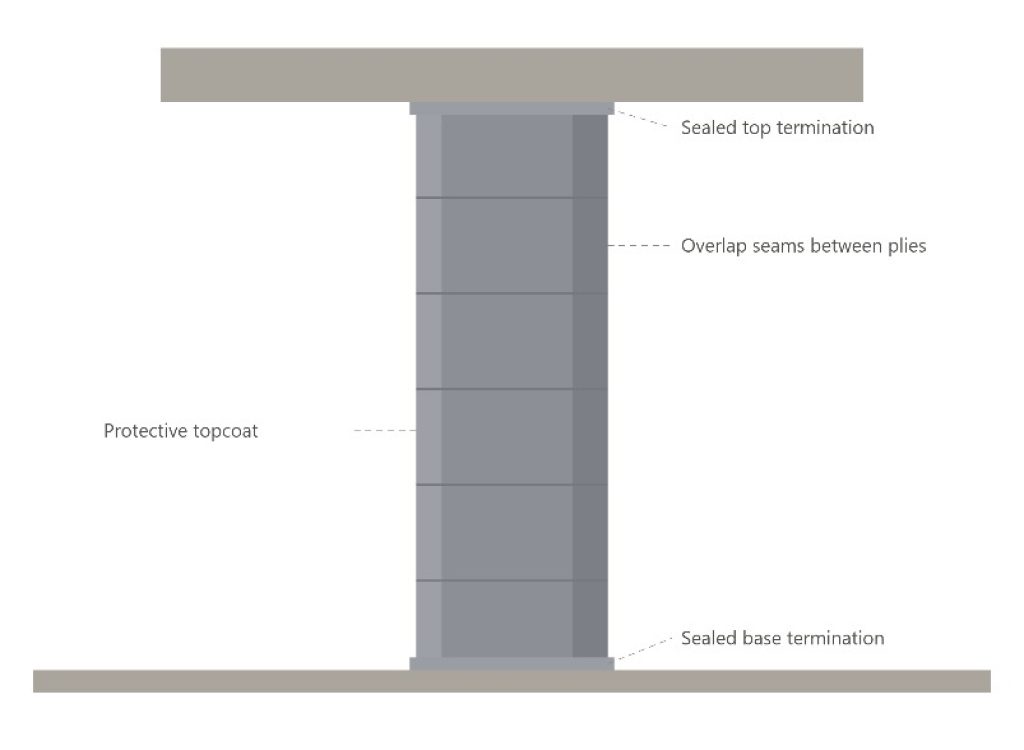
For columns, FRP wrapping can provide confinement when designed for the particular loading and detailing requirements. The choice of fiber type, material orientation, thickness, anchorage, and installation arrangement depends on the structural assessment and engineering design.
- Step 3: Concrete Surface Preparation
The concrete surface must be prepared according to the selected system’s requirements. This may involve removing weak or deteriorated concrete, repairing defects, cleaning the surface, and ensuring that the substrate meets the specified strength and moisture conditions.
If corrosion has damaged the reinforcing steel, the underlying corrosion problem must also be addressed through an appropriate repair procedure. Poor surface preparation can compromise the bond between the FRP system and the concrete, reducing the effectiveness of the strengthening work.
- Step 4: FRP Installation
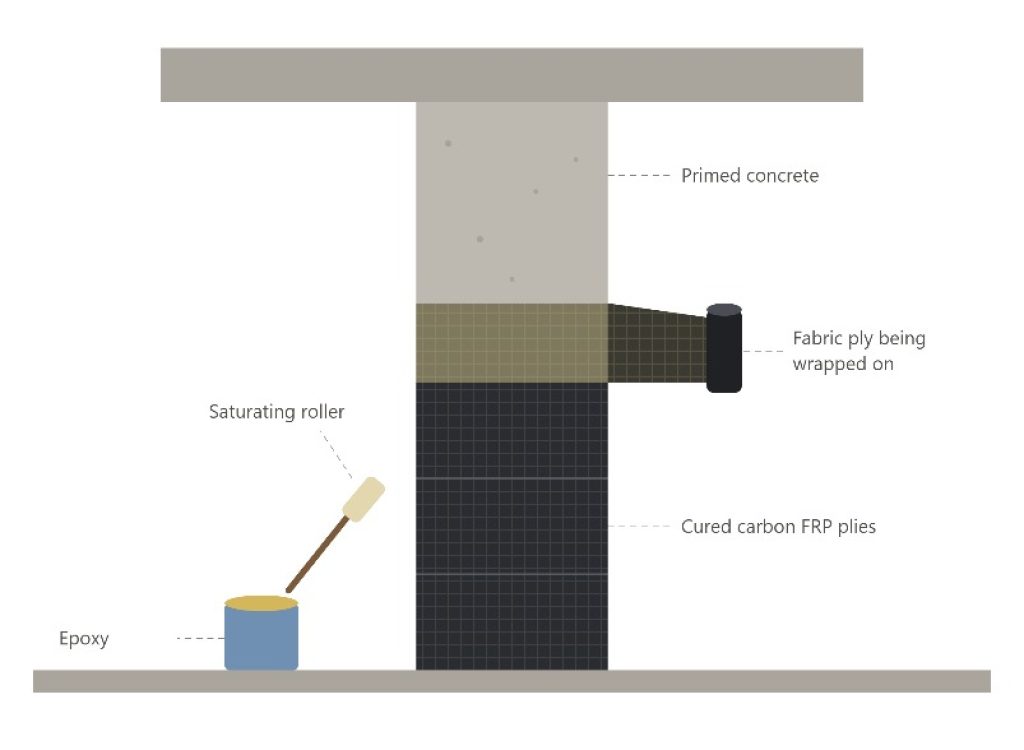
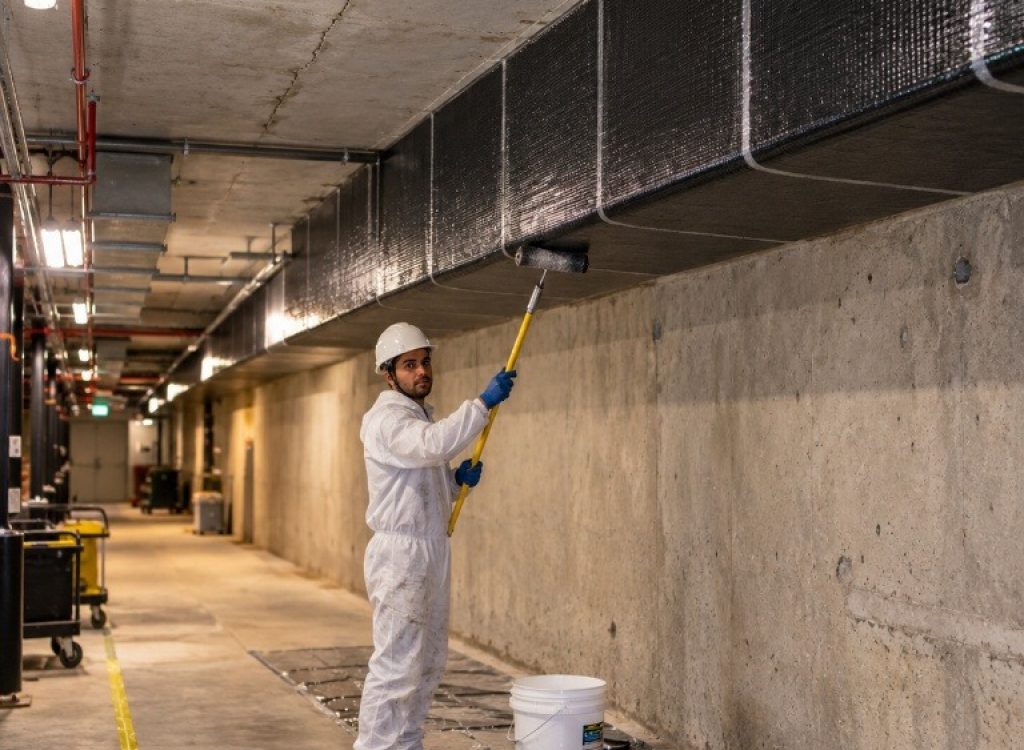
Once the surface is ready, trained installers apply the selected FRP system according to the manufacturer’s instructions and the approved engineering specifications.
For wet-layup systems, resin is applied and reinforcing fabric is positioned on the prepared concrete surface. Pre-cured FRP laminates are generally bonded using a suitable structural adhesive.
The installation must maintain the specified fiber orientation, layer arrangement, overlap, curing conditions, and detailing.
- Step 5: Inspection and Quality Control
After installation and curing, the completed work should be inspected to verify that it meets the project requirements.
Quality checks may include reviewing surface condition, checking for visible defects or debonding, confirming installation details, and maintaining appropriate records.
Depending on the project, additional testing or monitoring may be required. A properly documented inspection helps confirm that the installed strengthening system is consistent with the design and provides a reference for future maintenance.
Where Is FRP Strengthening Commonly Used?
FRP structural strengthening is used in various rehabilitation and retrofit projects where its properties suit the structural requirements.
Commercial and residential buildings: Strengthening may be considered for beams, slabs, and columns when a building undergoes renovation, changes in occupancy, or an assessment identifies insufficient structural capacity.
Bridges and flyovers: FRP systems can help strengthen selected concrete bridge components, improve their resistance to specific loading effects, and support rehabilitation work.
Parking structures: Concrete parking facilities may experience deterioration from water and de-icing salts in some environments. Following repairs and a structural assessment, FRP may be suitable for strengthening selected beams, slabs, or other components.
Industrial facilities: Existing industrial buildings may need strengthening when equipment loads change or additional structural capacity is required.
Seismic retrofitting: Engineered FRP wrapping can be used in certain column-strengthening applications to improve confinement and address specific seismic performance deficiencies.
Infrastructure rehabilitation: Selected concrete structures, including tunnels and other infrastructure elements, may benefit from FRP systems where access, exposure conditions, and engineering requirements make them suitable.
In every application, the proposed strengthening system must be designed for the actual condition of the structure rather than selected solely on the basis of material strength.
FRP Strengthening vs. Traditional Strengthening Methods
FRP is not a universal replacement for conventional structural strengthening. Each method has advantages and limitations, and the right choice depends on the project’s objectives.
Traditional approaches may include adding reinforced concrete, installing steel plates, enlarging columns, or introducing additional supports. These methods can be appropriate where substantial capacity increases, specific connection details, or other structural changes are required.
FRP is often attractive when low added weight, limited changes to dimensions, and efficient installation are priorities.
However, FRP systems also have limitations. Their performance depends heavily on the bond with the concrete, appropriate anchorage, installation quality, and the behavior of the existing structure. Many FRP materials are sensitive to elevated temperatures and may require suitable fire protection. Long-term exposure conditions and inspection access must also be considered.
A structural engineer should compare the available options before recommending a strengthening method.
Important Factors to Consider Before FRP Installation
Although FRP can be an effective strengthening solution, successful results depend on careful planning.
- Condition of the existing concrete:
Weak, cracked, or deteriorated concrete may not provide a suitable bonding surface until repairs have been completed.
- Underlying cause of damage:
FRP should not be used to conceal ongoing problems such as active corrosion, water ingress, foundation movement, or excessive loading.
- Fire and temperature performance:
The selected FRP system, resin, and any required protective measures must meet the project’s fire and temperature requirements.
- Environmental exposure:
Moisture, chemicals, temperature changes, and other site conditions can influence material selection and long-term performance.
- Installation quality:
Correct surface preparation, resin handling, curing, and quality control are essential to achieve the intended performance.
- Professional engineering design:
Tailored strengthening solutions addressing structural deficiencies, failure modes, anchorage, & transfer.
Considering these factors early helps avoid installation problems and supports a more durable rehabilitation strategy.
Conclusion
Damaged or under-strength concrete structures do not always require extensive reconstruction. With a proper assessment and a carefully designed rehabilitation plan, targeted strengthening may help improve structural performance and extend the useful life of existing infrastructure.
FRP structural strengthening provides a modern solution for selected concrete rehabilitation projects by combining high strength, low added weight, corrosion resistance, and relatively unobtrusive installation. It can be particularly useful for strengthening beams, slabs, columns, bridges, and other concrete elements where conventional methods may involve greater weight or more extensive construction work.
However, the success of an FRP system depends on more than the material itself. A thorough structural assessment, appropriate repair of existing damage, correct system selection, professional installation, and effective quality control are all essential.
If your building or infrastructure shows signs of deterioration, or if you are planning modifications that may increase structural loads, consider consulting a qualified structural engineer. A professional assessment can determine whether FRP strengthening is suitable and help identify the most effective approach for improving structural safety, durability, and long-term performance.