
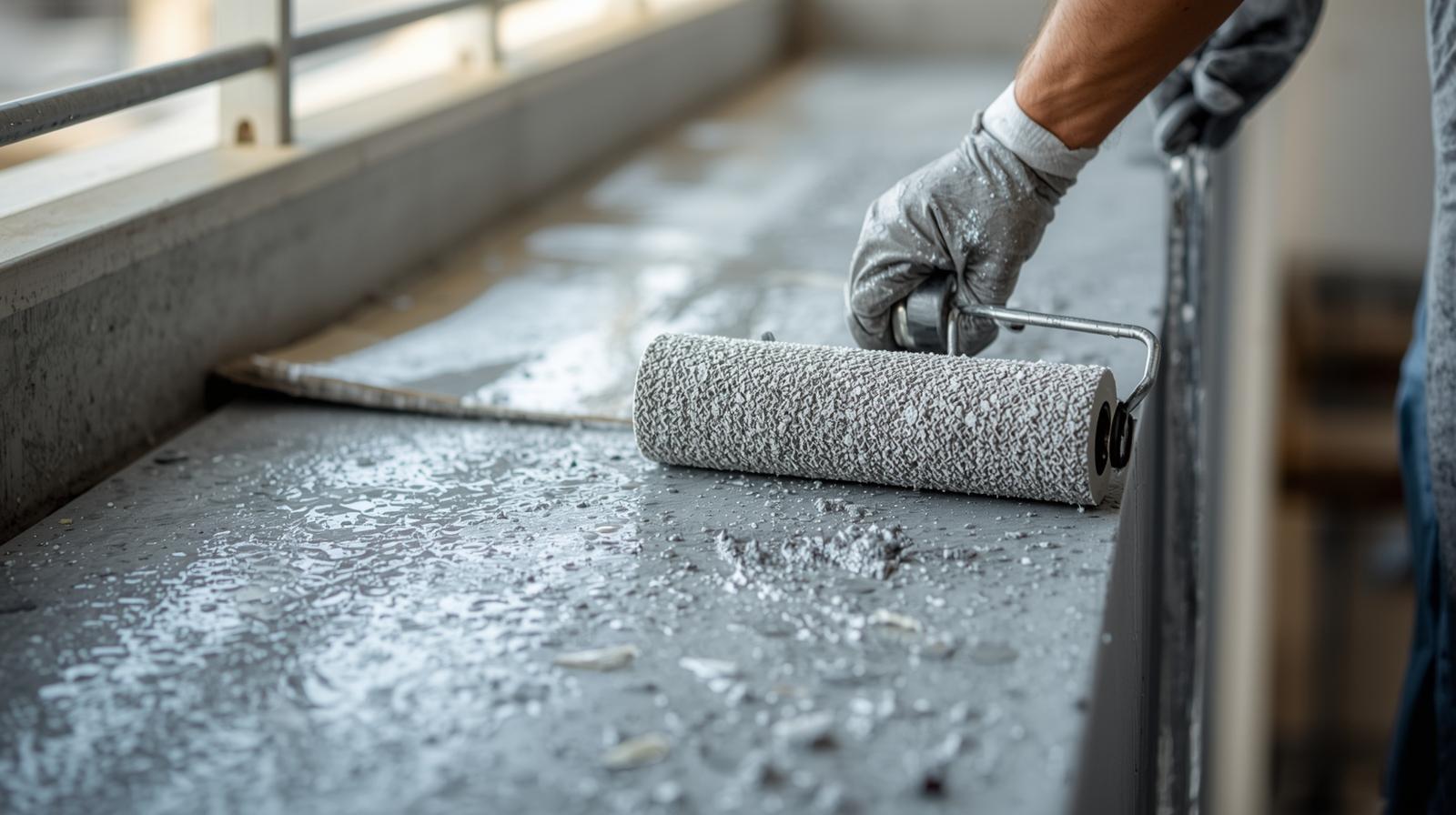
Concrete is one of the most widely used construction materials in residential, commercial, and industrial buildings. Known for its strength and versatility, concrete is often assumed to be maintenance-free. However, over time, environmental exposure, structural stress, and water infiltration can cause concrete to deteriorate. This is where concrete repair and waterproofing play a crucial role in preserving structural integrity and extending the life of a building.
Why Concrete Deteriorates
Despite its durability, concrete is porous by nature. Water, chemicals, and pollutants can seep into the structure through small cracks and capillaries. Common causes of concrete damage include temperature fluctuations, heavy loads, corrosion of embedded steel reinforcement, poor construction practices, and prolonged exposure to moisture. If not addressed early, minor damage can escalate into major structural problems.
Importance of Concrete Repair
Concrete repair focuses on restoring damaged or weakened areas of a structure. Cracks, spalling, honeycombing, and surface delamination not only affect appearance but also compromise safety. Timely repairs prevent further deterioration and protect reinforcement steel from corrosion.
Repair techniques vary depending on the extent of damage. They may include crack injection, patch repair, surface leveling, corrosion treatment, or structural strengthening using advanced materials. Professional assessment ensures that the root cause of damage is addressed rather than just the visible symptoms.
Role of Waterproofing in Structural Protection
Waterproofing is equally essential in protecting concrete structures from moisture-related damage. Without proper waterproofing, water ingress can lead to dampness, mold growth, leakage, and corrosion of reinforcement steel. Over time, this significantly weakens the structure and increases maintenance costs. Waterproofing solutions may include liquid-applied membranes, cementitious coatings, crystalline waterproofing, or protective sealants. These systems create a barrier that prevents water penetration while allowing the structure to breathe, ensuring long-term performance.
Benefits of Combining Repair and Waterproofin
Concrete repair alone is not enough if water continues to penetrate the structure. Similarly, waterproofing over damaged concrete is ineffective. Combining both ensures comprehensive protection. Repair restores the strength of the concrete, while waterproofing shields it from future moisture damage.
This integrated approach enhances durability, improves load-bearing capacity, reduces maintenance expenses, and extends the service life of the building. It also improves indoor comfort by eliminating dampness and related health concerns.
When to Consider Concrete Repair & Waterproofing
Visible cracks, peeling paint, water stains, leakage, or rust marks are clear indicators that professional attention is needed. Older buildings, basements, terraces, balconies, water tanks, and exposed concrete elements require periodic inspection and preventive treatment.
Conclusion
Concrete repair and waterproofing are vital investments in the safety, performance, and longevity of any structure. Addressing damage early and protecting concrete from water intrusion can prevent costly repairs and structural failures in the future. By choosing the right repair methods and waterproofing systems, property owners can ensure long-lasting protection and peace of mind.