
California’s seismic activity presents unique challenges for building owners, propertymanagers, HOAs, and commercial property operators. Many existing buildings wereconstructed under older building codes and may contain structural deficiencies that canincrease the risk of damage during an earthquake.
Understanding these common seismic deficiencies can help property owners identifypotential vulnerabilities and make informed decisions about structural improvementsand seismic retrofits.
Why Seismic Deficiencies Matter
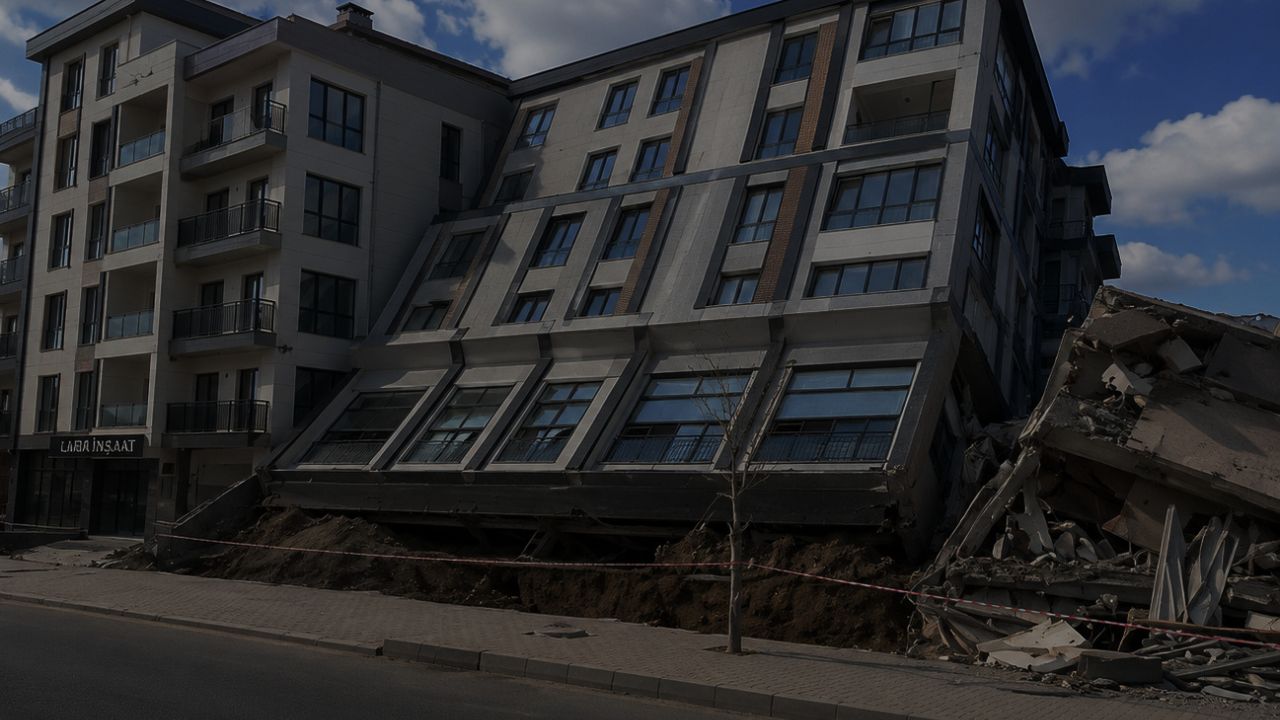
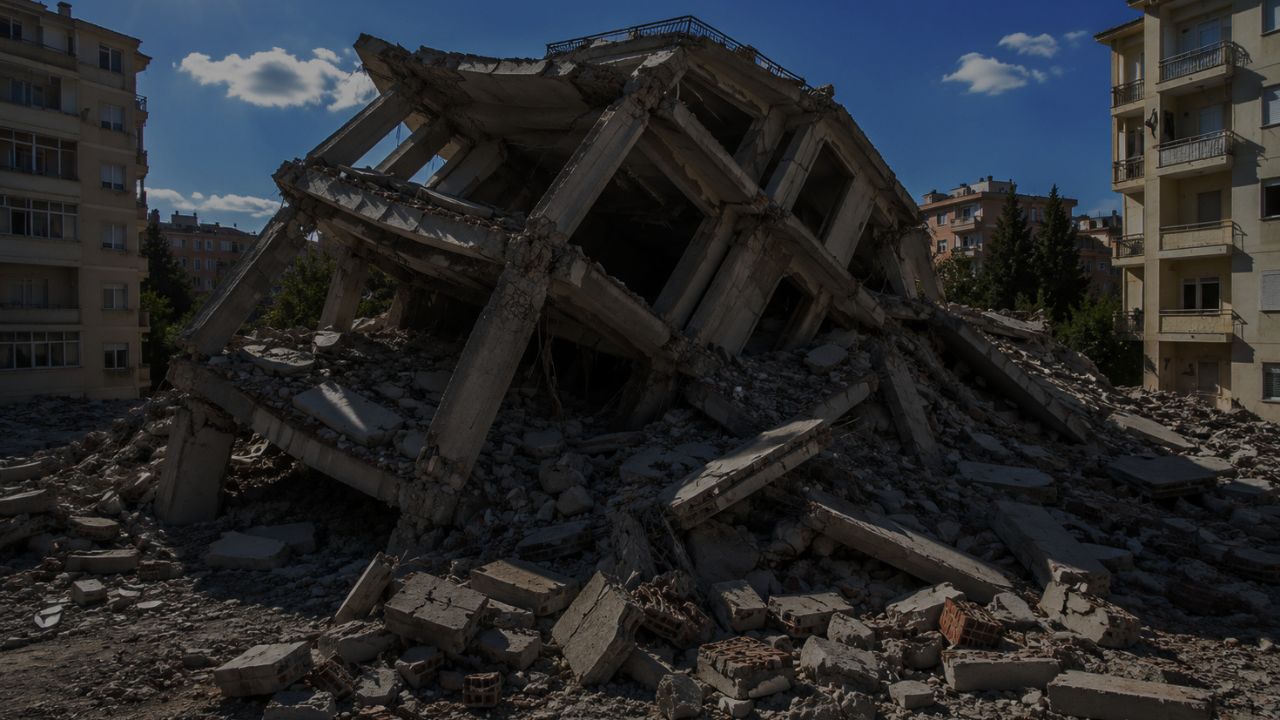
During an earthquake, buildings are subjected to lateral forces that cause the structureto move, sway, and deform. When structural components are unable to adequately resistthese forces, damage can occur.
Common consequences of seismic deficiencies include:
- Structural cracking
- Excessive building movement
- Partial structural failure
- Falling hazards
- Foundation damage
- Costly repairs
- Increased risk to occupants
Many buildings throughout California and particularly in Los Angeles were constructed before modern seismic design requirements were implemented.
Soft Story Conditions
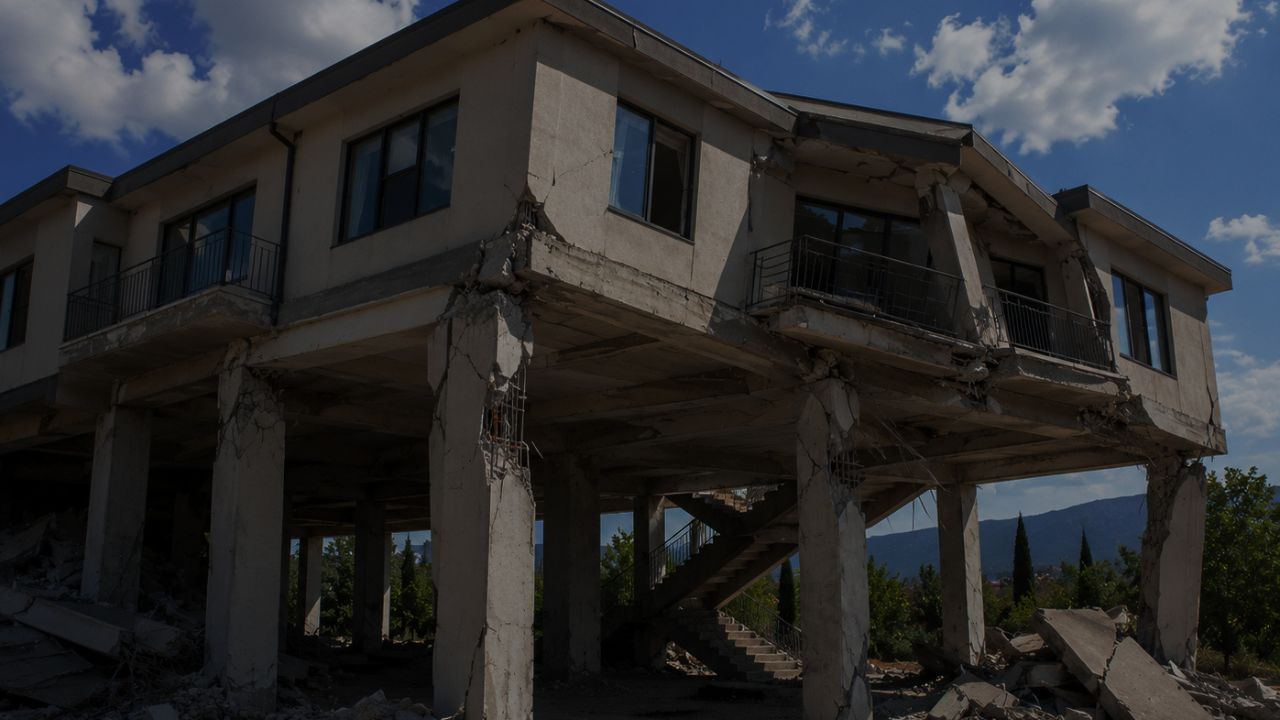
One of the most well-known seismic deficiencies found in California apartmentbuildings is the soft story condition.
Soft story buildings typically have:
- Ground-floor parking areas
- Large openings at the first level
- Limited shear walls
- Weak lateral resistance at the ground floor
During an earthquake, the weaker level may experience excessive movement comparedto the upper stories. Many soft story apartment buildings in Los Angeles have beensubject to mandatory retrofit requirements.
- Inadequate Shear Walls
Shear walls are structural elements designed to resist horizontal earthquake forces.
Older buildings may contain:
- Insufficient shear wall length
- Poorly distributed shear walls
- Undersized structural panels
- Inadequate fastening
Without sufficient shear walls, buildings may experience excessive lateral movementand structural damage during seismic events.
- Weak Beam-to-Column Connections
The connections between beams and columns are critical components of a building’slateral force-resisting system.
Common deficiencies include:
- Inadequate connection details
- Insufficient welds
- Poor anchorage
- Deteriorated structural components
Weak connections can compromise a building’s ability to transfer seismic forces safelythroughout the structure.
- Unreinforced Masonry Construction
Unreinforced masonry (URM) buildings are among the most vulnerable structures duringearthquakes.
These buildings often contain:
- Brick walls without reinforcement
- Weak wall-to-floor connections
- Limited structural ductility
- Heavy exterior wall systems
Earthquake forces can cause cracking, separation, or collapse of masonry elements ifproper strengthening measures are not in place.
- Inadequate Foundation Anchorage
Buildings must be securely connected to their foundations to resist seismic forces.
Common foundation-related deficiencies include:
- Missing anchor bolts
- Inadequate bolt spacing
- Deteriorated anchors
- Weak sill plate connections
Poor anchorage can allow buildings to shift or slide during seismic events.
- Cripple Wall Deficiencies
Cripple walls are short framed walls located between the foundation and the first floor ofa structure.
Many older California buildings contain cripple walls that lack:
- Proper plywood sheathing
- Adequate anchorage
- Sufficient bracing
These deficiencies can result in significant movement and structural damage during earthquakes.
- Non-Ductile Concrete Construction
Many concrete buildings constructed before modern seismic code requirements may beclassified as non-ductile concrete structures.
Common deficiencies include:
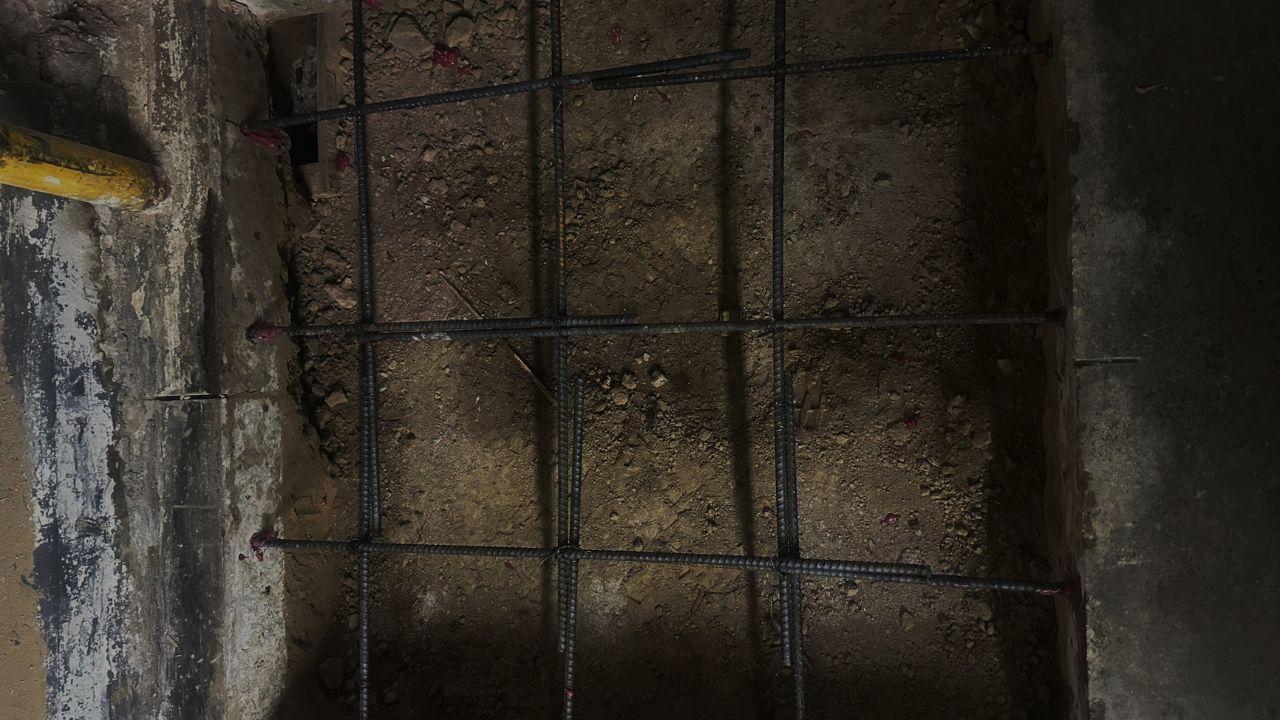
- Inadequate reinforcement detailing
- Limited confinement reinforcement
- Brittle structural behavior
- Insufficient seismic resistance
These buildings may be more susceptible to significant damage during strong seismicevents.
- Structural Deterioration
Long-term deterioration can reduce a building’s seismic performance.
Examples include:
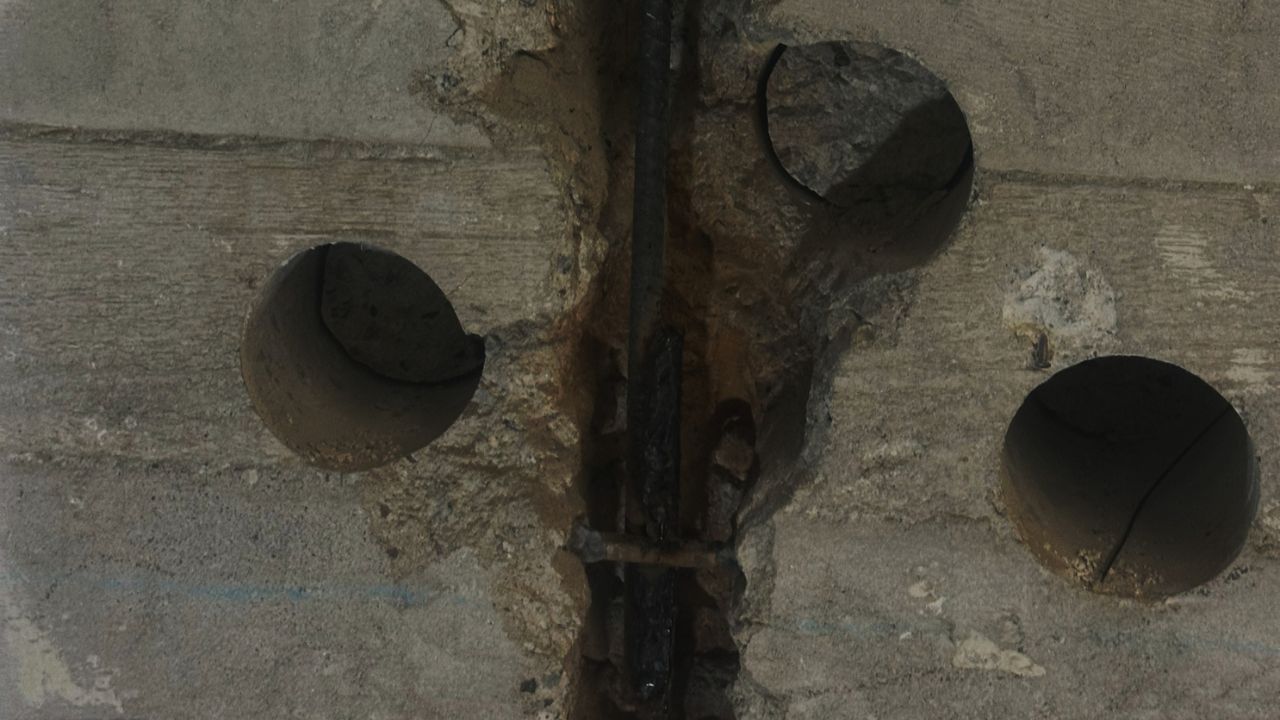
- Reinforcing steel corrosion
- Concrete spalling
- Wood rot
- Moisture damage
- Structural cracking
Even buildings originally designed to resist earthquakes may experience reducedperformance if deterioration is not addressed.
- Heavy Exterior Cladding and Falling Hazards
Seismic risks are not limited to primary structural components.
Common falling hazardsinclude:
- Exterior facades
- Decorative architectural elements
- Parapets
- Canopies
- Mechanical equipment
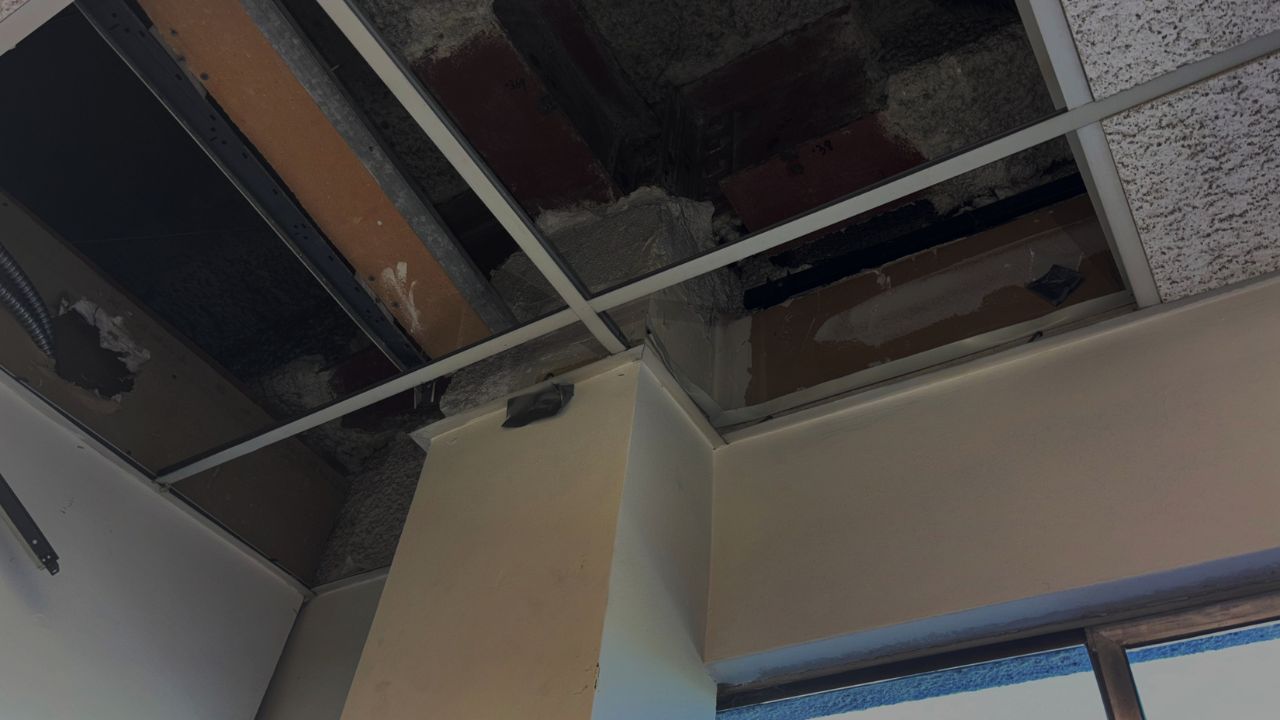
- Suspended ceilings
These elements may become detached during earthquakes and create significant safetyconcerns.
Inadequate Load Path Continuity
A building’s structural system must provide a continuous load path that transfersearthquake forces from the roof and floors to the foundation. Common deficienciesinclude:
- Disconnected structural elements
- Poor collector detailing
- Inadequate drag struts
- Weak diaphragm connections
Interruptions in the load path can significantly reduce seismic performance.
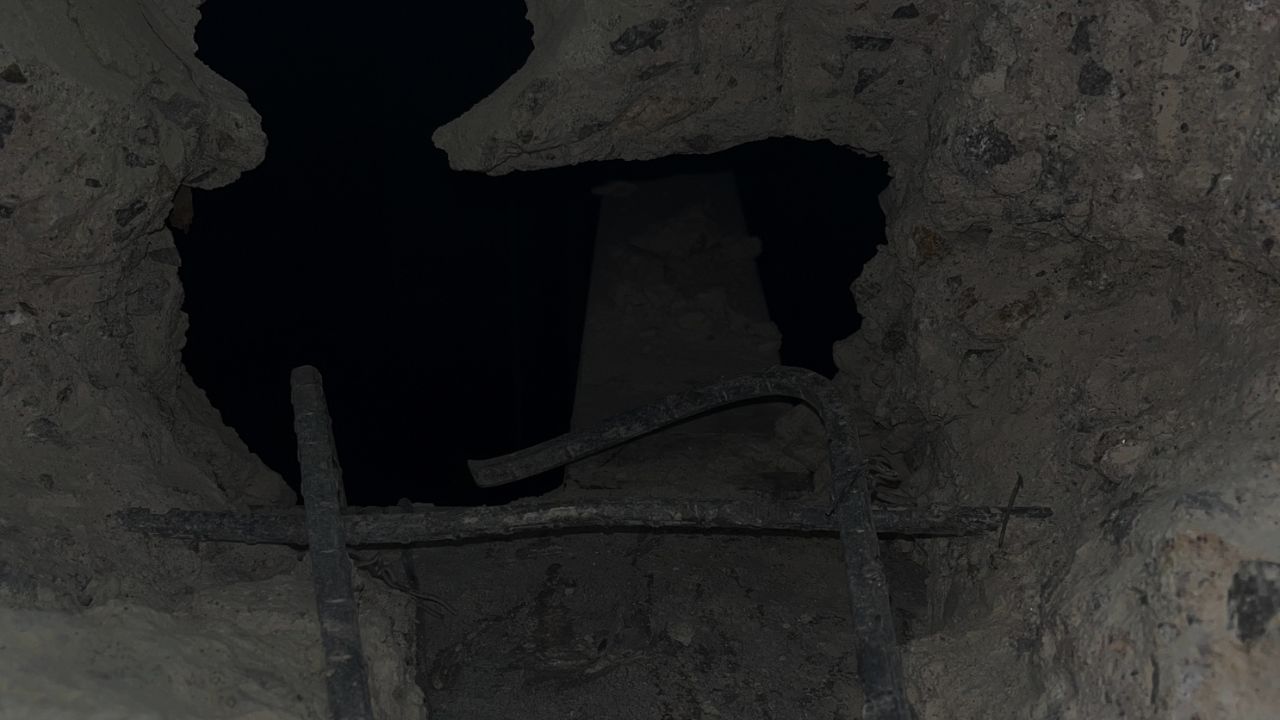
How Seismic Deficiencies Are Identified
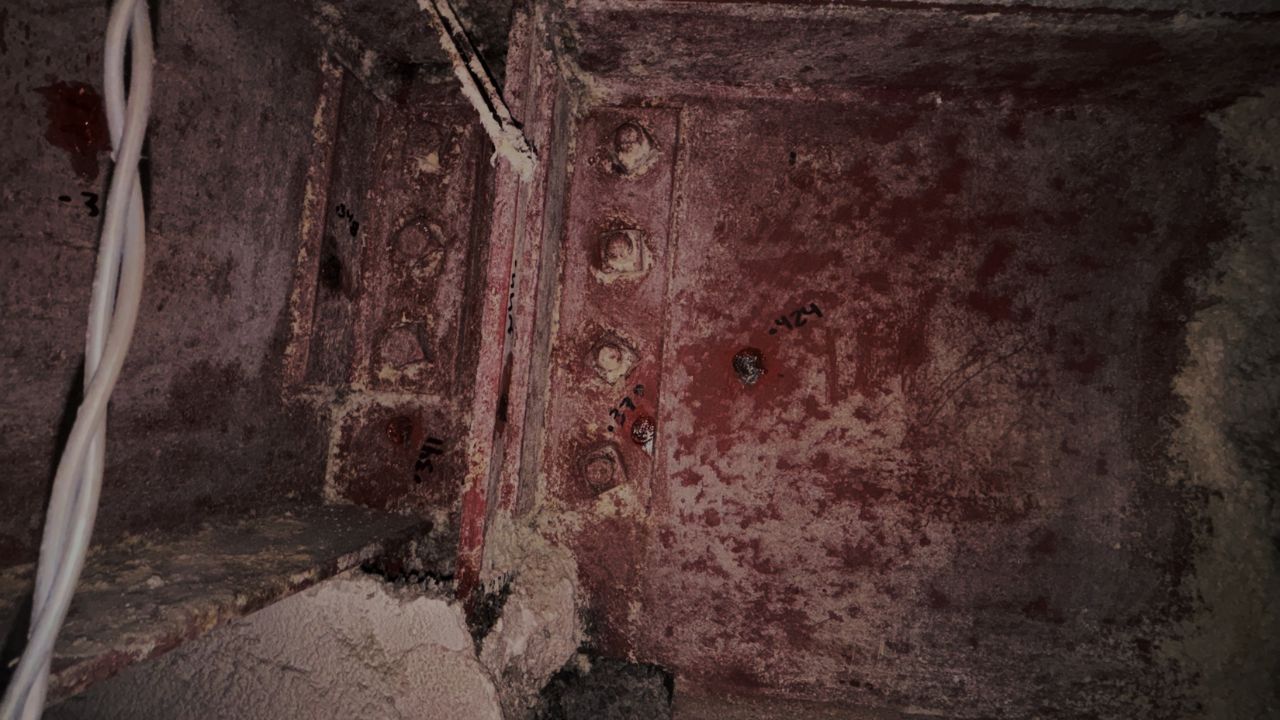
Evaluating seismic vulnerabilities often involves:
- Structural engineering assessments
- Visual condition surveys
- Review of original construction documents
- Exploratory openings
- Material testing
- Concrete and steel evaluations
- As-built documentation
The findings help determine whether seismic strengthening or retrofit measures arewarranted.
Common Seismic Retrofit Solutions
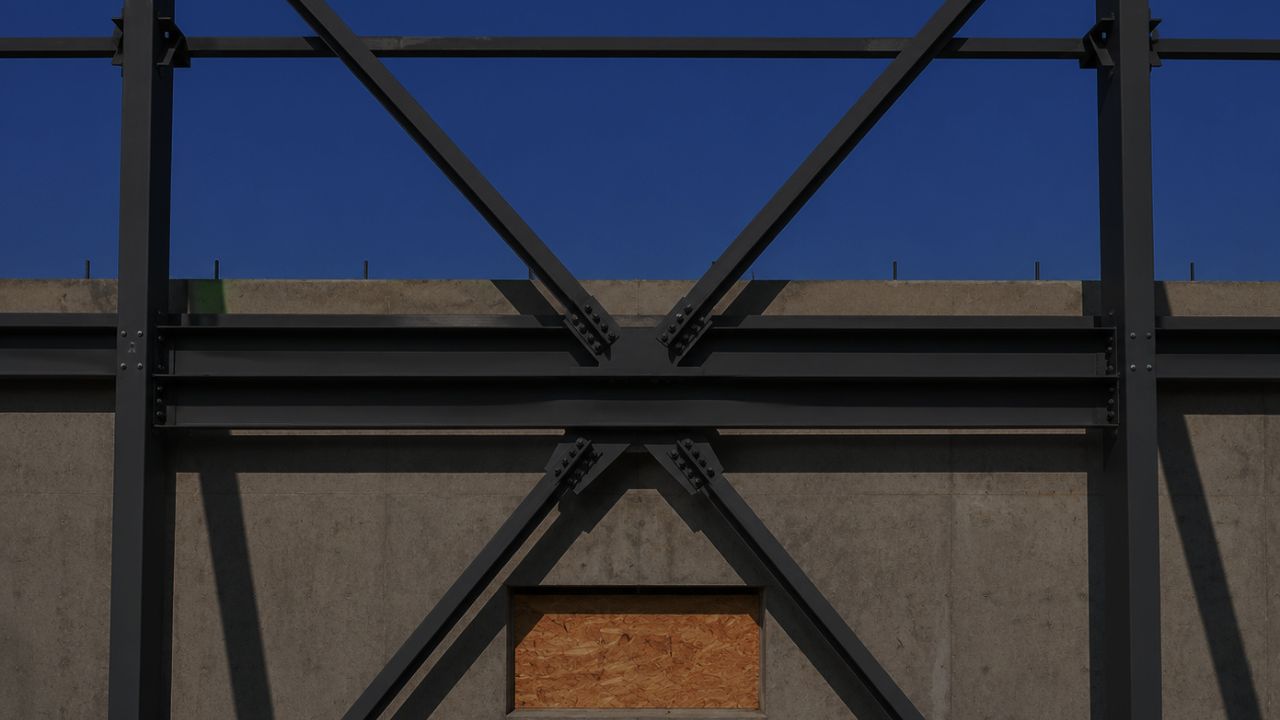
Depending on the building type and deficiencies identified, retrofit solutions mayinclude:
- Steel moment frames
- Steel braced frames
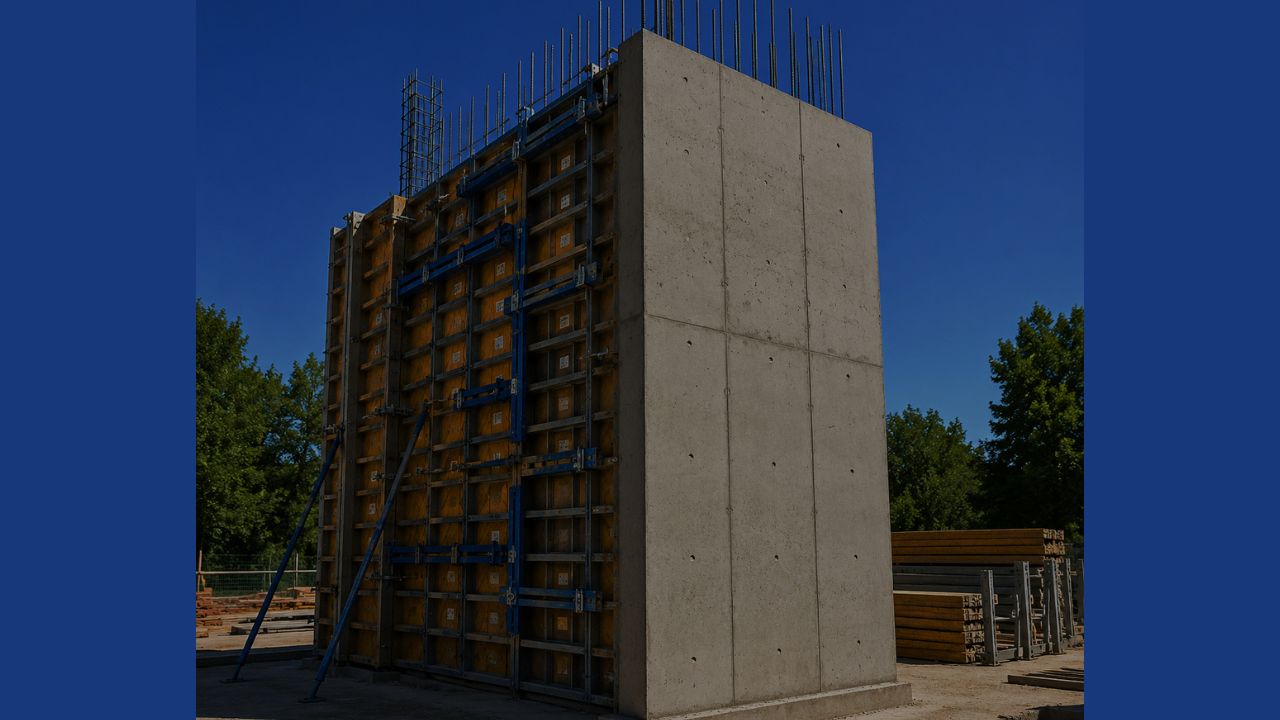
- Shear wall installation
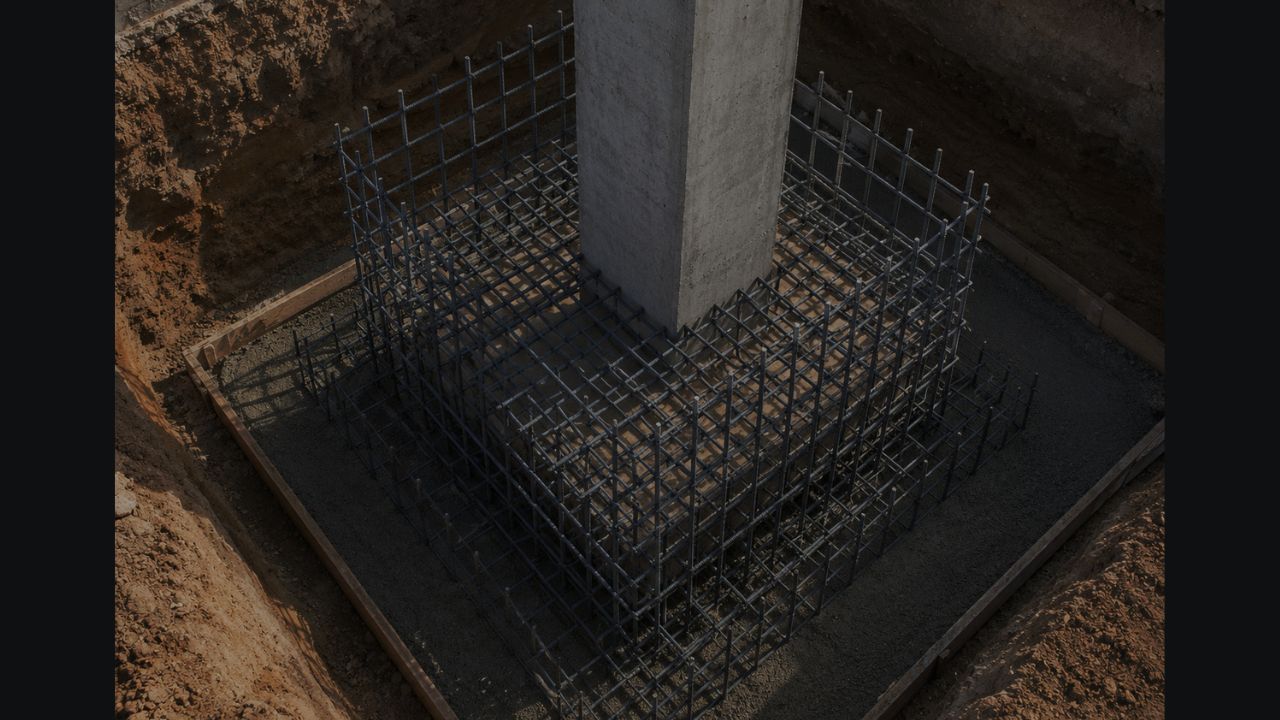
- Foundation strengthening
- Anchor bolt upgrades
- FRP strengthening systems
- Collector and drag strut installation
- Concrete repair and rehabilitation
The appropriate retrofit strategy varies based on the building’s structural configurationand performance objectives.
Why Early Evaluation Is Important
Many seismic deficiencies remain hidden until significant damage occurs. Identifyingvulnerabilities early allows property owners to plan improvements, reduce risk, andpotentially avoid more extensive repairs following an earthquake.
For apartment buildings, commercial properties, parking structures, and HOAcommunities throughout California, proactive seismic assessments can help improvesafety and preserve long-term property value.
Request a Quote
If you own a building in Los Angeles or elsewhere in California and are concerned about potential seismic deficiencies, a professional evaluation can help identify vulnerabilities and develop practical retrofit solutions.
SME Engineering & Construction provides seismic retrofit construction, structural strengthening, concrete repair, and building rehabilitation services throughout Southern California. Our team works with property owners, HOAs, apartment operators, and commercial clients to improve structural performance and seismic resilience.
Contact SME Engineering & Construction today to request a quote or schedule a site visit.
Visit: https://smeconstruct.com/