
Introduction
Concrete is one of the most widely used construction materials, but over time it candeteriorate due to environmental exposure, structural loading, and material deficiencies. InCalifornia, factors such as moisture intrusion, coastal conditions, seismic activity, and aginginfrastructure accelerate concrete damage. Concrete repair is the process of restoringdamaged or deteriorated concrete to maintain structural integrity and ensure safety. At SMEEngineering & Construction, we specialize in concrete repair, structural rehabilitation, andwaterproofing solutions for residential, commercial, and industrial properties.
What Is Concrete Repair?
Concrete repair involves identifying defects and applying appropriate methods to restore thestrength, durability, and functionality of concrete elements such as slabs, balconies, columns,beams, and foundations. Many structures, especially older buildings, experience cracking,corrosion, and surface deterioration that, if left untreated, can lead to more serious structuralissues.
Key Objectives:
- Restore structural capacity and integrity
- Prevent further deterioration and corrosion
- Improve durability and service life
- Maintain safety and code compliance
Common Causes of Concrete Damage
Understanding the root cause of deterioration is critical for selecting the right repair method.
- Corrosion of Reinforcement
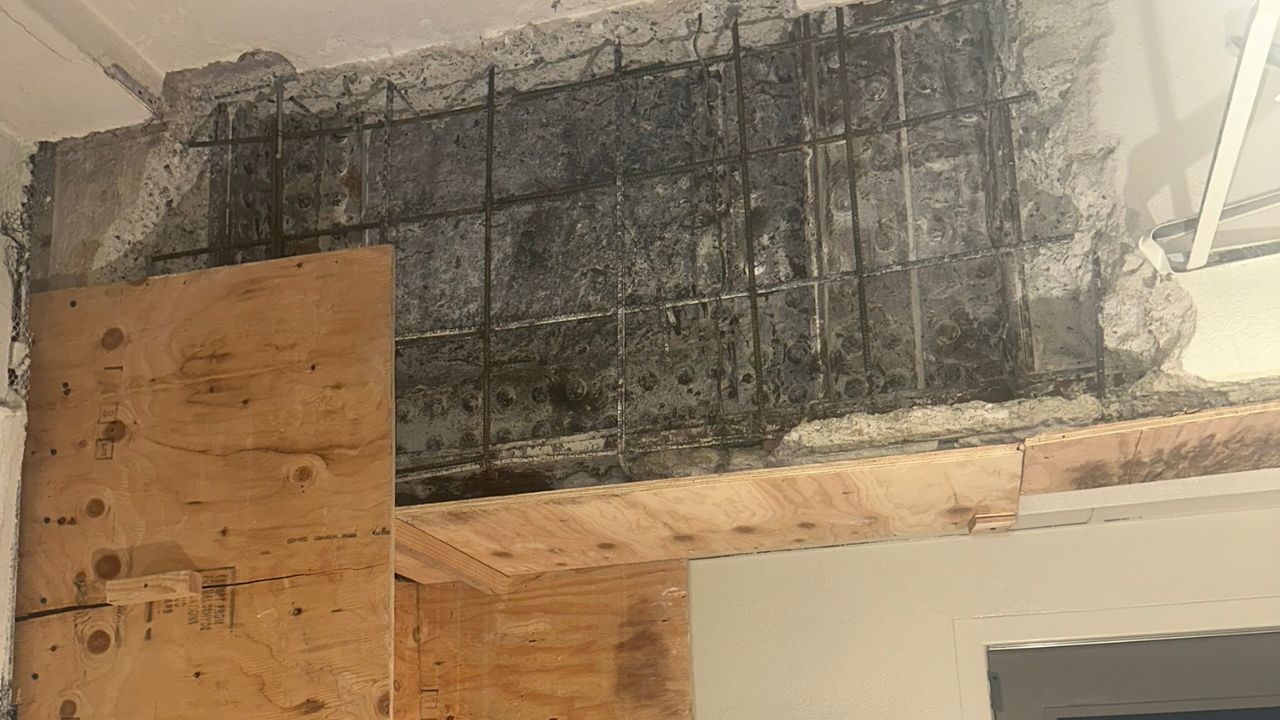
Steel reinforcement corrodes due to moisture and chloride exposure, leading to expansion,cracking, and spalling.
- Water Intrusion
Poor drainage, failed waterproofing, or cracks allow water to penetrate and weaken theconcrete over time.
- Structural Overload
Excessive loads or design deficiencies can lead to cracking and long-term structural distress.
- Poor Construction Practices
Low-quality materials, improper curing, or insufficient reinforcement can result in earlydeterioration.
Common Concrete Repair Terminology


- Spalling
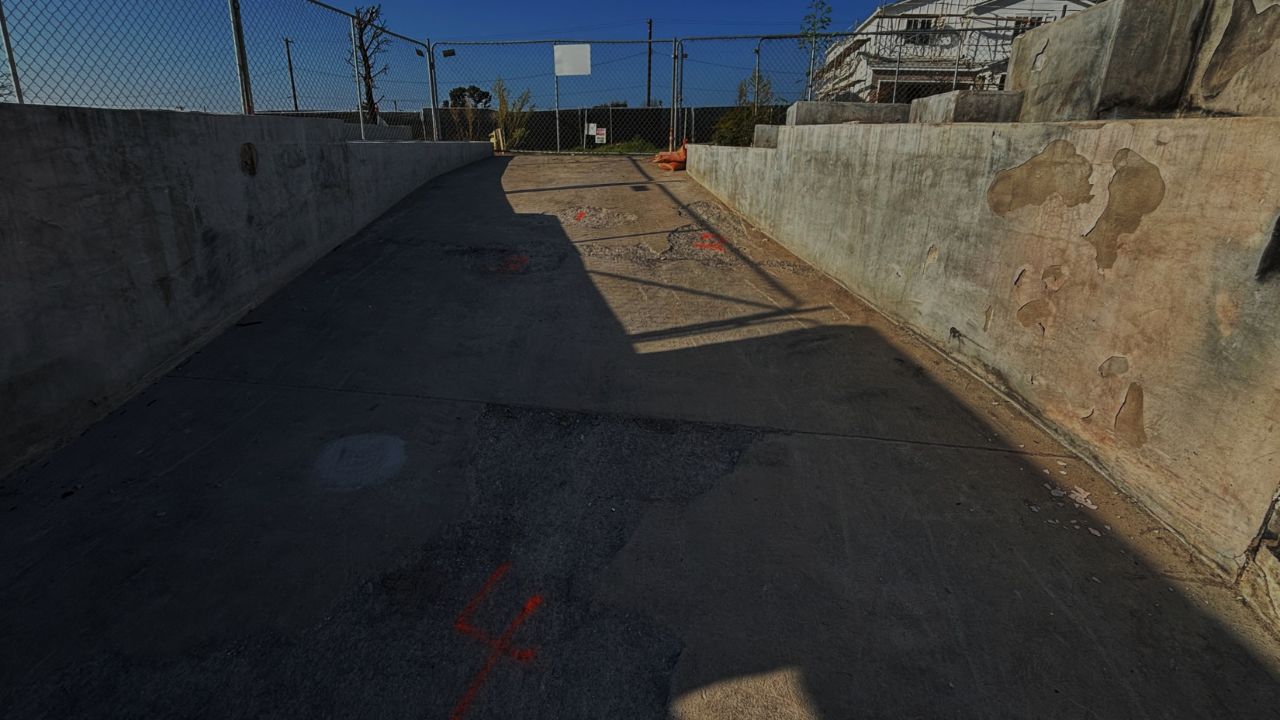
The breaking or flaking of concrete surface due to corrosion or internal pressure.
- Delamination
Separation of concrete layers, often caused by corrosion of embedded reinforcement.
- Crack Injection
A repair method using epoxy or polyurethane to restore structural continuity.
- Shotcrete
Sprayed concrete used to repair or strengthen existing surfaces.
- Half-Cell Potential Testing
A method used to assess the likelihood of corrosion in reinforcing steel.
- Load Path
The path through which structural forces are transferred through a building.
Concrete Repair Methods Used in California
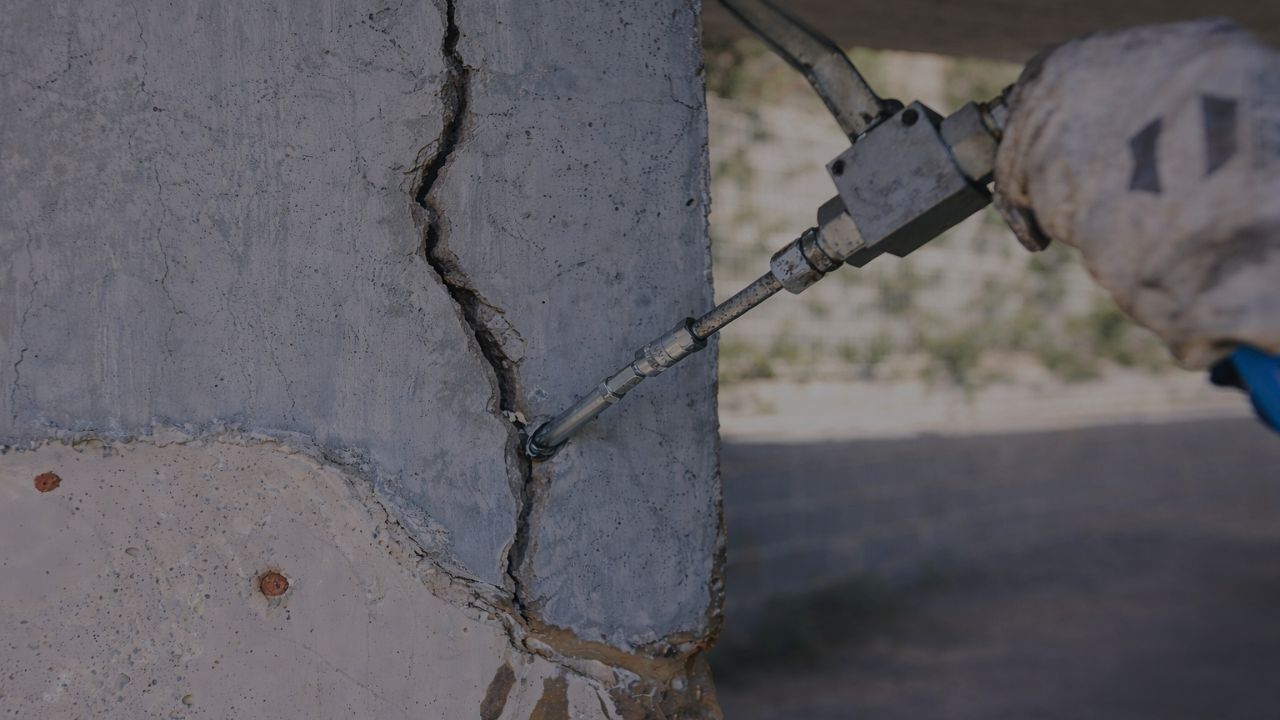
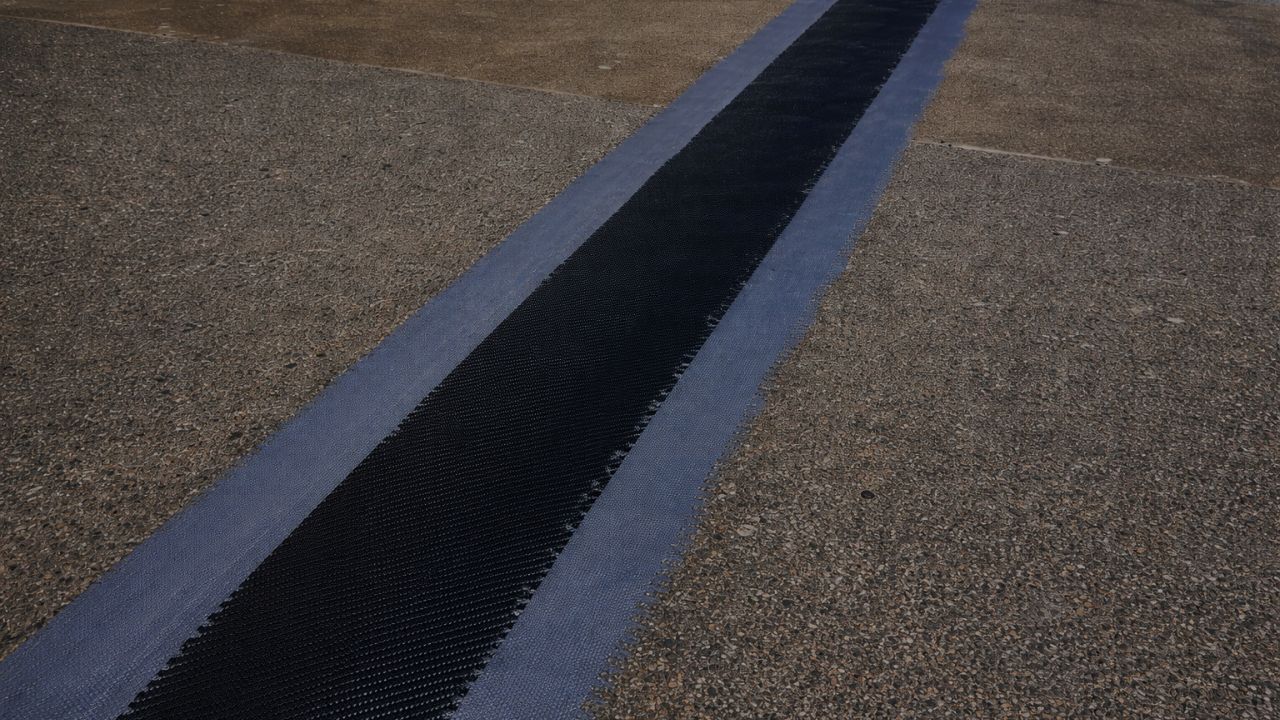
- Crack Repair (Epoxy / Polyurethane Injection)
Used to seal and restore structural cracks. Epoxy is used for structural bonding, whilepolyurethane is used for waterproofing active leaks.
- Concrete Removal & Replacement
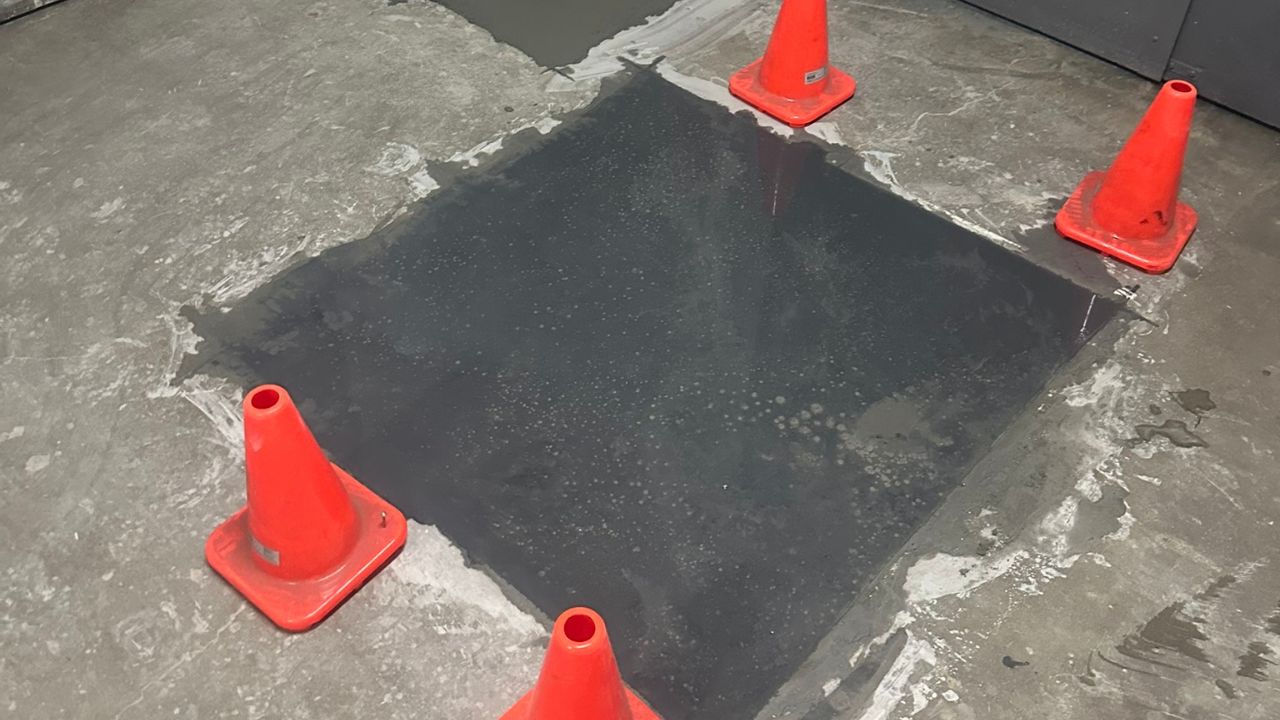
Deteriorated or unsound concrete is removed and replaced with new material to restoreintegrity.
- Rebar Treatment & Corrosion Mitigation
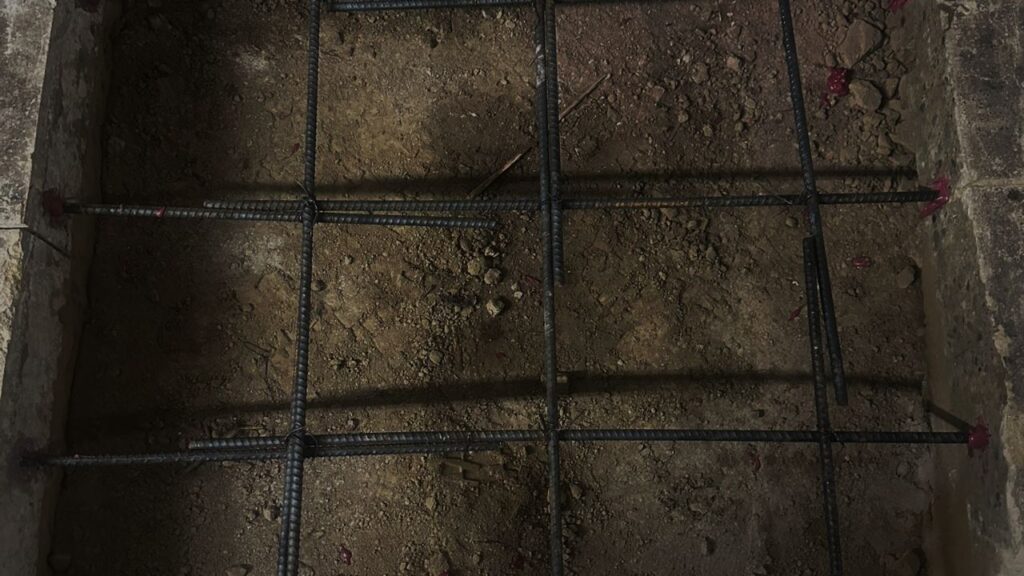
Corroded reinforcement is cleaned, treated, or replaced, and protective coatings are appliedto prevent future corrosion.
- Surface Repair & Patching
Localized repairs using repair mortars to restore damaged areas.
- Structural Strengthening (FRP)
Fiber-reinforced polymer systems are applied to enhance load capacity and performance ofdeficient structural elements.
Advanced Technologies in Concrete Repair
Modern concrete repair incorporates advanced evaluation and repair technologies toimprove accuracy and performance.
Non-Destructive Testing (NDT) methods such as ground-penetrating radar (GPR), ultrasonicpulse velocity (UPV), and impact echo are used to assess internal conditions withoutdamaging the structure. These techniques help identify voids, delamination, andreinforcement layout.
Corrosion testing methods, including half-cell potential surveys and chloride content analysis,provide insight into long-term durability and deterioration mechanisms.
Moisture testing, including in-situ relative humidity (ASTM F2170), is critical for flooringsystems and waterproofing applications to ensure proper adhesion and performance.
Why Concrete Repair Is Critical in California
California has a large inventory of aging buildings exposed to moisture, environmentalpollutants, and seismic activity. Many structures—including balconies, parking structures, andpodium decks—are especially vulnerable to deterioration.
Without timely repair, concrete damage can lead to:
- Structural safety risks
- Increased repair costs
- Water intrusion and interior damage
- Reduced property value
- Potential code violations
Proactive concrete repair is essential to maintain building performance and avoid costlyfuture rehabilitation.
How SME Engineering & Construction Can Help
SME Engineering & Construction provides comprehensive concrete repair solutions tailoredto each project’s condition and requirements. Our services include condition assessments,destructive and non-destructive testing, repair design coordination, and full constructionimplementation.
We specialize in:
- Concrete repair and restoration
- Waterproofing systems (including traffic coatings)
- Balcony and elevated deck repairs
- Corrosion evaluation and mitigation
- Structural strengthening using FRP systems
Our team combines engineering expertise with field experience to deliver durable, cost-effective, and code-compliant solutions throughout California.
Conclusion
Concrete deterioration is inevitable, but with proper evaluation and repair, structures can berestored to perform safely and efficiently for years to come. Modern repair methods andtechnologies provide reliable solutions for even complex conditions. For property owners inCalifornia, early detection and timely repair are key to minimizing damage, reducing costs,and protecting long-term investments.