
Concrete cracks are common in both residential and commercial structures. Whilesome cracks are primarily cosmetic, others may indicate structural movement ordeterioration that requires repair. Choosing the correct repair method depends on thetype of crack, its cause, and whether the crack affects the structural performance of theconcrete.
Two of the most widely used repair techniques are epoxy injection and routing andsealing. Although both methods address cracking, they serve different purposes and arenot interchangeable.
Understanding Concrete Cracks
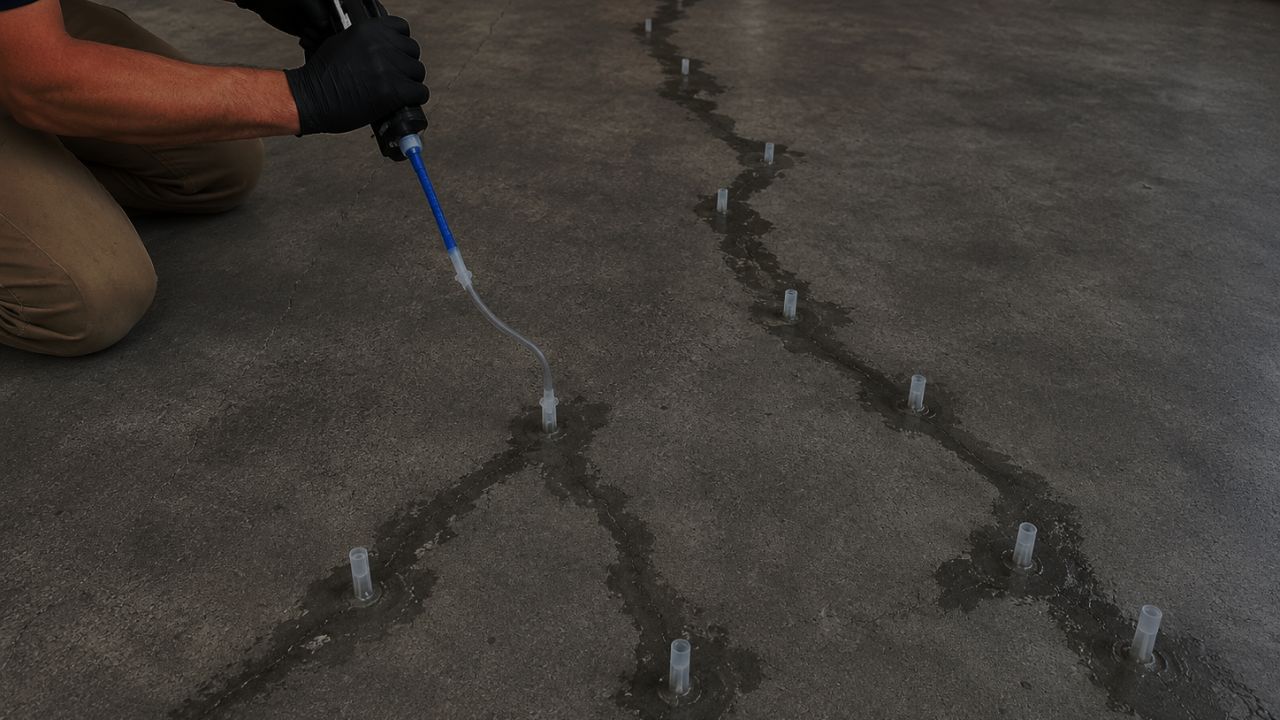
Epoxy injection is a structural repair method used to restore continuity across a crack inreinforced concrete. A low-viscosity epoxy resin is pressure-injected into the crack,filling internal voids and bonding the concrete back together.
Epoxy injection is commonly used for:
- Structural wall cracks
- Concrete beams
- Columns
- Foundations
- Suspended slabs
- Parking structures
- Bridges
When properly installed, epoxy injection can restore much of the original structuralintegrity of the cracked concrete.
What Is Routing and Sealing?
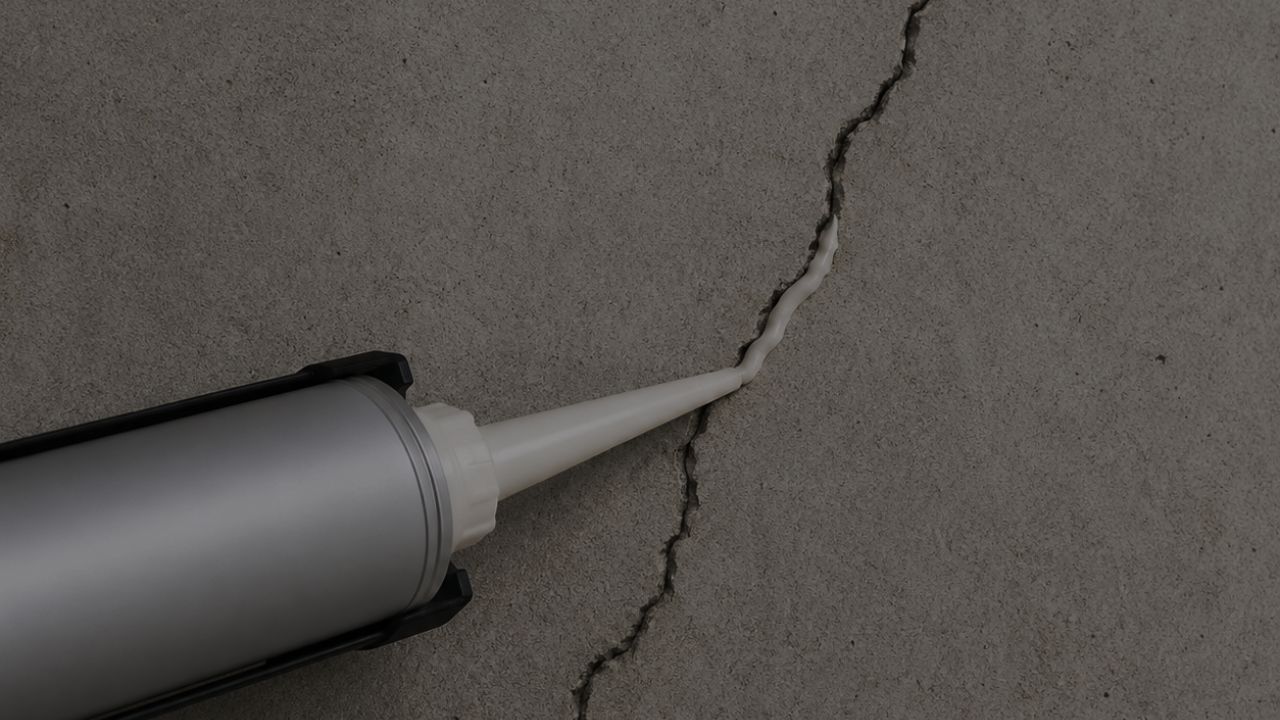
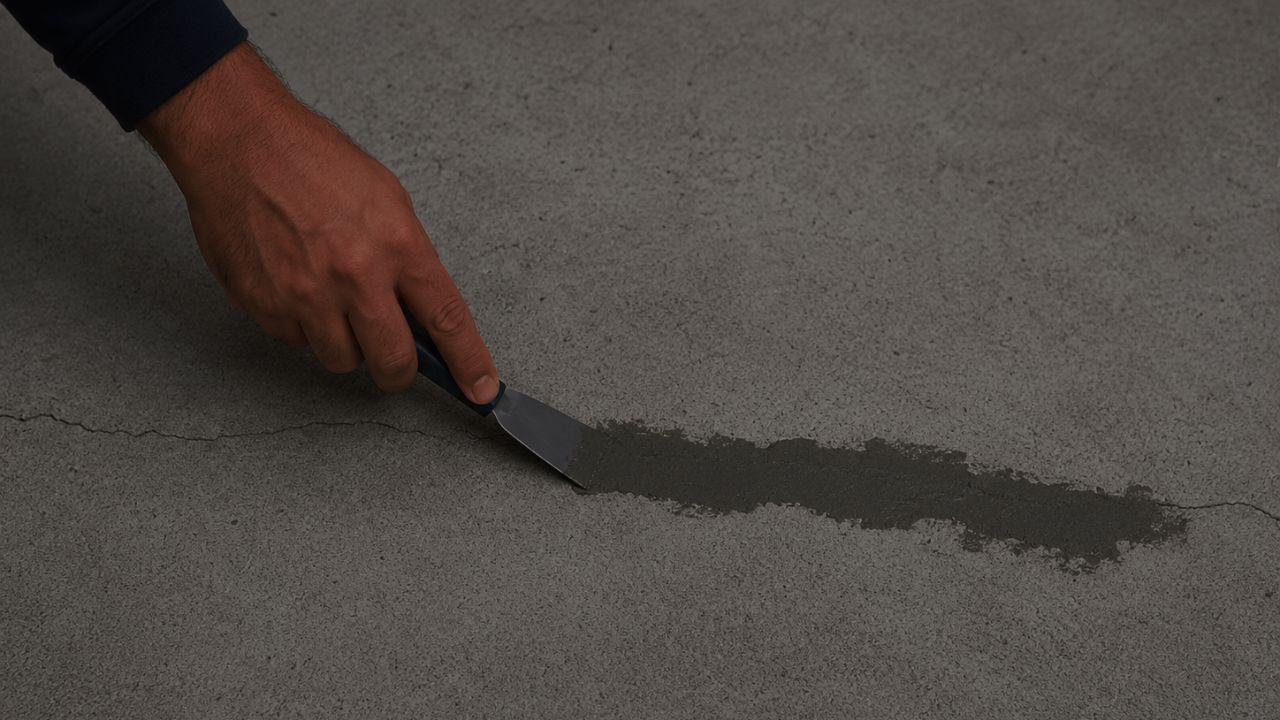
Routing and sealing is a surface repair technique designed to prevent moisture anddebris from entering non-structural cracks. The crack is first enlarged into a uniformgroove, then filled with a flexible sealant that accommodates minor movement.
This method is commonly used for:
- Sidewalks
- Pavements
- Driveways
- Concrete slabs-on-grade
- Exterior walls
- Control joints
- Non-structural surface cracks
Unlike epoxy injection, routing and sealing does not restore structural strength. Itsprimary purpose is to protect the concrete from water intrusion and environmentaldeterioration.
Key Differences Between the Two Methods
Although both techniques repair cracks, they are intended for different conditions.
- Epoxy Injection
- Restores structural continuity
- Bonds cracked concrete together
- Used for dormant structural cracks
- Fills internal voids
- Requires dry crack conditions
- Often performed under engineering supervision

- Routing and Sealing
- Prevents water intrusion
- Accommodates minor movement
- Used for non-structural cracks
- Protects against weathering
- Suitable for exterior exposure
- Does not increase structural capacity

Selecting the wrong repair method may result in prematurefailure or continued deterioration.
Which Method Is Better?
Neither method is always better and the appropriate repair depends on the condition ofthe concrete.
Epoxy injection is generally recommended when the crack affects structuralperformance, and the concrete requires restoration of its original strength.
Routing and sealing is typically preferred when the crack is cosmetic or when preventingmoisture intrusion is the primary objective.
In some cases, additional structural repairs may be necessary before either repairmethod is performed.
When Additional Repairs Are Needed
Cracks are often symptoms rather than the primary problem. If cracking results fromcorrosion, settlement, water intrusion, or structural movement, those underlying issuesshould also be addressed.
Additional repairs may include:
- Reinforcing steel repair
- Concrete removal and replacement
- Waterproofing improvements
- Drainage corrections
- Structural strengthening
- Carbon fiber reinforcement
- Joint repairs
Treating the underlying cause helps reduce the likelihood of future cracking.
Why Professional Evaluation Is Important
Not every crack requires structural repair, and not every structural crack can be repairedwith epoxy injection. Experienced engineers evaluate:
- Crack width and depth
- Structural significance
- Moisture conditions
- Crack activity
- Reinforcement corrosion
- Load requirements
- Overall condition of the structure
This evaluation helps determine the most appropriate repair strategy and whetheradditional investigation is necessary.
Choosing the Right Repair Solution
Every concrete structure is different. A successful repair considers not only the visiblecrack but also the condition of the surrounding concrete, reinforcing steel, waterproofingsystem, and structural elements.
Professional evaluation allows property owners to select repair methods that addressboth immediate concerns and long-term durability. Properly designed repairs helpextend the service life of concrete structures while reducing future maintenance costs
Conclusion
Epoxy injection and routing and sealing are both effective concrete crack repairmethods, but they serve different purposes. Epoxy injection is intended to restorestructural continuity in dormant structural cracks, while routing and sealing helpsprotect non-structural cracks from moisture intrusion and environmental exposure.
Determining the correct repair method begins with understanding why the crackdeveloped. A professional evaluation can identify the underlying cause, recommend themost appropriate repair strategy, and help ensure the long-term performance and safetyof the structure.
Get a Quote
Whether your project involves structural crack repair, waterproofing improvements, or concrete rehabilitation, SME Engineering & Construction provides comprehensive repair solutions for commercial, multifamily, and institutional properties throughout California. Our experienced team evaluates existing concrete conditions, identifies the underlying causes of cracking, and performs durable repairs using industry-recognized methods and high-quality materials.
From localized crack repairs to large-scale structural rehabilitation projects, we work closely with property owners, engineers, and property managers to restore the safety, durability, and long-term performance of concrete structures.
Contact SME Engineering & Construction today to schedule a consultation and receive a detailed proposal for your concrete repair project.
Visit: https://smeconstruct.com/