
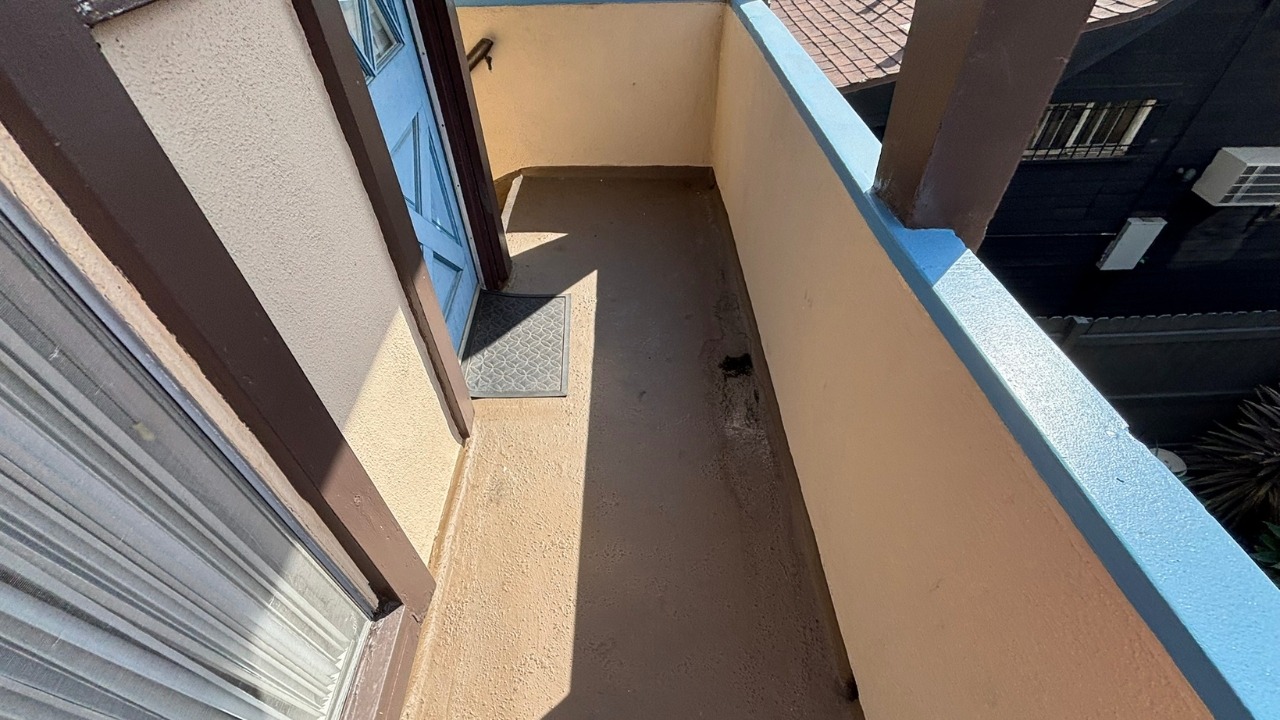
If your HOA governs a condominium building with three or more units and someone on the board is quietlyhoping nobody asks about the balcony inspection, that gamble stopped paying off on January 1, 2025. That’swhen the SB 326 balcony inspection deadline for California condominium associations passed with noextension, no grace period, and, unlike the companion law for apartment buildings, no second date built intothe statute.
If your association hasn’t completed one, you’re not approaching a deadline. You’re already out ofcompliance, and the consequences are showing up faster in insurance renewals than in courtrooms.
What the SB 326 Balcony Inspection Requirements Actually Cover
SB 326 was signed into law in 2019 as Civil Code Section 5551, folded into the Davis-Stirling Common Interest Development Act. It was written alongside SB 721, which covers rental apartment buildings, but the two laws split down the middle of ownership structure: SB 721 is the landlord’s problem, SB 326 is the HOA board’s problem. That distinction matters because it puts the compliance obligation and the personal liability on the shoulders of volunteer board members, not on individual unit owners.
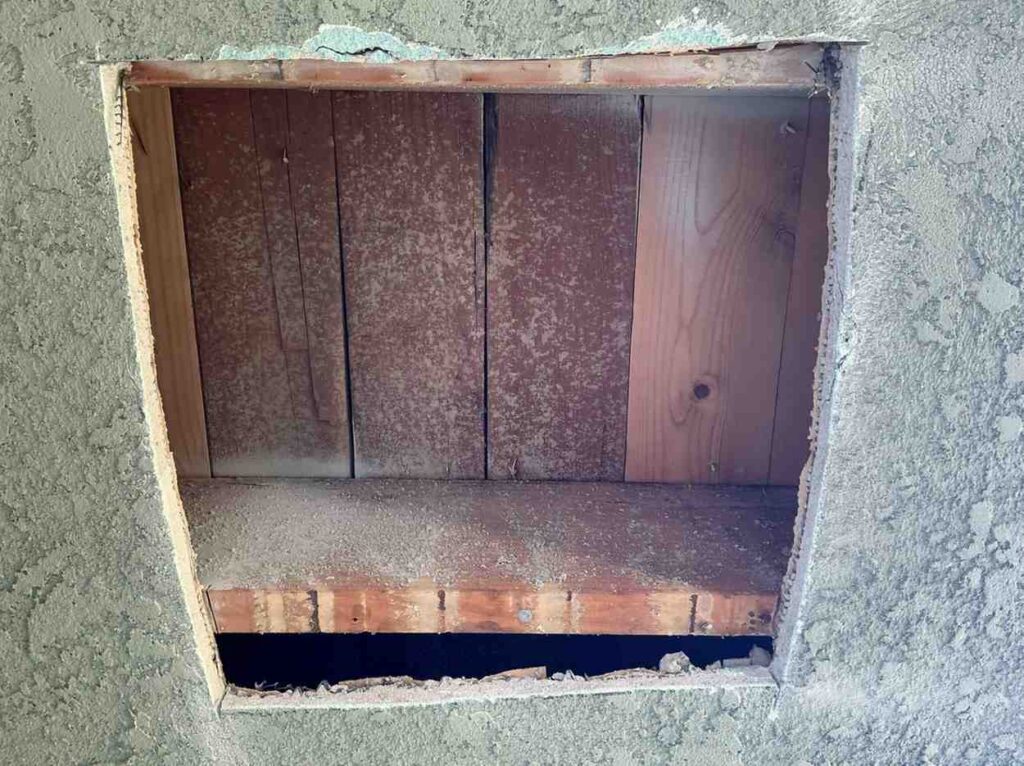
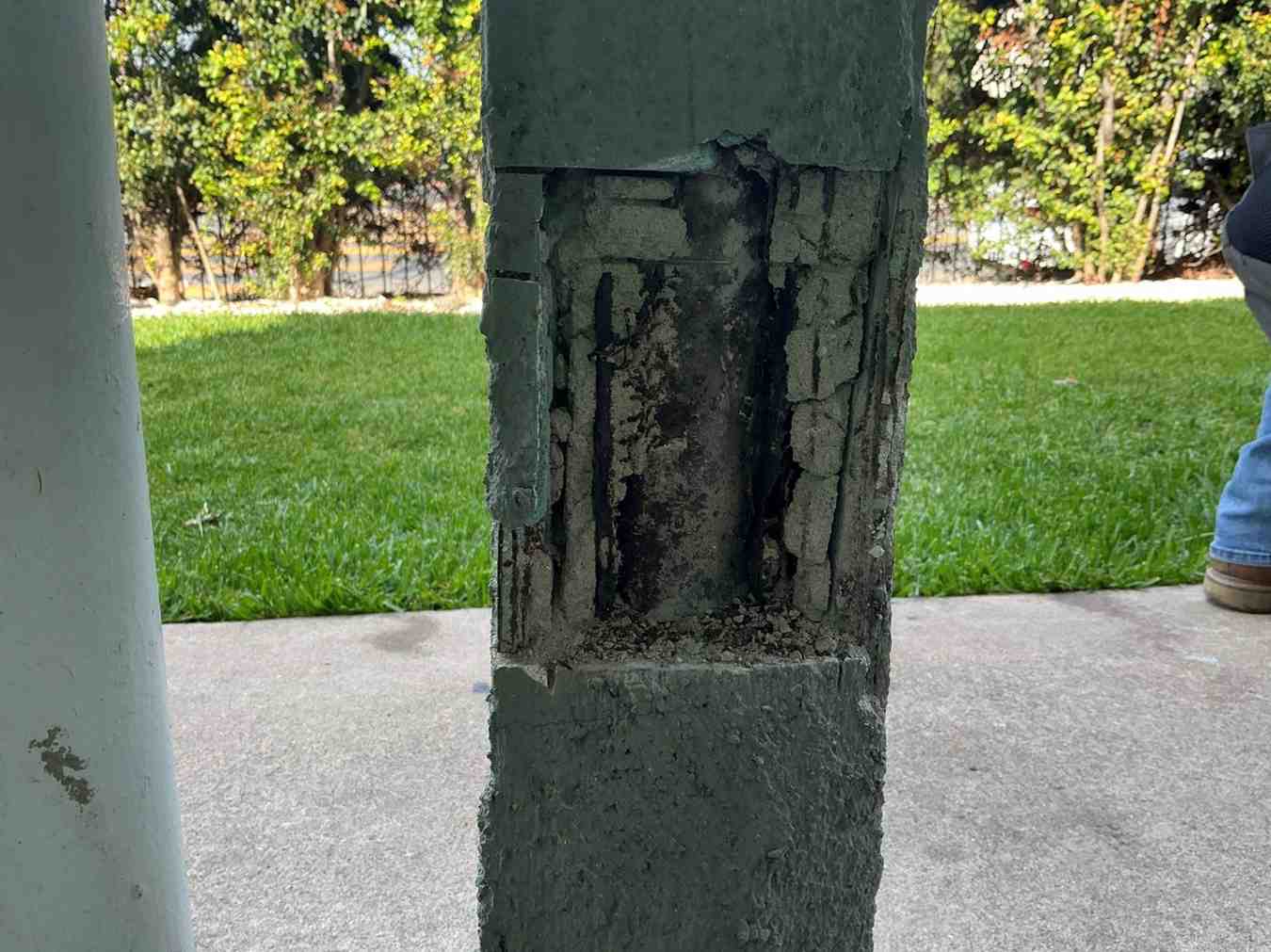
The law was a direct response to a real failure: a fourth-floor balcony collapse at a Berkeley apartment complex in 2015 that killed several people and was traced back to years of hidden water damage in structural wood framing. Lawmakers didn’t want that kind of decay sitting invisible behind stucco and paint for another decade, so they mandated periodic, documented inspection of the elements most likely to hide it.
Which Buildings and Elements Are Covered
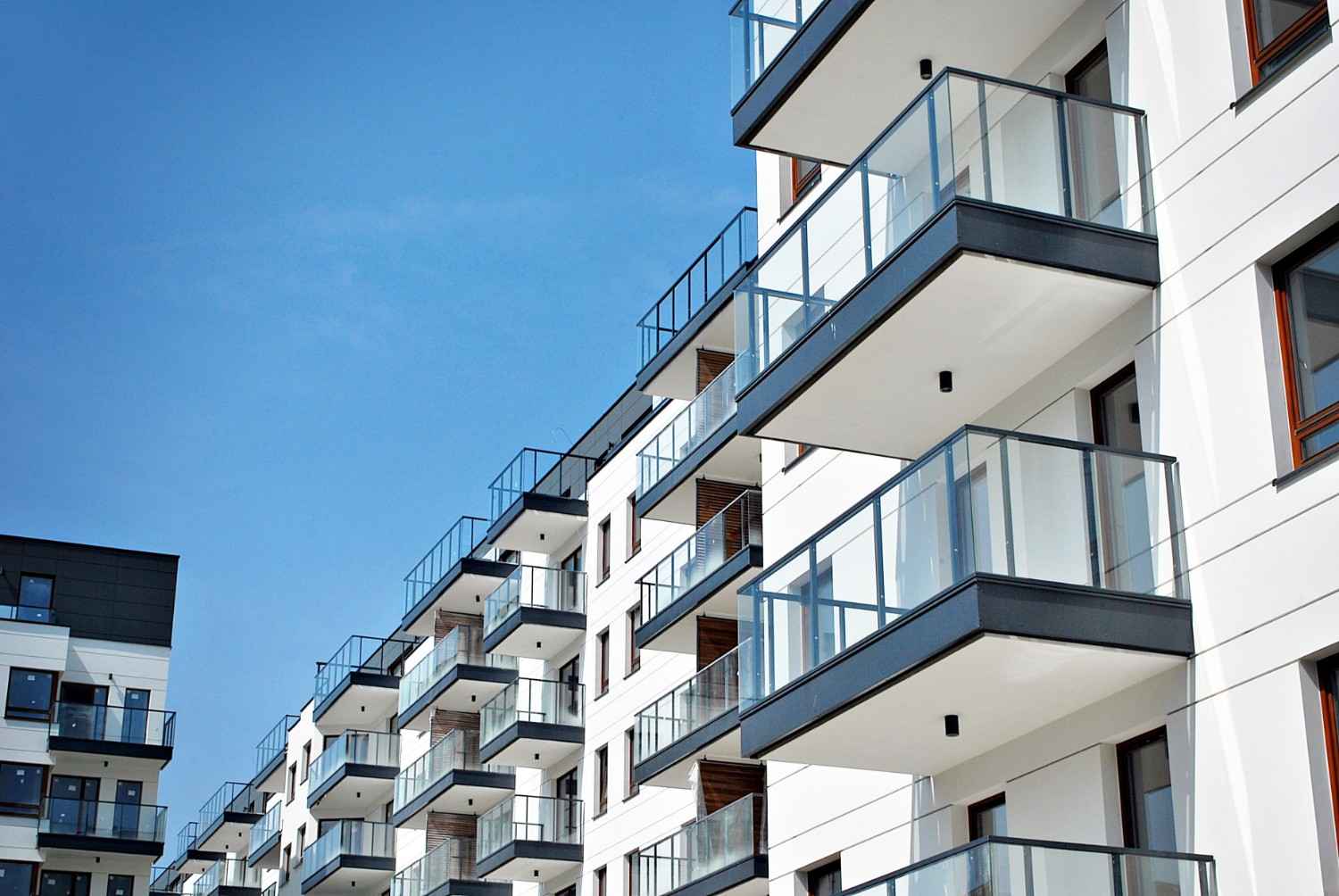
SB 326 applies to condominium associations and other common interest developments with three or more units, where the building includes exterior elevated elements — balconies, decks, exterior stairways, walkways, corridors, and their attached railings or guardrails, that sit six feet or more above the ground and rely substantially on wood or wood-based framing for structural support, along with the waterproofing system protecting that framing.
Elements built entirely from steel, concrete, or masonry generally fall outside SB 326’s scope, though they can still carry separate maintenance duties under Davis-Stirling.
Who's Legally Allowed to Inspect and Who Isn't
This is where boards most often get tripped up. SB 326 sets a higher bar than SB 721: only a licensed structural engineer, a licensed architect, or — since AB 2114 expanded the list — a licensed civil engineer may perform the inspection.
A general contractor cannot, even one holding a broad license and years of relevant field experience. Associations that hired a contractor for what they believed was an SB 326 inspection may need to redo the work with a qualified engineer or architect, which means redoing the cost and the timeline too.
How the Inspection and Reporting Actually Works
The sampling requirement is stricter than most boards expect. Inspectors must reach a 95% confidence level with no more than a 5% margin of error — a statistically rigorous standard that, on a property with a large number of balconies, can mean physically examining half of them or more, not the flat 15% minimum that satisfies SB 721.
That’s the main reason SB 326 inspections tend to cost more: real-world figures for a mid-size condominium complex generally land somewhere between $15,000 and $50,000, sometimes higher, depending on unit count and how many distinct EEE types are on the property.
Once the report is in hand, the obligations don’t stop there. The board has to review the findings at an open meeting, then distribute a written summary to every unit owner within 15 days of that meeting. Records need to be kept for two full inspection cycles — 18 years, given SB 326’s nine-year recurring schedule. And under the related Civil Code Section 5550, whatever the inspection turns up has to be folded into the association’s reserve study, so the funding for any needed repairs shows up in the numbers owners actually see.
If an inspector flags an immediate safety hazard, the board’s obligation becomes urgent rather than administrative: restrict access to the affected area and arrange repairs without delay. The statute doesn’t hand SB 326 a fixed repair window the way SB 721 gets its 120 days, but that’s not a loophole — unreasonable delay after a known hazard is exactly the kind of fact pattern that turns into a negligence claim later.
What Happens If Your HOA Still Hasn't Complied
The most immediate pressure right now isn’t coming from code enforcement — it’s coming from insurance carriers. A growing number of them are requiring proof of a completed SB 326 inspection before they’ll issue or renew a policy at all. Associations that can’t produce one have reported premium increases as steep as 300%, and some carriers are simply declining to quote coverage. Even where coverage exists, an EEE-related claim after a failure is a strong candidate for denial if the association skipped the inspection it was legally required to complete.
For board members personally, the exposure is separate and more direct. Davis-Stirling imposes a fiduciary duty to maintain common-area components, and ignoring a mandatory safety statute is hard to square with that duty. The business judgment rule protects good-faith decisions, not the decision to do nothing about a known legal requirement — and D&O insurance doesn’t reliably cover willful non-compliance.
Local building departments can also pursue their own enforcement, though the specifics of civil penalties vary by jurisdiction rather than following one fixed statewide schedule, so it’s worth checking with local code enforcement rather than assuming a number.
The Nine-Year Clock Starts Now
For associations that met the original January 1, 2025 deadline, the next SB 326 inspection isn’t due until January 1, 2034. That’s a long runway, but it’s also long enough for boards to lose track of it entirely which is exactly what happened with the 2025 deadline for plenty of associations that assumed it had been pushed back like SB 721’s was.
The practical move is to calendar the next cycle now, 12 to 18 months ahead of the real deadline, so there’s time to select a qualified engineer or architect, schedule the work, and budget for repairs before the reserve study needs to reflect them.
If your board still hasn’t completed its Balcony Inspection, the honest first step is getting a licensed structural engineer or architect on the calendar — firms with dedicated inspection and compliance experience, including SME Engineering and Construction, can usually scope the sampling requirement and rough out cost before any contract is signed. The gap between “we know we need this” and “it’s scheduled” is where most of the liability actually sits.
Conclusion
SB 326 isn’t just another compliance requirement—it’s a long-term safety obligation for California condominium associations. With the original January 1, 2025 deadline already behind us, HOAs that haven’t completed their Balcony Inspection are operating out of compliance and exposing themselves to higher insurance costs, potential liability, and avoidable safety risks.
Scheduling a qualified Balcony Inspection now, addressing any hazards promptly, and planning for the next nine-year cycle will keep your association compliant while protecting both residents and the property’s long-term value. For boards that haven’t started yet, acting today is far less costly than dealing with the consequences of waiting.