
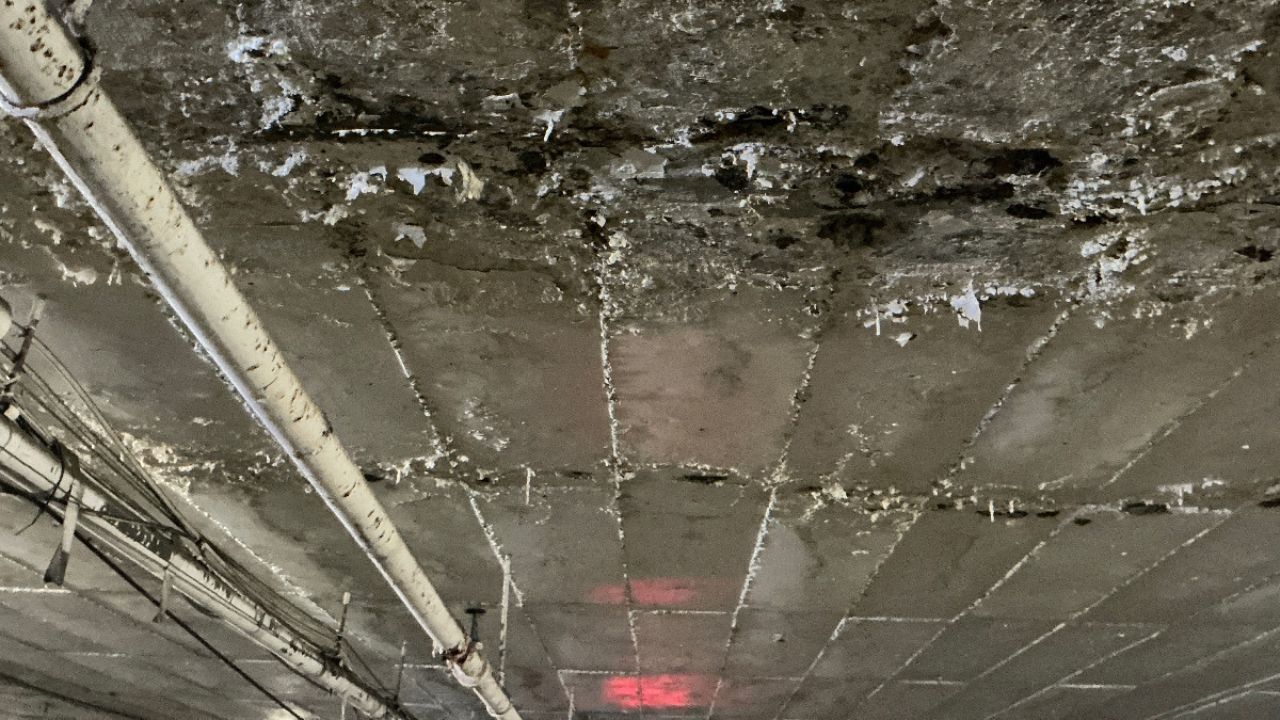
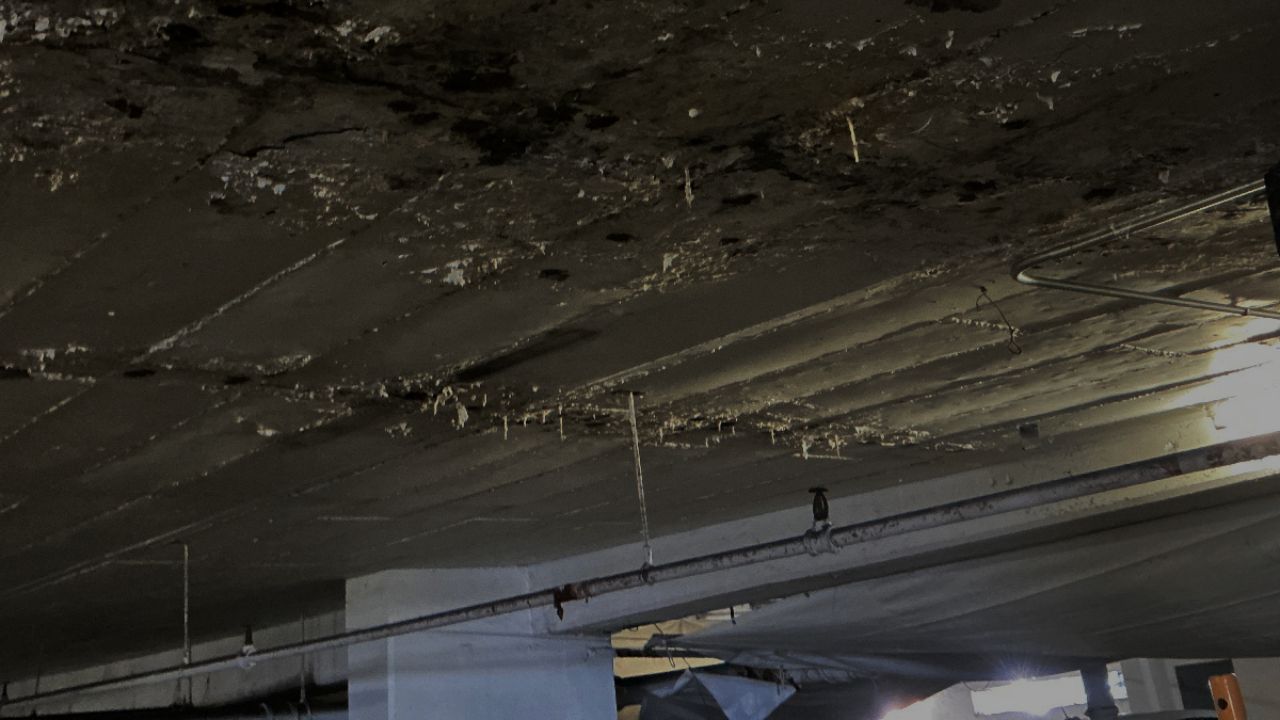
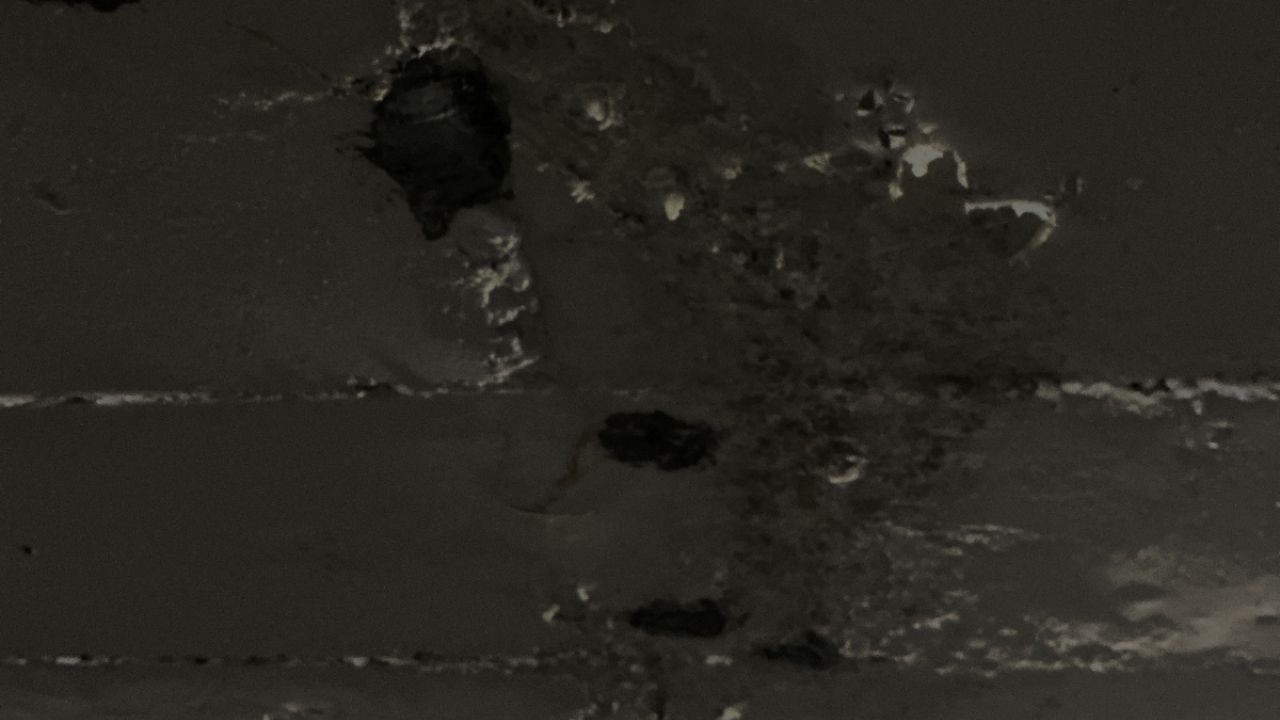
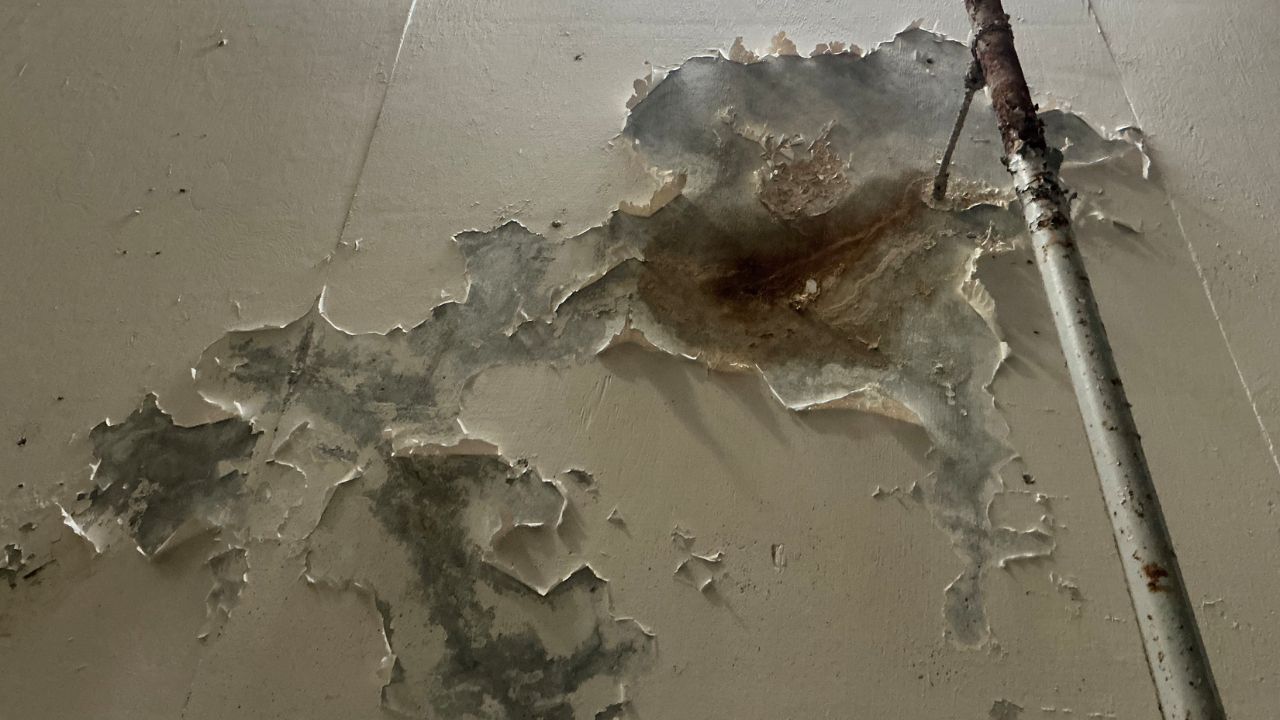
Concrete spalling is one of the most common forms of deterioration observed in parkingstructures, balconies, walkways, podium decks, and commercial buildings throughoutCalifornia. Spalling occurs when sections of concrete crack, delaminate, or break awayfrom the surface, often exposing reinforcing steel beneath.
If left unaddressed, concrete spalling can lead to structural deterioration, waterintrusion, corrosion, and costly repairs.
What Is Concrete Spalling?
Concrete spalling typically appears as:
- Surface flaking or chipping
- Cracked or hollow-sounding concrete
- Delaminated concrete areas
- Rust staining on concrete surfaces
- Exposed reinforcing steel
- Loose or deteriorated concrete sections
Spalling can range from minor cosmetic damage to significant structural deteriorationdepending on the severity and underlying cause.
Corrosion of Reinforcing Steel
One of the leading causes of concrete spalling is corrosion of embedded reinforcingsteel.
When moisture, oxygen, and contaminants reach the reinforcing steel, corrosion beginsto develop. As steel corrodes, it expands significantly in volume, creating internalpressure within the concrete. This pressure eventually causes cracking, delamination,and surface spalling.
- Common contributors to reinforcing steel corrosion include:
- Water intrusion
- Failed waterproofing systems
- Chloride contamination
- Poor drainage
- Coastal exposure
- Long-term moisture exposure

Water Intrusion and Waterproofing Failure
Water intrusion is a major contributor to concrete deterioration in balconies, parkingstructures, and elevated slabs.
Failed waterproofing membranes, cracked sealants, poor flashing details, andinadequate drainage allow moisture to penetrate the concrete system over time.
Repeated moisture exposure accelerates:
- Common contributors to reinforcing steel corrosion include:
- Reinforcing steel corrosion
- Freeze-thaw deterioration
- Concrete cracking
- Surface delamination

Modern waterproofing systems help protect concretestructures from long-term moisture-related damage.
Chloride Contamination
Chlorides from coastal environments, deicing salts, or contaminated materials canpenetrate concrete and initiate corrosion of reinforcing steel.
Once chlorides reach the reinforcement level, corrosion activity may accelerate rapidlyeven when visible damage is still limited.
Common sources of chloride exposure include:
- Common sources of chloride exposure include:
- Ocean air and marine environments
- Parking structures
- Pool deck areas
- Long-term moisture exposure

Laboratory testing such as acid-soluble chloride testing iscommonly performed to evaluate contamination levels withinconcrete.
Carbonation of Concrete
Concrete naturally maintains a high pH environment that protectsreinforcing steel from corrosion. Over time, carbonation reducesthe alkalinity of the concrete as carbon dioxide penetrates thematerial.
When carbonation reaches the reinforcing steel depth, theprotective environment surrounding the steel may becompromised, increasing the likelihood of corrosion and spalling.
Carbonation testing is often performed during condition assessments to evaluatethe depth of pH reduction within concrete.

Poor Drainage Conditions
Improper drainage allows water to pond on concrete surfaces forextended periods, significantly increasing moisture exposure anddeterioration risk.
- Common drainage-related issues include:
- Insufficient slope
- Clogged drains
- Improper flashing
- Low areas that collect water
- Failed expansion joints
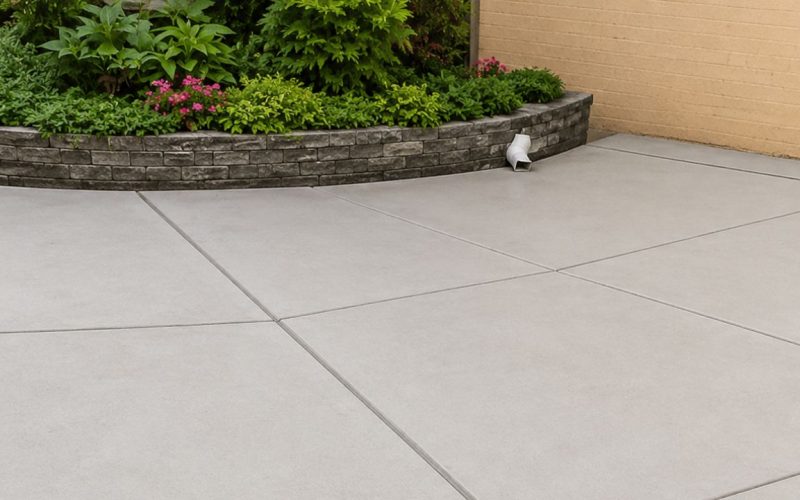
Positive drainage is critical for long-term durability of balconies,
walkways, and parking decks.
Inadequate Concrete Cover
Concrete cover refers to the thickness of concrete protecting reinforcing steel.
If reinforcing steel is placed too close to the surface, moisture and contaminants can more easily reach the steel, accelerating corrosion and concrete deterioration.
Older structures and poorly constructed systems are especially vulnerable to insufficient concrete cover issues.

Structural Movement and Cracking
- Concrete naturally experiences movement due to:
- Thermal expansion and contraction
- Structural loading
- Seismic activity
- Shrinkage
When cracks develop, moisture can penetrate deeper into thestructure and accelerate internal deterioration. Without proper repair and waterproofing, cracking often leads toprogressive spalling damage.

How Concrete Spalling Is Evaluated
Concrete spalling investigations may include:
- Visual assessments
- Sounding and chain-drag testing
- Ground Penetrating Radar (GPR)
- Half-cell potential testing
- Concrete core extraction
- Chloride testing
- Carbonation testing
- Compressive strength testing
These evaluations help determine the extent of deterioration and appropriate repairrecommendations.



Repairing Concrete Spalling
Repair methods vary depending on the severity of deterioration and structuralconditions. Typical repairs may include:
- Removal of deteriorated concrete
- Reinforcing steel cleaning or replacement
- Corrosion mitigation
- Concrete repair and patching
- Waterproofing installation
- Drainage improvements
- Protective coating system
Proper surface preparation and moisture protection are essential for long-term repairperformance.
Conclusion
Concrete spalling is often a sign of underlying moisture intrusion, corrosion, or structural deterioration. Early identification and repair can help prevent larger structural issues and extend the service life of concrete buildings and parking structures.
SME Engineering & Construction provides concrete repair, waterproofing, structural strengthening, and seismic retrofit services throughout Southern California.
Get a Consultation
If you have noticed cracking, rust staining, delaminated concrete, exposed reinforcing steel, or other signs of concrete deterioration, early evaluation can help prevent more extensive repairs and protect the long-term performance of your structure.
SME Engineering & Construction provides concrete repair, waterproofing, structural strengthening, balcony repair, and seismic retrofit services throughout Southern California.
Our team can assess the condition of your structure, identify the causes of deterioration, and develop practical repair solutions tailored to your property.
Contact SME Engineering & Construction today to request a quote or schedule a site visit.
We are available to assist apartment owners, HOAs, commercial property managers, and building owners with concrete repair and waterproofing projects of all sizes.
Visit: https://smeconstruct.com/