
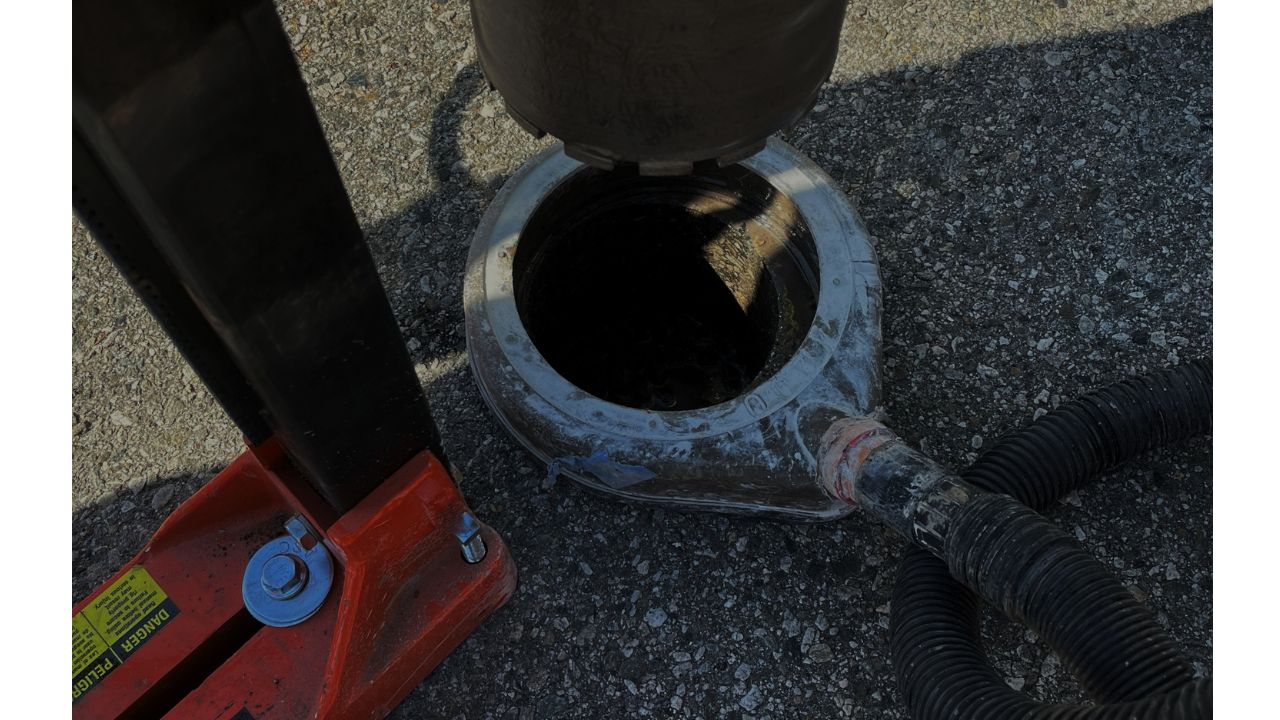
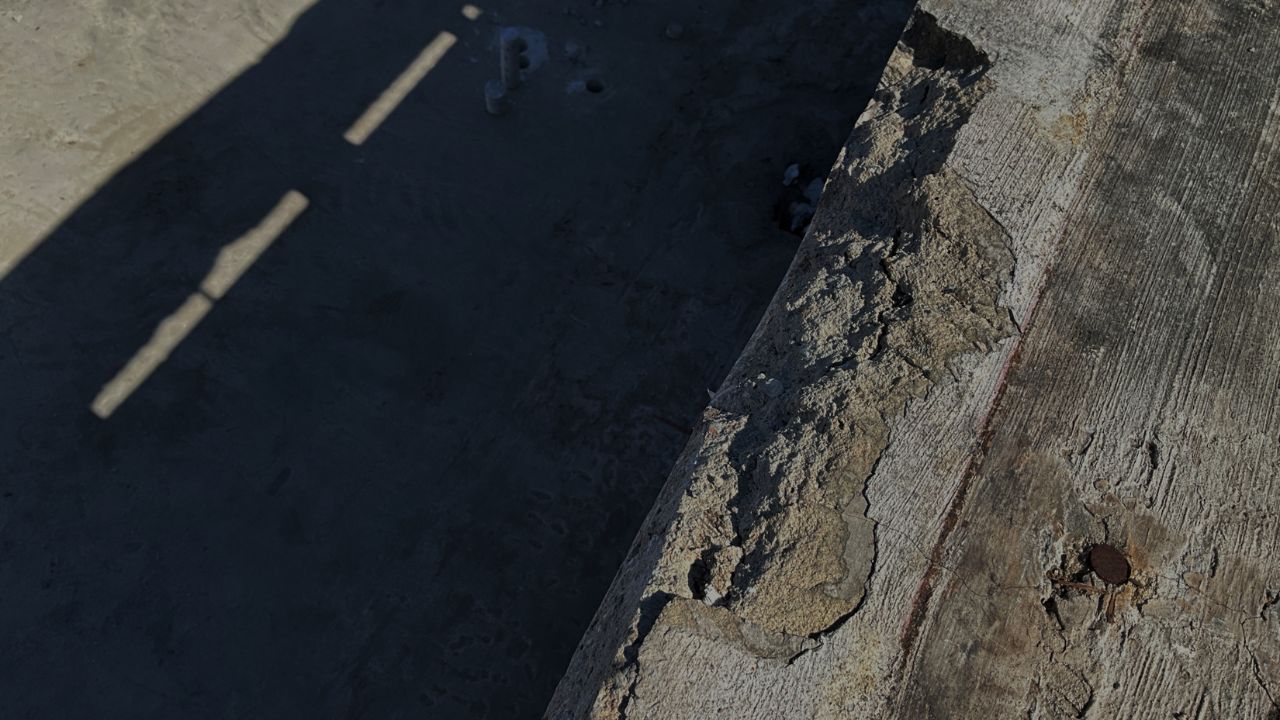
Concrete can look strong from the outside while having cracks, voids, honeycombing, or other irregularities inside. This is why visual inspection alone may not provide enough information about the actual condition of a concrete structure. Ultrasonic Pulse Velocity (UPV) Testing is a Non-Destructive Testing (NDT) technique that helps engineers assess concrete without causing significant damage.
For SME Engineering and Construction, UPV testing can support structural inspections, quality assessment, and maintenance decisions for existing concrete structures.
Why Is UPV Testing Important?
The quality of concrete is influenced by factors such as mix design, compaction, curing, age, and internal defects. Some problems may not be visible on the surface but can affect the performance of a structure.
UPV testing provides information about the internal uniformity of concrete by measuring how quickly an ultrasonic pulse travels through it. Differences in pulse velocity can help identify areas that may require closer examination.
It is especially useful when engineers need to investigate an existing structure while keeping damage to a minimum.
How Is the UPV Test Performed?
The testing process is relatively simple. An ultrasonic pulse velocity instrument is connected to two transducers. One transducer transmits an ultrasonic pulse through the concrete, while the other receives it.
The equipment records the time required for the pulse to travel between the two points. Using the known distance between the transducers, the pulse velocity is calculated.
Before testing, the concrete surface is generally cleaned and prepared to achieve proper contact between the transducers and the concrete.
What Do UPV Results Tell Engineers?
UPV results can help engineers understand variations in concrete quality and uniformity. Areas showing significant differences in pulse velocity compared with surrounding concrete may indicate possible internal irregularities.
Depending on the test conditions, UPV can help investigate:
- Internal cracks
- Voids and honeycombing
- Poorly compacted concrete
- Concrete uniformity
- Internal discontinuities
- Areas requiring further investigation
It is important to remember that UPV results are influenced by several factors, including moisture, aggregate type, temperature, path length, and surface condition. Therefore, results should be interpreted by experienced professionals rather than considered in isolation.
Where Is UPV Testing Used?
UPV testing can be applied to many types of concrete structures. Common applications include:
- Buildings
UPV can assess concrete columns, beams, slabs, walls, and other structural elements, helping engineers identify internal irregularities, evaluate concrete uniformity, and support condition assessments.
- Bridges and Infrastructure
Bridges, flyovers, tunnels, and other infrastructure can be inspected using Ultrasonic Pulse Velocity to identify variations within concrete elements.
- Industrial Structures
Industrial buildings and concrete installations may require periodic assessment to monitor their condition and identify areas that need additional investigation.
- Existing Structures
UPV is particularly useful during structural condition assessments where engineers need information about concrete without extensive destructive testing.
Benefits of UPV Testing
One of the key advantages of UPV testing is that it allows concrete to be investigated with minimal damage. This makes it suitable for both new construction quality checks and the assessment of existing structures.
Other benefits include:
- Non-destructive testing approach
- Quick and practical field testing
- Helps identify internal irregularities
- Useful for concrete uniformity assessment
- Minimal surface disturbance
- Can support repair and maintenance decisions
- Can be combined with other NDT techniques
UPV and Other NDT Methods
UPV testing is often more useful when combined with other inspection techniques. Depending on the project requirements, engineers may use methods such as Rebound Hammer Testing, Ground Penetrating Radar (GPR), Half-Cell Potential Testing, and other NDT methods.
Each technique provides different information. Using multiple methods can therefore provide a more comprehensive understanding of the condition of a concrete structure.
Conclusion
Ultrasonic Pulse Velocity (UPV) Testing is an effective Non-Destructive Testing method for investigating the internal quality and uniformity of concrete. By measuring ultrasonic pulse travel time, engineers can identify variations that may indicate cracks, voids, honeycombing, or other internal irregularities.
For reliable structural assessment, UPV results should be properly recorded, interpreted, and considered alongside other relevant inspection methods. Professional NDT testing by SME Engineering and Construction can help provide useful information for concrete evaluation, maintenance planning, and further structural investigation.