

A buyer walks through a 40-unit apartment building, likes what she sees, and signs off on financing. Eight months later, the roof needs full replacement and the boiler is on its last cycle — neither of which showed up in the walkthrough. This is the exact scenario a Property Condition Assessment (PCA) exists to prevent.
A PCA is a formal evaluation of a building’s physical condition, conducted before a transaction, refinance, or major capital decision, so that repair costs, safety risks, and system lifespans are known quantities rather than expensive surprises.

What a Property Condition Assessment Process Covers
A Property Condition Assessment is broader than a walk-through inspection. A licensed engineer or qualified assessor examines the building’s major systems — structural elements, roofing, HVAC, plumbing, electrical, life safety systems, parking structures, and site drainage — and documents their current condition, remaining useful life, and any code or safety deficiencies.
Most commercial PCAs in the US follow ASTM E2018, the industry-standard practice for Baseline Property Condition Assessments, which sets expectations for what the assessor reviews and how findings are reported.
The output isn’t a pass/fail. It’s a structured report that separates findings into categories: Immediate Repair Costs (issues needing attention within a year, often tied to safety or code compliance), and a Reserve Table projecting capital expenditures over a term — typically 10 to 12 years — for items like roof replacement, parking lot resurfacing, or HVAC turnover.


Who Need Property Condition Assessment
PCAs aren’t optional paperwork. Lenders financing commercial real estate — office buildings, retail centers, industrial sites, and multifamily properties — routinely require one before closing, since the assessment tells the underwriter whether the collateral is worth what the loan assumes.
For instance, Fannie Mae and Freddie Mac both require a Physical Needs Assessment, a close cousin of the PCA, on multifamily loans they purchase or guarantee.
Beyond lending, PCAs show up in acquisition due diligence (a buyer wants to know what they’re actually inheriting), insurance underwriting (carriers use condition data to price risk on older properties), and portfolio management (REITs and property managers use recurring PCAs to plan capital budgets years in advance instead of reacting to failures).
How the Assessment Actually Happens
The process starts before anyone sets foot on site. The assessor requests existing documentation — as-built drawings, prior inspection reports, maintenance logs, permit history, and any known litigation or code violations. That paper trail shapes what the field visit focuses on.
The site visit itself is a visual, non-invasive walkthrough. The assessor isn’t cutting into walls or running destructive tests — a PCA relies on observation, photographs, and interviews with on-site maintenance staff or property managers who know the building’s quirks better than any drawing does.
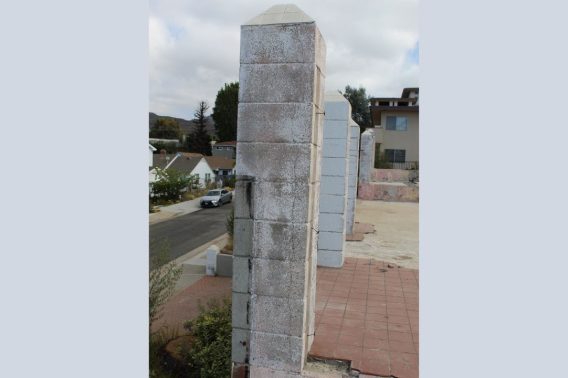
Where the assessor spots something that needs more than a visual read — a foundation crack, unusual settling, corrosion on structural steel — that’s typically flagged for a separate, more invasive Structural Condition Assessment rather than resolved on the spot.
The findings get compiled into a report within a few weeks of the site visit, with photographs documenting each flagged item and cost estimates for the Immediate Repair and Reserve categories.
Property Condition Assessment vs. Structural Condition Assessment
These two terms get used almost interchangeably by people outside the industry, and that mix-up causes real problems when a client orders the wrong scope of work.
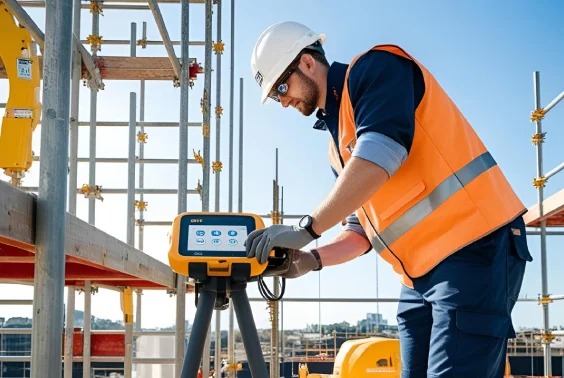
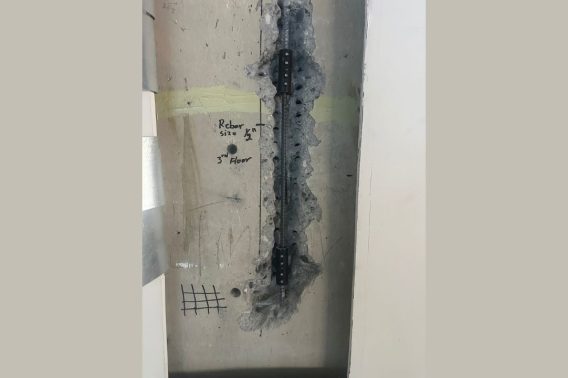
A Property Condition Assessment is broad and non-invasive — it covers every major system at a surface level to give a lender or buyer a general risk picture. A Structural Condition Assessment is narrow and often invasive — it focuses specifically on the building’s structural integrity, sometimes involving concrete coring, GPR scanning, or corrosion testing to determine what’s actually happening inside a wall, slab, or column rather than what’s visible on the surface.
In practice, a PCA is usually the first step. If it flags a structural concern, that’s when a firm brings in the more specialized structural evaluation — which is exactly why an engineering and testing provider offering both services under one roof, saves a client from re-scoping the work with a second vendor mid-transaction.
What a Skipped Assessment Actually Costs
The cost of a PCA is small relative to the property’s value, and it scales with square footage and building complexity, so any specific number here would be a guess — a firm should quote based on the actual property.
What isn’t a guess is the asymmetry of the risk: skipping the assessment doesn’t make the roof’s remaining life longer or the boiler younger. It just means those facts surface after the deal closes, when the buyer — not the seller — is holding the repair bill.
Conclusion
A Property Condition Assessment turns unknowns into a number and a timeline. For a lender, that number determines whether the loan is safe.
For a buyer, it determines whether the purchase price actually reflects what they’re buying. For an owner, it turns a decade of unpredictable capital emergencies into a reserve schedule that can be planned for.
If a transaction, refinance, or insurance renewal is on the calendar, the assessment belongs earlier in that timeline than most people schedule it — before the offer is final, not after.